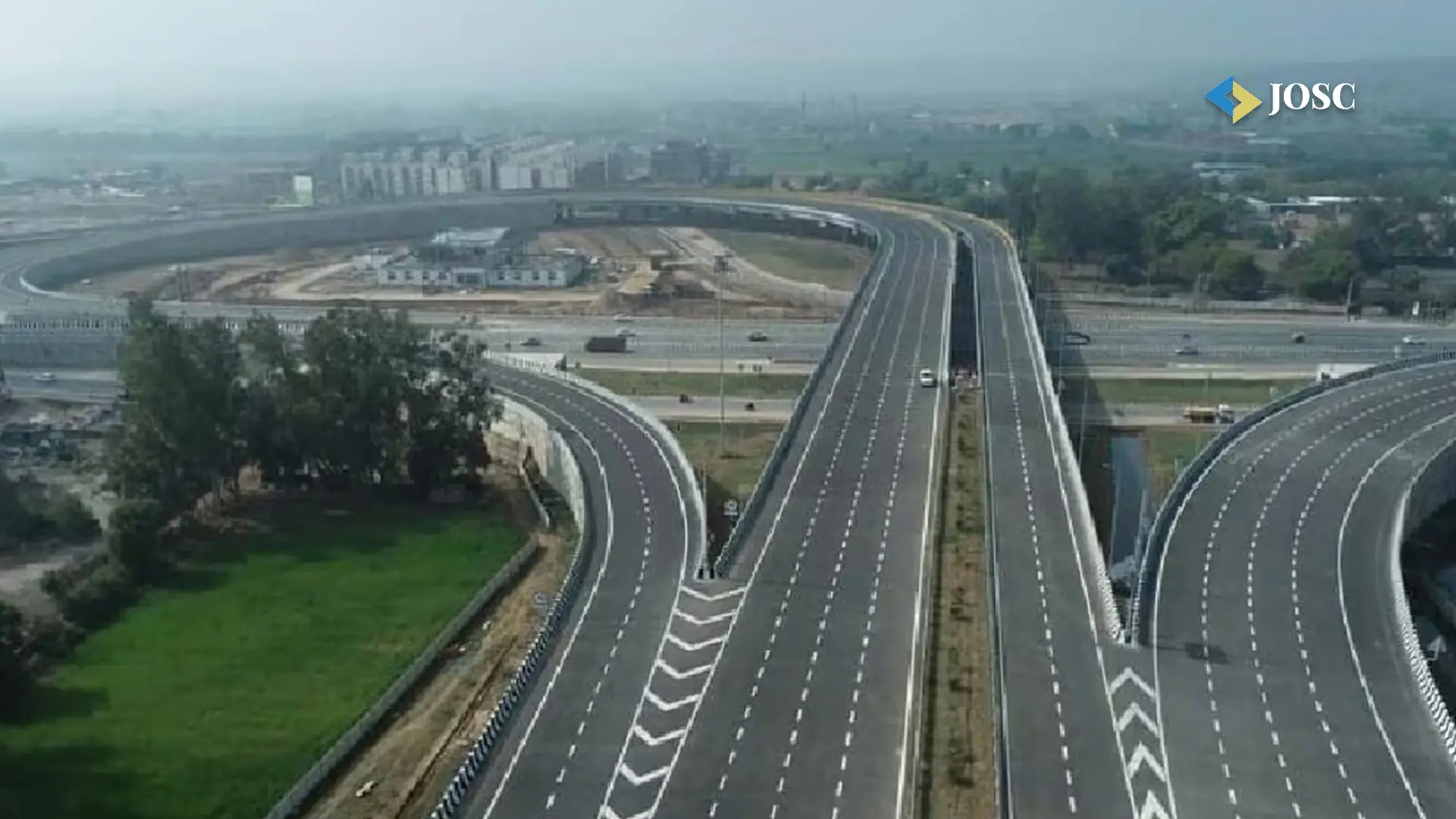
GNSS-based electronic toll collection will also help to plug leaks and catch toll evaders, leading to a more efficient toll collection system throughout the country. Nitin Gadkari, the Union Minister for Road Transport and Highways, has stated that NHAI's global navigation satellite system (GNSS)-based tolling system will play a critical role in modernizing toll collection systems, assuring seamless travel, and reducing road congestion. "GNSS technology improves navigation and positioning, which is critical for modernizing toll collection systems, ensuring seamless travel, and reducing road congestion. "We are constantly working to improve citizens' lives, making governance more transparent, and provide faster services," Gadkari said. What is GNSS technology?Global navigation satellite system (GNSS) based tolling is a barrier-free technique of electronic toll collection in which road users are charged based on the distance they travel on the tolled highway segment. The GNSS-based tolling system uses virtual toll booths to monitor vehicle entry and exit from tolled portions. These virtual gantries, strategically located along the tolled road network, connect with GNSS-enabled cars, thereby eliminating the need for physical gantries. The system collects important car information, such as the registration number, type, and bank account information. When a car passes through the virtual toll booth, the system automatically initiates tolling and deducts the necessary amount from the user's account. NHAI introduces new RFID devices at toll
The only supply chain registration you need
Unrivaled context behind every news and article for free.
 Anamika Mishra,
Sub Editor
Anamika Mishra,
Sub Editor