News
From Impulse Buying to Convenience Buying: Quick Commerce Expands Delivery Weight Limits
 Anamika Mishra,
Sub Editor
Anamika Mishra,
Sub Editor
Anamika Mishra,
Sub Editor
Anamika Mishra,
Sub Editor
As quick commerce platforms like Blinkit, Swiggy Instamart, Zepto, and Big Basket become increasingly popular for monthly grocery shopping, consumers are shifting from traditional retail to these rapid delivery services. This shift has prompted quick commerce companies to accommodate larger order sizes, extending delivery weight limits from the traditional 15 kg to 35 kg or more. This change caters to the rising demand for bulk purchases of fast-moving consumer goods (FMCG), particularly at the start of each month.
Urban consumers are embracing the convenience of scheduled deliveries and competitive discounts offered by quick commerce platforms. In response, major players such as Swiggy Instamart and Blinkit are leading the charge in increasing delivery capacities.
FMCG companies are keen to capitalize on this growing trend. For instance, Adani Wilmar, a leading edible oil and staples brand, is exploring the introduction of larger packaging, such as 20 kg bags and 5-litre bottles, specifically for quick commerce channels. This bulk packaging trend aligns with the evolving shopping habits of consumers, who are moving from impulse buying to convenience buying.
Quick commerce is rapidly becoming a critical sales channel for FMCG companies in large cities, where convenience and speed are highly valued. In some cases, quick commerce already accounts for 30-40% of total e-commerce sales for many FMCG brands. Tata Consumer Products recently reported that nearly 35% of its e-commerce sales now come from quick commerce platforms.
However, challenges remain. Quick commerce platforms face competition from traditional kirana stores and value-focused retail giants like DMart and Spar, particularly in offering value-focused staples. Traditional stores benefit from personalized commerce experiences and open stock-keeping units (SKUs), which are difficult to replicate in quick commerce.
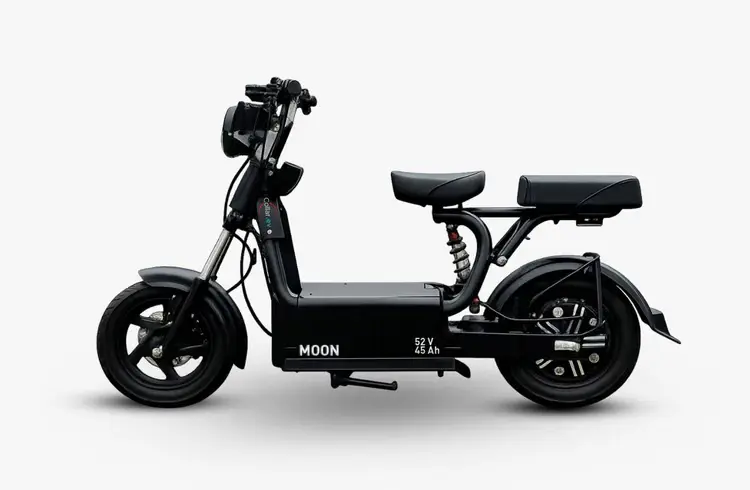
The expansion of delivery weight limits presents new challenges and opportunities for the supply chain and logistics sectors. Companies must invest in robust logistics networks capable of handling heavier loads while maintaining the speed and reliability consumers expect. Innovations like the Zomato Large Order Fleet could be explored for last-mile delivery of bulk orders.
As FMCG giants increasingly align with quick commerce platforms, the retail landscape is shifting towards agility, speed, and consumer-centric strategies. The impact of quick commerce on traditional retail channels and the broader supply chain will likely intensify, driving further innovation and competition in the industry.
Explore the latest edition of Journal of Supply Chain Magazine and be part of the JOSC News Bulletin.
Discover all our upcoming events and secure your tickets today.
Journal of Supply Chain is a Hansi Bakis Media brand.
Subscribe to our Daily Newsletter
Subscribe For FreeBy continuing you agree to our Privacy Policy & Terms & Conditions