News
Freight sector analysts fear container shipping chaos
 Anamika Mishra,
Sub Editor
Anamika Mishra,
Sub Editor
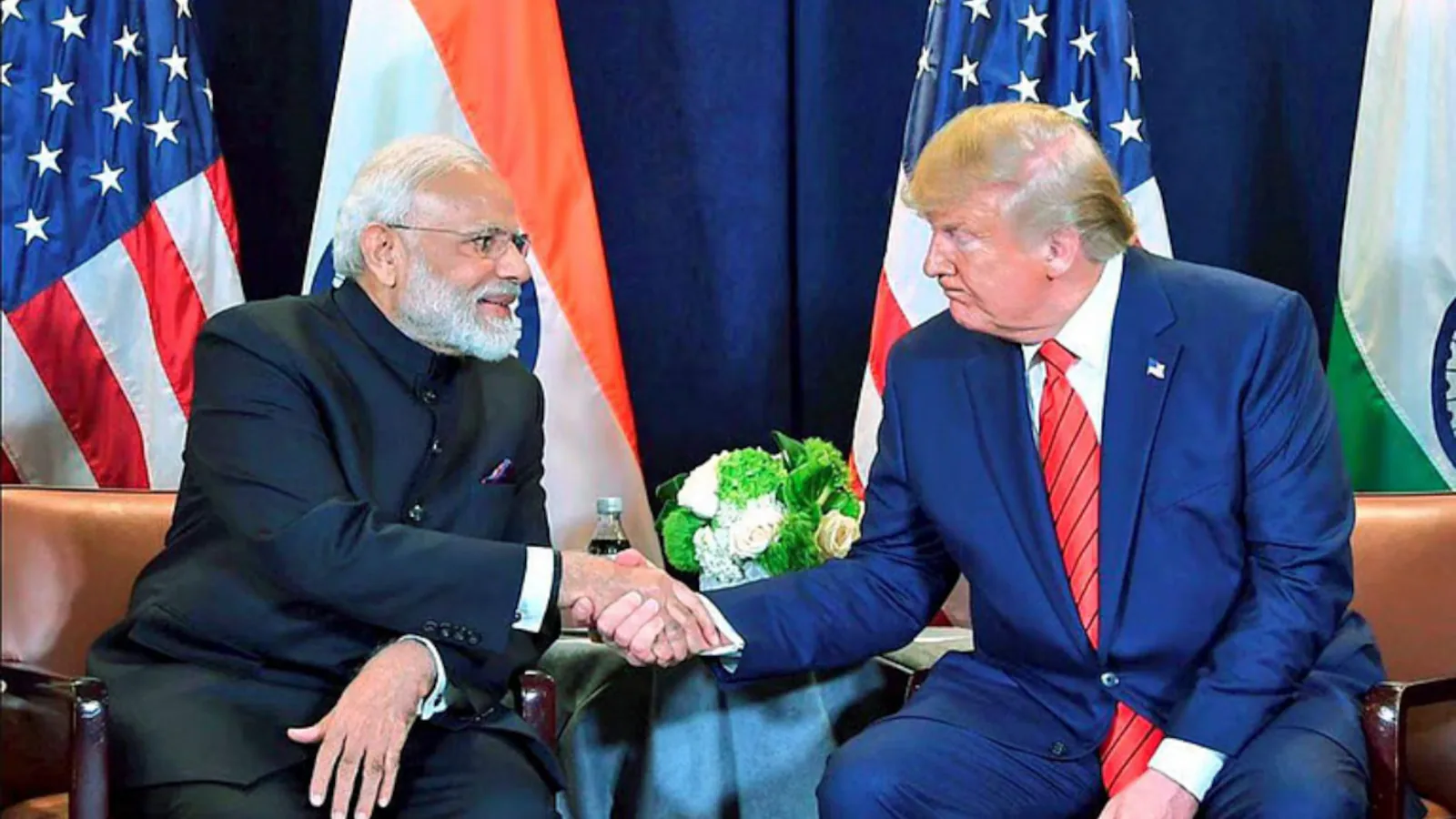
U.S. recyclers exporting secondary commodities are confronting new challenges amid escalating trade tensions and tariff policies under President Donald Trump. The imposition of a 145% tariff on Chinese imports has led to a significant decline in container bookings from China to the U.S., with reports indicating a drop of up to 60% . This downturn is affecting not only importers but also exporters of recyclable materials, who rely on the availability of containers and stable shipping routes.
The Port of Los Angeles, a major hub for trans-Pacific trade, has experienced a substantial decrease in container volumes, with expectations of a 10% drop in the second half of the year This decline is causing ripple effects throughout the logistics industry, including reduced trucking volumes and increased difficulty in securing shipping containers for exports.
Conference
Conference
In response to the shifting trade landscape, some exporters are turning to alternative markets. For instance, container shipments from Vietnam to the U.S. have seen an uptick, partly due to a temporary 90-day pause on reciprocal tariffs . However, this shift does not fully compensate for the loss of trade with China, and recyclers continue to face uncertainty in securing reliable export channels.
Industry experts warn that if current tariff policies persist, the U.S. recycling sector may encounter prolonged disruptions, including increased costs and logistical challenges. The situation underscores the interconnectedness of global trade and the far-reaching impacts of tariff decisions on various sectors of the economy.
Explore the latest edition of Journal of Supply Chain Magazine and be part of the JOSC News Bulletin.
Discover all our upcoming events and secure your tickets today.
Journal of Supply Chain is a Hansi Bakis Media brand.
Subscribe to our Daily Newsletter
Subscribe For FreeBy continuing you agree to our Privacy Policy & Terms & Conditions