News

Essar Green Mobility to Revolutionize Trucking Industry with 30,000 LNG and Electric Vehicles and Nationwide Fuel and Charging Hubs

January 29, 2026 4 min read
author Anamika Mishra, Sub Editor
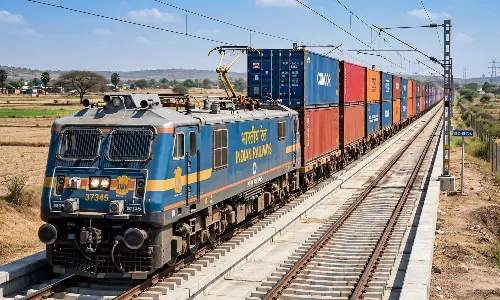
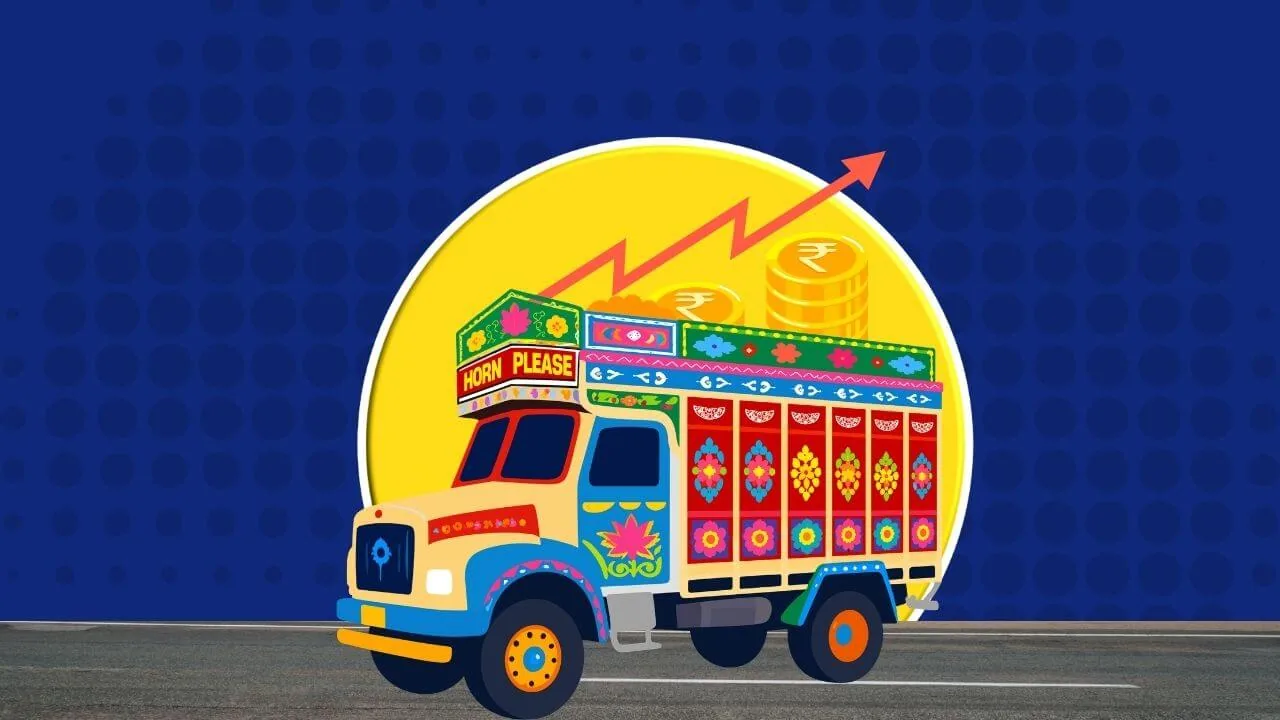
Essar Green Mobility is planning to deploy 30,000 LNG and electric trucks, supported by a network of 100 alternative fuel and charging hubs across India, as part of the country’s largest clean freight initiative, an official said.

The expansion is expected to cut around one million tonnes of CO2 annually from freight operations — a major contributor to transport emissions — marking a significant step toward decarbonising India’s logistics sector.

“The transition away from diesel will happen only when clean alternatives match the operational and economic realities of freight movement. That is the gap we are addressing,” said B C Tripathi, Operating Partner – Energy, Essar Group.

The initiative integrates vehicle manufacturing, fleet operations, and fuelling infrastructure to build a fully scaled clean freight ecosystem.

Essar said this end-to-end model will help overcome high upfront costs and infrastructure bottlenecks that have limited adoption of low-emission freight technologies in India’s carbon-intensive logistics sector.

Its green mobility platform combines Blue Energy Motors for truck production, GreenLine Mobility Solutions for fleet operations, and Ultra Gas & Energy to build the supporting fuel and charging network.

Essar added that the strategy ensures steady vehicle supply, fuel availability, and operational efficiencies — factors that have slowed broader adoption of clean freight solutions.

GreenLine currently operates over 800 LNG-powered trucks across key sectors including steel, cement, FMCG, and chemicals, according to the company.

These trucks have collectively logged more than 70 million kilometres and cut 19,756 tonnes of carbon emissions — equivalent to saving nearly 790,262 trees. Each 55-tonne truck can carry up to 40 tonnes of cargo and travel around 1,200 kilometres on a single tank.

The latest equity round, totalling USD 275 million, including a USD 20 million investment from Zerodha co-founder Nikhil Kamath, will accelerate deployment of over 10,000 new LNG and EV trucks and support the rollout of 100 LNG refuelling stations, EV charging points, and battery-swapping facilities.

On the rollout, Essar Director Anshuman Ruia said: “We are excited about this game-changing shift in India’s heavy trucking industry. We see it as an opportunity not only to build a green mobility ecosystem, but also to invest in clean energy for our electric trucks. This integrated approach will reduce emissions, cut energy imports, and help India move toward a sustainable, energy-secure future.”


The programme combines a dual-fuel strategy, using LNG-powered trucks for long-haul freight and electric trucks for short-haul and urban logistics, where electrification provides higher efficiency. Charging and battery-swapping infrastructure is integrated into fuel hubs to ensure higher utilisation and lower downtime for fleet operators.

The expansion aligns with government efforts to reduce emissions, improve logistics efficiency, and promote cleaner fuels.

However, analysts note that sustained policy support and long-term private investment will be critical for achieving large-scale adoption, helping India meet climate targets while supporting economic growth.

India’s freight sector, one of the most carbon-intensive in the economy, has struggled with clean technology adoption due to high upfront costs and inadequate infrastructure. Essar’s approach seeks to overcome these barriers through scale and operational integration.

By controlling the full value chain, Essar aims to maintain consistent vehicle supply, fuel availability, and operational efficiency, which have previously hindered wider adoption of low-emission freight solutions.

Essar is implementing a dual-fuel strategy: LNG-powered trucks for long-haul operations and electric trucks for short-haul and urban deliveries, where electrification offers higher efficiency. Electric trucks are supported by fast-charging and battery-swapping infrastructure integrated into UGEL’s multi-fuel hubs, enabling higher utilisation rates and lower downtime for fleet operators.

UGEL forms the backbone of Essar’s clean freight infrastructure. It currently operates six LNG refuelling hubs across industrial corridors in Bhilwara, Anand, Chakan, Pune, Jalna, Toranagallu, and Vallam, each servicing up to 600 trucks per month.

The company plans to expand to a nationwide network of 100 stations, covering around 85% of India’s long-haul freight routes. Expansion, backed by a Rs 900-crore investment, is underway across Gujarat, Tamil Nadu, Maharashtra, Rajasthan, Haryana, Punjab, Karnataka, Odisha, and Jharkhand, the company said.

This integrated approach positions Essar at the forefront of India’s freight decarbonisation, delivering clean mobility solutions at scale, officials said.

The initiative complements government efforts to reduce emissions, improve logistics efficiency, and promote cleaner fuels. Sustained policy support and long-term private investment, however, remain essential to scale adoption and help India meet climate targets without limiting economic growth.


Explore the latest edition of Journal of Supply Chain Magazine and be part of the JOSC News Bulletin.

Discover all our upcoming events and secure your tickets today.


Journal of Supply Chain is a Hansi Bakis Media brand.

Leave Comment

logo

Subscribe to Our Newsletter

The week’s best stories, handpicked by JOSC editors in your inbox every week.

Stay informed with exclusive content