DHL Global Forwarding freight specialist arm of DHL Group- has underlined the growing role of road freight in Southeast Asia as companies focus on establishing more robust supply chains. In a newly released white paper, Highway to the Future: Navigating the Road Freight Opportunities in Southeast Asia, the logistics giant details how road freight is increasingly playing an important role in the transport landscape of the region, either as a standalone solution or as part of multimodal strategies offering greater flexibility and agility.
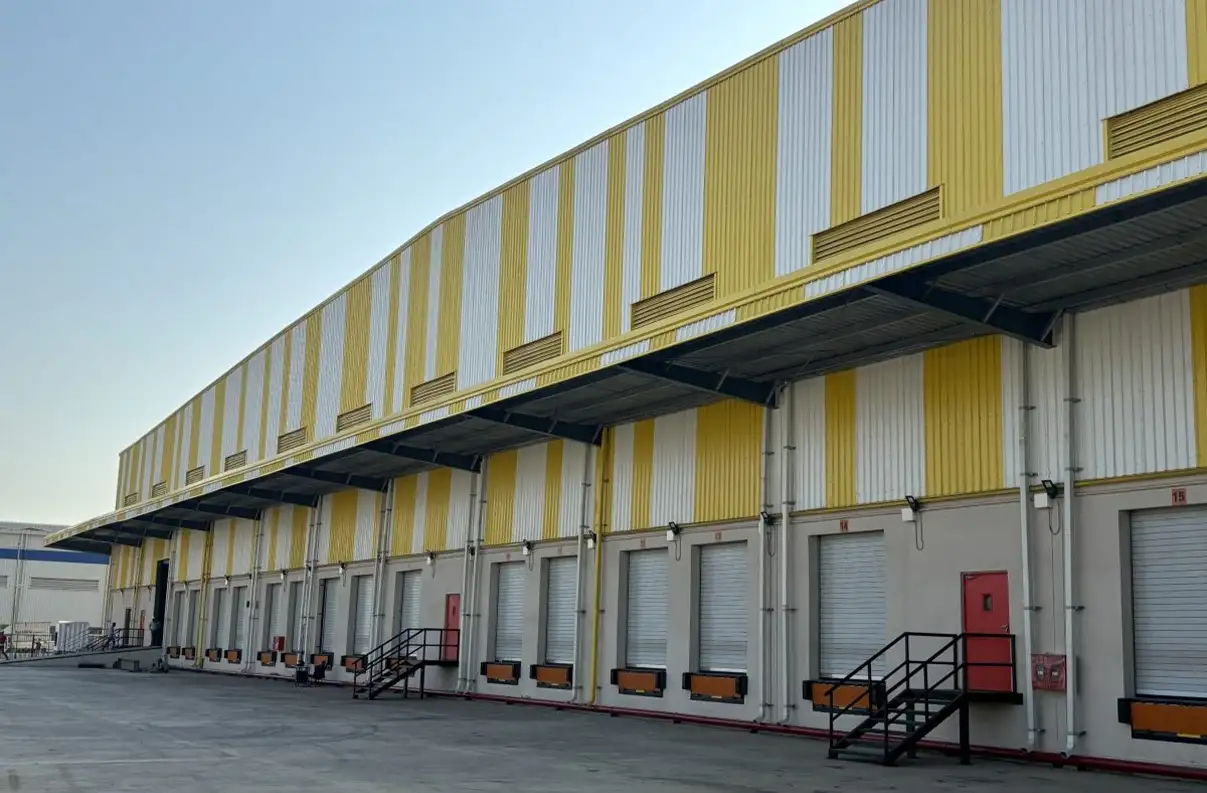
It says that Southeast Asia, especially Vietnam, Thailand, and Malaysia, export growth increases demand for a more efficient and flexible transport system. Vietnam has now become Southeast Asia's largest exporter. Malaysia has furthered its position as a leading semiconductor center, while Thailand has worked significantly in the electrification of vehicles. DHL just opened a new multimodal hub at Suvarnabhumi Airport Free Zone 3 in Thailand to further cement the country's role as a regional trade gateway—one that will allow goods to flow fluidly across multiple transport modes.
While global air and ocean freight steadies out, road freight remains an indispensable solution for diversification of supply chains for business-to-business customers while also enabling growing demands on speed and efficiency, as noted by Thomas Tieber, CEO of DHL Global Forwarding Southeast Asia and South Pacific.
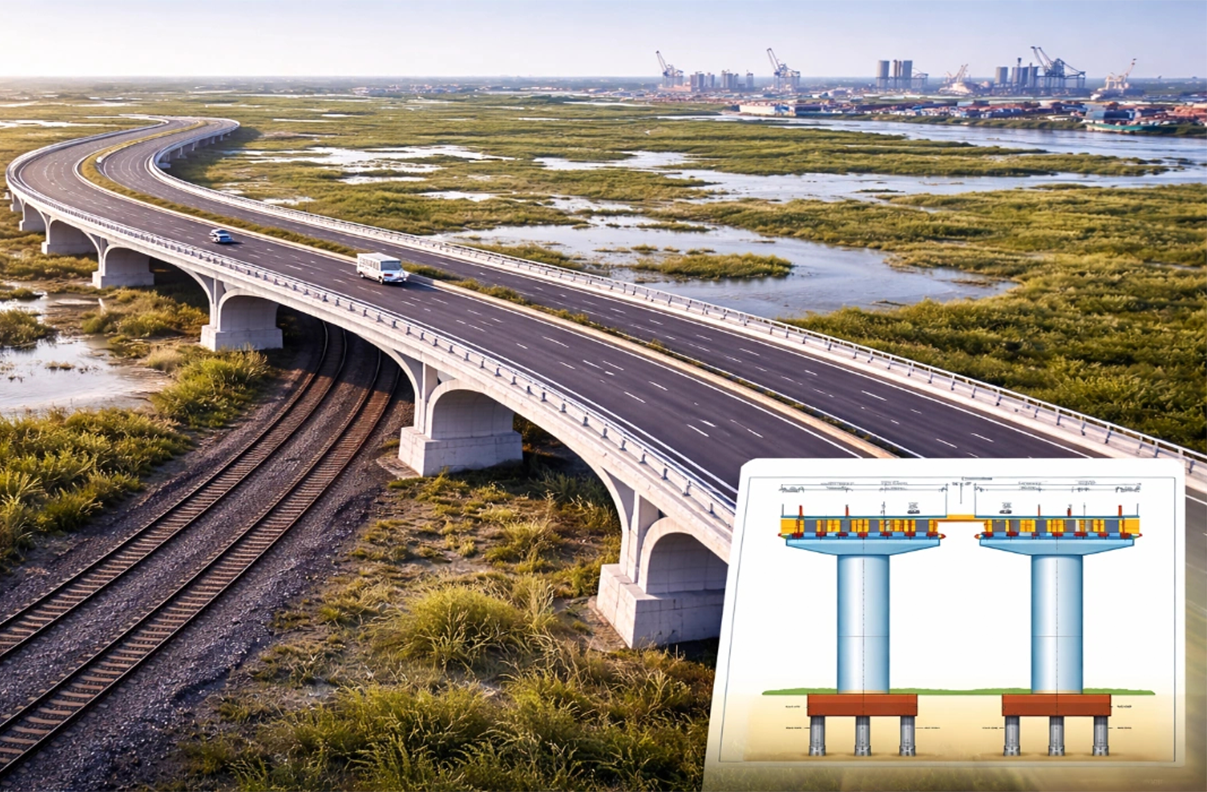
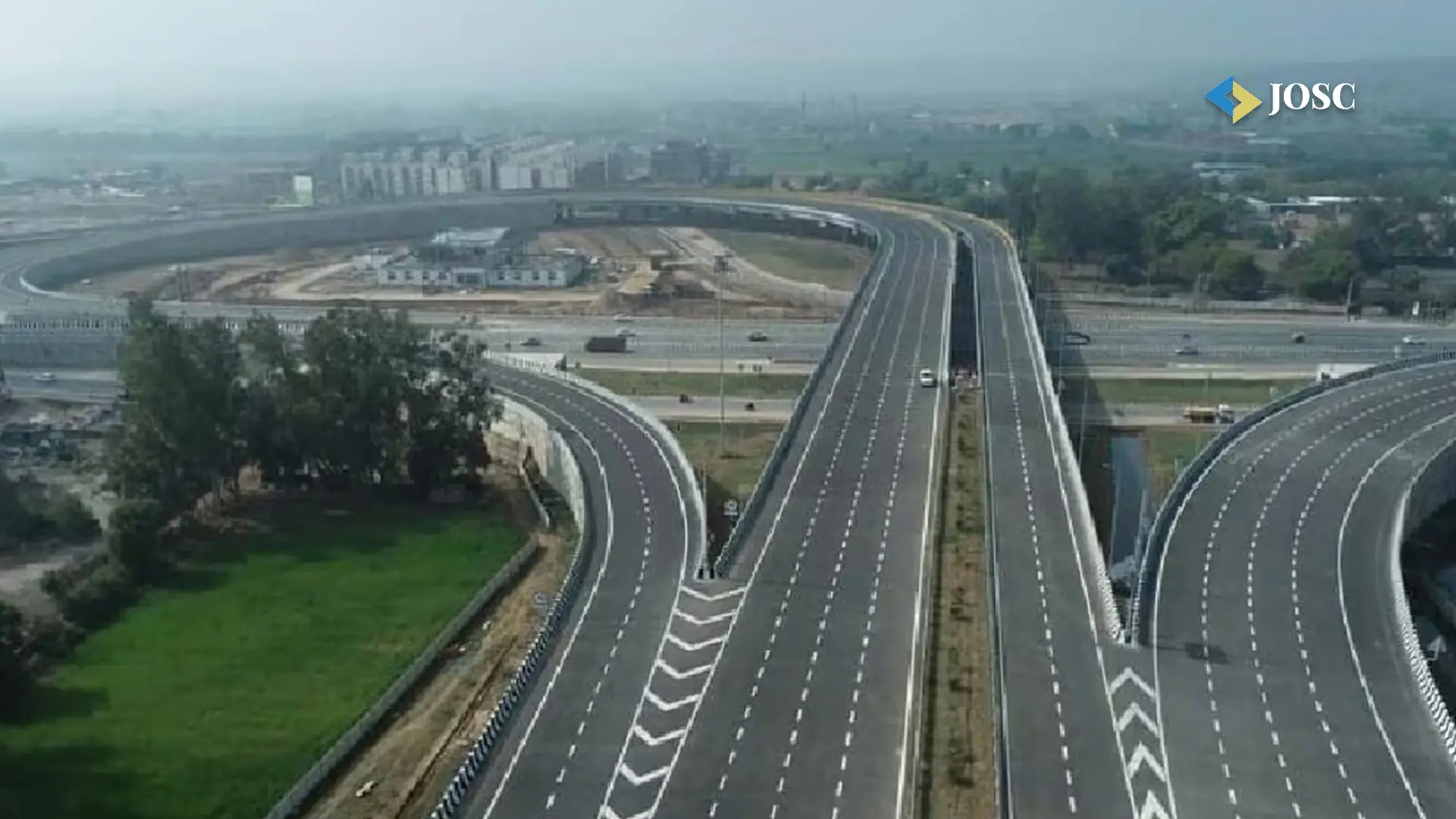
Indicative of this growth is the boost in road freight due to the building infrastructures across Southeast Asia and improved connectivity across road, rail, and digital networks. Already, advanced cellular networks have it that shipments are monitored in real time, keeping businesses abreast of where cargo is and when it will arrive. Add to those investments in transportation infrastructure—such as Laos' new railway linking Vientiane to Kunming in China, and the extension of DHL's multimodal hub in Thailand—are making road freight faster and cheaper, and often competitive with air freight.
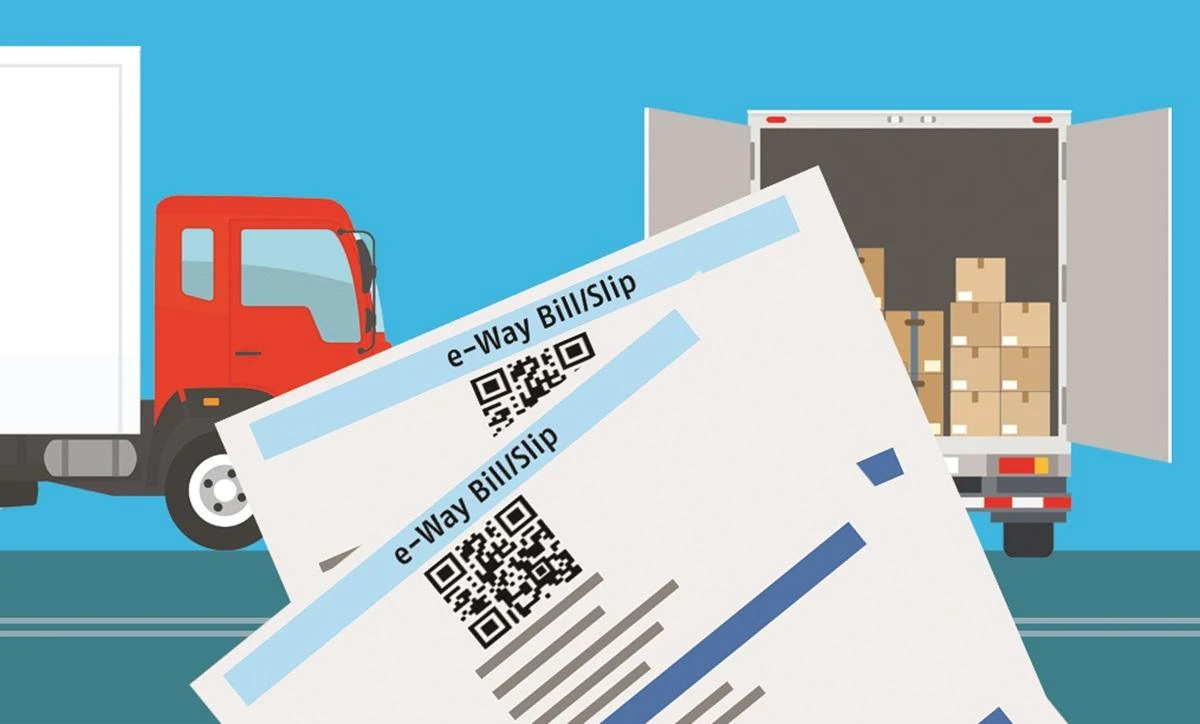
Government initiatives also are building on efforts to enhance the efficiency of cross-border freight in the region. Border procedures are streamlined, with less paperwork through the introduction of the ASEAN Customs Transit System (ACTS). Furthermore, the ASEAN Authorized Economic Operator Mutual Recognition Arrangement was adopted in 2023 to ensure clearance of cargo following agreed standards and provides priority treatment for registered companies. Cambodian and Vietnamese authorities have been meeting with other country counterparts to ease congestion at the country's major border checkpoints, which will further alleviate problems in cross-border logistics.
Sustainability is emerging as an area of significant attention in Southeast Asia's road freight sector. According to International Data Corporation, 45% of Asian-based organizations will operate integrated sustainability in supply chains by 2026. Freight transportation alone accounts for 8 percent of the world's greenhouse gas emissions; therefore, the sector is presently under immense pressure to reduce its contribution to the environment.
The ASEAN Regional Strategy for Sustainable Land Transport has developed a few green freight measures - these are logistics optimization, multimodal transport, and switching to greener trucks. DHL is already doing its share toward this, having brought in a fleet of electric vehicles in Bangkok that should help the company eliminate 85,000 kilograms of annual CO2 emissions. The firm is also looking into alternative fuels in the form of biofuels and hydrogen to better its environmental footprint.
Bruno Selmoni, VP and Head of Road Freight and Multimodal Solutions at DHL Global Forwarding Southeast Asia believes the shift to road freight sustainability is anything but easy, but it presents great opportunities, especially for electric vehicles and alternative fuel technologies. These sustainability objectives will only be realized in cooperation between logistics companies, vehicle manufacturers, and governments providing the appropriate infrastructure, policies, and commercial solutions.
In conclusion, DHL's report sees road freight as an important part of Southeast Asia's logistics infrastructure and one that will continue to back up growing export markets across the region, plus increasingly indemand flexible solutions with a focus on sustainability transport. Increasingly, businesses will need to have larger competencies to quickly respond to changing dynamics in the supply chain, and to ride off the often-complex mechanics of global trade.
For more information on the program, the white paper in full is downloadable at DHL.
Explore the latest edition of Journal of Supply Chain Magazine and be part of the JOSC News Bulletin.
Discover all our upcoming events and secure your tickets today.
Journal of Supply Chain is a Hansi Bakis Media brand.
Subscribe to our Daily Newsletter
Subscribe For FreeBy continuing you agree to our Privacy Policy & Terms & Conditions