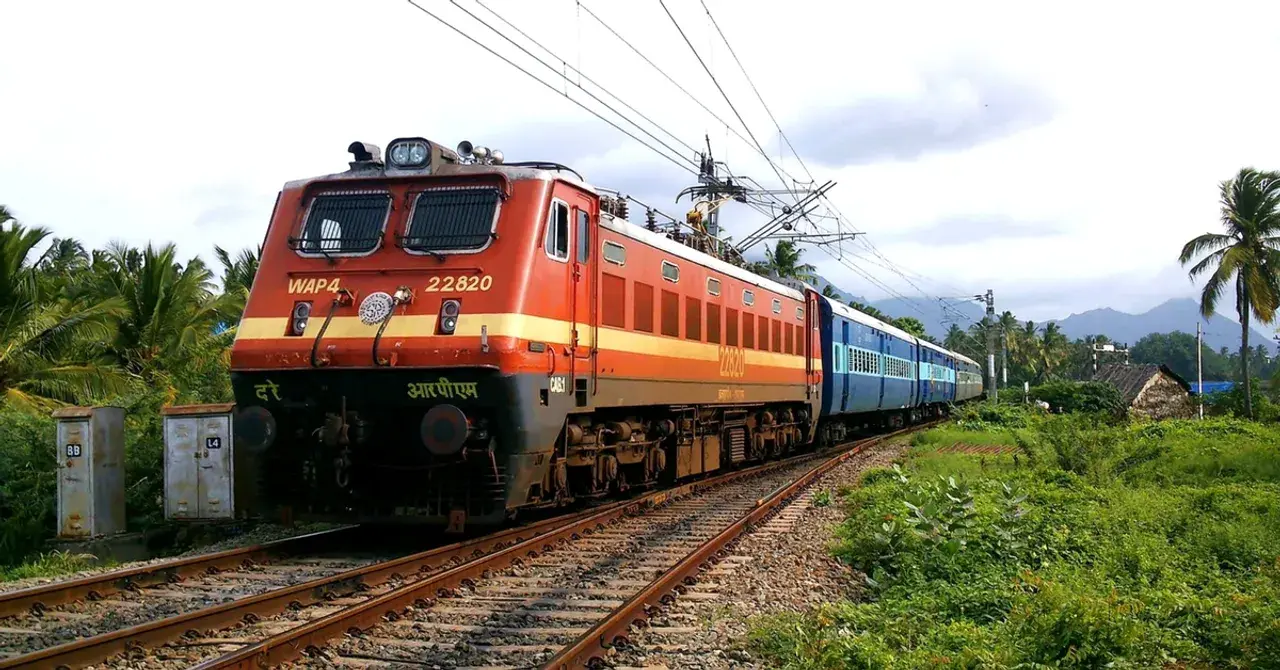
The Managing Director of DFCCIL, Ravindra Kumar Jain, has declared that the Railway Board has received the detailed project reports (DPRs) for the newly established freight corridors. Among the suggested corridors are: 1. The East Coast Freight Corridor connecting Vijayawada, Andhra Pradesh, and Kharagpur, West Bengal2. The Kharagpur to Palghar (Maharashtra) East-West Corridor3. Vijayawada to Itarsi, the North-South Freight Corridor (Madhya Pradesh) These projects, which span a combined 4,300 kilometers, are anticipated to cost over Rs 2,00,000 crore. These corridors will serve particular commodities and pass through important national areas. The World Bank and the Japan International Cooperation Agency (JICA), two significant international organizations, have expressed interest in supporting these initiatives. Even when the railroads have enough money for infrastructure, it is still possible to get more help from these organizations. Jain emphasized the development of the existing Dedicated Freight Corridor (DFC), which stands at 96.4% completion. This 2,843-kilometer corridor connects the Eastern and Western arms, passing through 56 districts and seven states. Over the previous year, traffic has increased by 60%. Jain stated that, considering feeder routes to different ports, 93.2% of the Western Dedicated Freight Corridor (WDFC) is complete in an interview with Businessline. With half of this leg completed, there are still about 100 km to go. Contracts have been awarded to assure timely completion, and the full line is anticipated to be operational by December 2025. Presently, the DFC
The only supply chain registration you need
Unrivaled context behind every news and article for free.
 Anamika Mishra,
Sub Editor
Anamika Mishra,
Sub Editor