News
Delhi-NCR Leads India’s Logistics Markets with 3% YoY Rental Growth in H1 2024
 Anamika Mishra,
Sub Editor
Anamika Mishra,
Sub Editor
Anamika Mishra,
Sub Editor
Anamika Mishra,
Sub Editor
Knight Frank's latest Asia-Pacific (APAC) Logistics report reveals that the APAC logistics market saw 2.4% year-over-year (YoY) rental growth in H1 2024, a notable slowdown from the 6.2% growth witnessed in H1 2023. Despite the regional deceleration, Delhi-NCR outperformed with a 3.0% YoY rental increase, leading India's logistics markets, while Mumbai and Bengaluru reported rental growth slightly below the regional average at 2.3%.
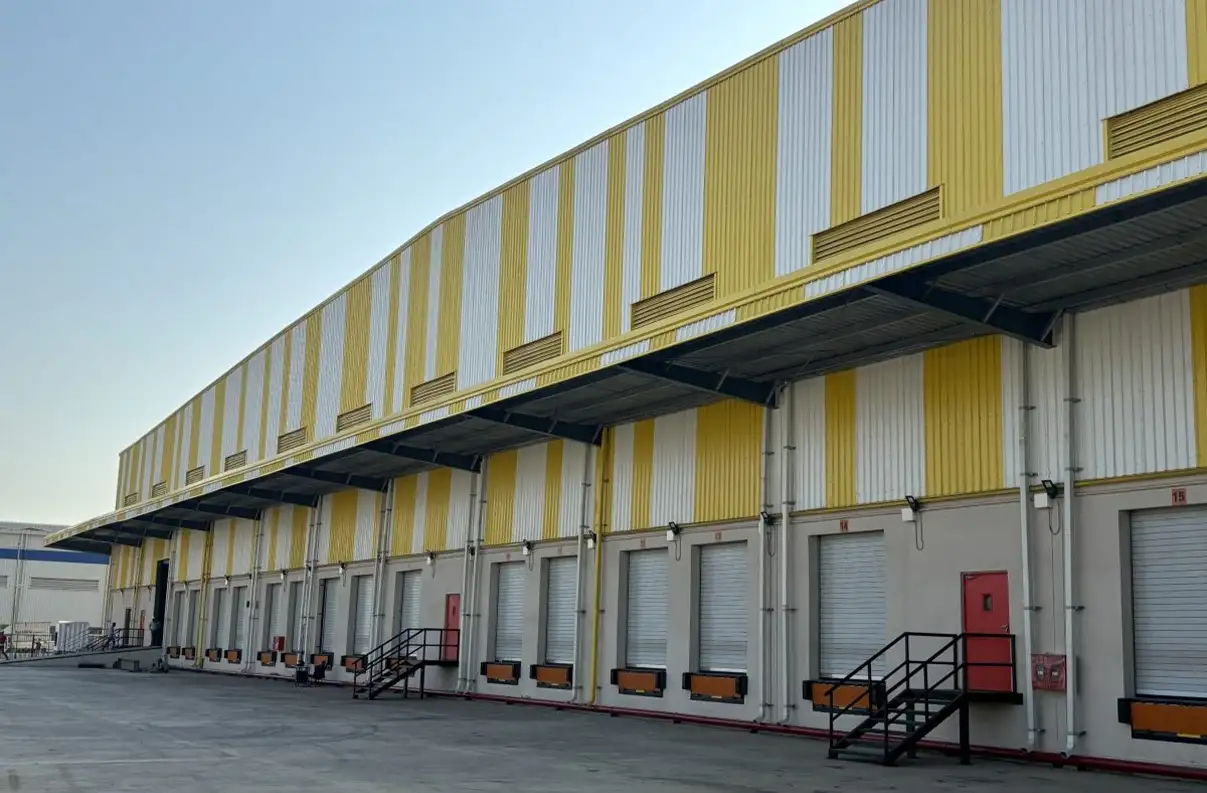
The Indian logistics sector continues to display stability, driven by sustained demand for warehousing and logistics spaces. Since the pandemic, India's warehousing market has seen substantial rental growth, with occupier demand peaking in FY 2023. Although there has been a slight tapering off in occupier activity, Delhi-NCR, Mumbai, and Bengaluru maintained rental levels comparable to those at the end of H1 2023. However, high vacancy rates in Delhi-NCR (15.7%) and Bengaluru (21.1%), largely due to speculative development, may limit future rental growth. Even so, strong demand from the manufacturing and 3PL sectors, along with high development costs, is expected to keep rent levels steady through the rest of 2024.
In the broader APAC region, rental growth was uneven, with 13 out of 17 cities reporting increases in H1 2024. Challenges in Mainland China, particularly in Beijing and Shanghai, where rents dropped by 13.5% due to declining business activity, significantly dampened overall growth. In contrast, Singapore saw logistics rents surge by 6.7% over six months and 10.8% YoY, buoyed by strong manufacturing performance.
Within India, warehouse transactions across eight major markets totaled 23 million square feet in H1 2024, with 55% involving Grade A spaces. Mumbai led the market, accounting for 20% of the total warehousing volume, driven primarily by the 3PL sector, while Delhi-NCR followed with 17% of the total transacted area, bolstered by contributions from both the 3PL and manufacturing sectors.
Notably, in H1 2024, the manufacturing sector outpaced the traditionally dominant 3PL sector in terms of transaction volume. Manufacturing companies, particularly those in the automotive, energy, and chemicals industries, accounted for 36% of the total transaction volume during this period.
Explore the latest edition of Journal of Supply Chain Magazine and be part of the JOSC News Bulletin.
Discover all our upcoming events and secure your tickets today.
Journal of Supply Chain is a Hansi Bakis Media brand.
Subscribe to our Daily Newsletter
Subscribe For FreeBy continuing you agree to our Privacy Policy & Terms & Conditions