News
China opens huge port in Peru to extend its reach in Latin America
 Anamika Mishra,
Sub Editor
Anamika Mishra,
Sub Editor
Anamika Mishra,
Sub Editor
Anamika Mishra,
Sub Editor
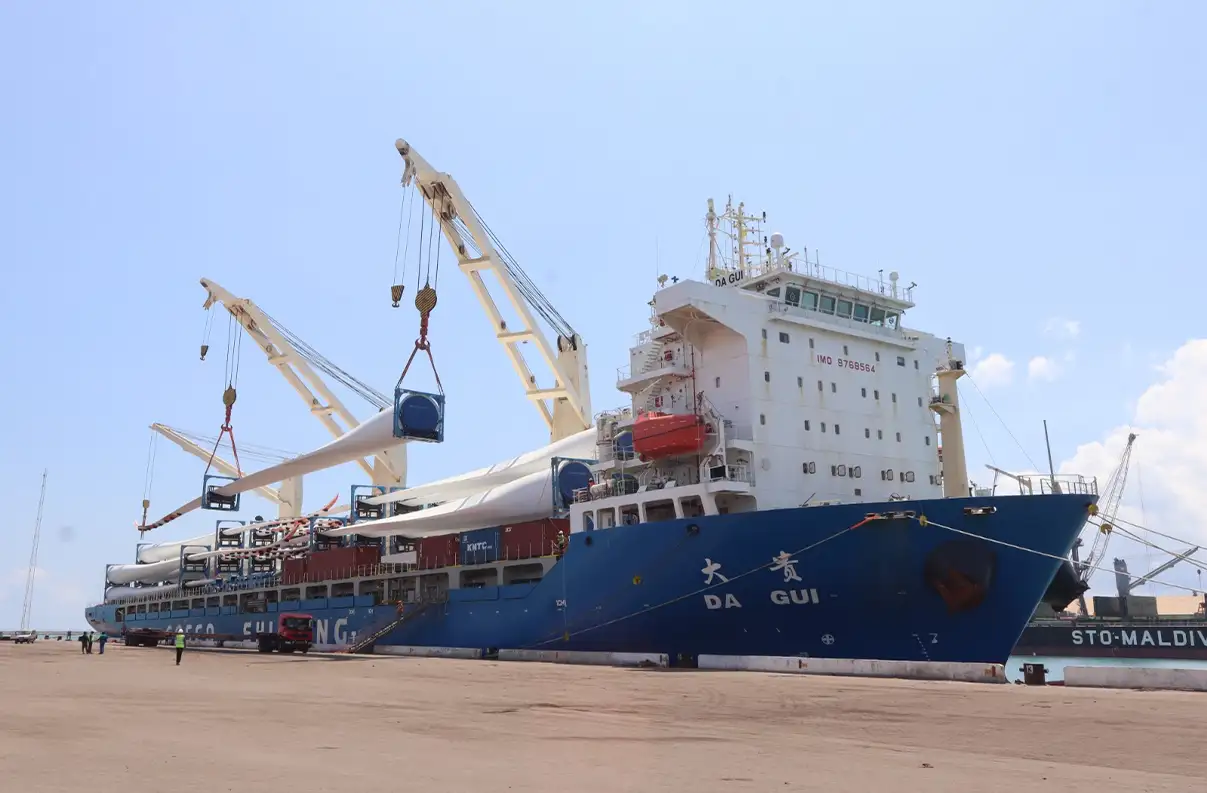
China has opened a massive new port in Peru, significantly expanding its economic influence in Latin America. The Chancay port, located in a remote coastal town that faces severe infrastructure challenges, is a $1.3 billion project primarily funded by the Chinese shipping giant Cosco. What was once a small fishing village, where a third of residents lack running water, is now being transformed into a key link in the global trade network, driven by China’s growing demand for resources from South America.
The inauguration ceremony, held late last week, was attended by Peruvian President Dina Boluarte and Chinese President Xi Jinping, who watched via livestream. Xi hailed the port as a major boost for Peru, promising it would create substantial economic benefits, including jobs and revenue for the region. "Considerable income and enormous job opportunities will be generated for Peru," Xi said, adding that it would yield "tangible results for the region's people."
The port is set to become a critical hub for global trade, with plans for 15 docking stations and an industrial park. Over the next decade, it is expected to attract more than $3.5 billion in investment. The port will facilitate faster transport of exports like Peru's blueberries, Chile's copper, and Brazil's soybeans, helping to strengthen trade ties between South America and Asia.
However, the development has faced resistance from residents, particularly the fishermen of Chancay. Many locals argue that the port has already had a detrimental impact on their livelihoods. The construction of the port involved dredging the seabed to create a deeper shipping channel, which locals claim has destroyed critical fish breeding grounds. As a result, many fishermen say they now have to travel farther out to sea to find fish, leading to higher costs and smaller catches.
Fisherman Julius Caesar, a 78-year-old local, voiced his frustration: "Our fishing spots no longer exist. They destroyed them." He expressed resentment toward the government for allowing the project to proceed without considering the community's needs. Others, like 28-year-old fisherman Rafael Ávila, share similar concerns, with Ávila noting that he now requires a larger, more expensive boat just to reach the same fishing grounds.
While the Peruvian government remains optimistic about the port’s long-term economic potential, many in Chancay remain skeptical, with some questioning whether the promised benefits will truly trickle down to the local population. Despite the promises of prosperity, local resentment continues to grow as residents watch the changes unfold in their once-quiet coastal town.
Explore the latest edition of Journal of Supply Chain Magazine and be part of the JOSC News Bulletin.
Discover all our upcoming events and secure your tickets today.
Journal of Supply Chain is a Hansi Bakis Media brand.
Subscribe to our Daily Newsletter
Subscribe For FreeBy continuing you agree to our Privacy Policy & Terms & Conditions