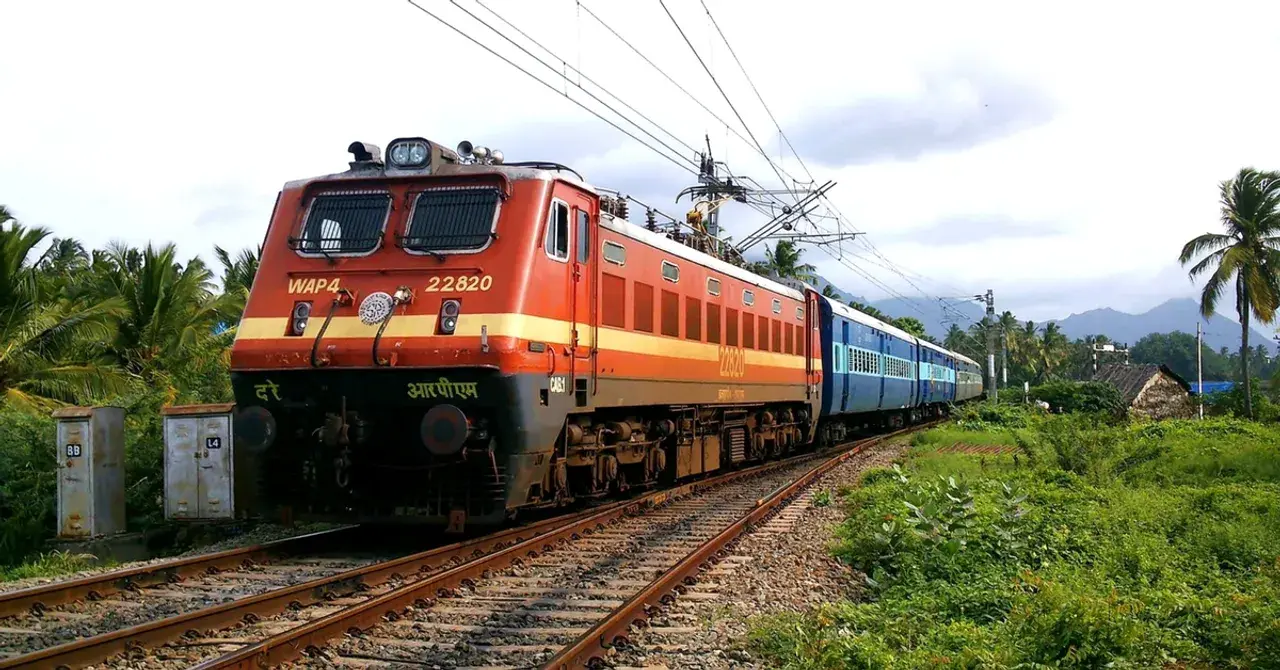
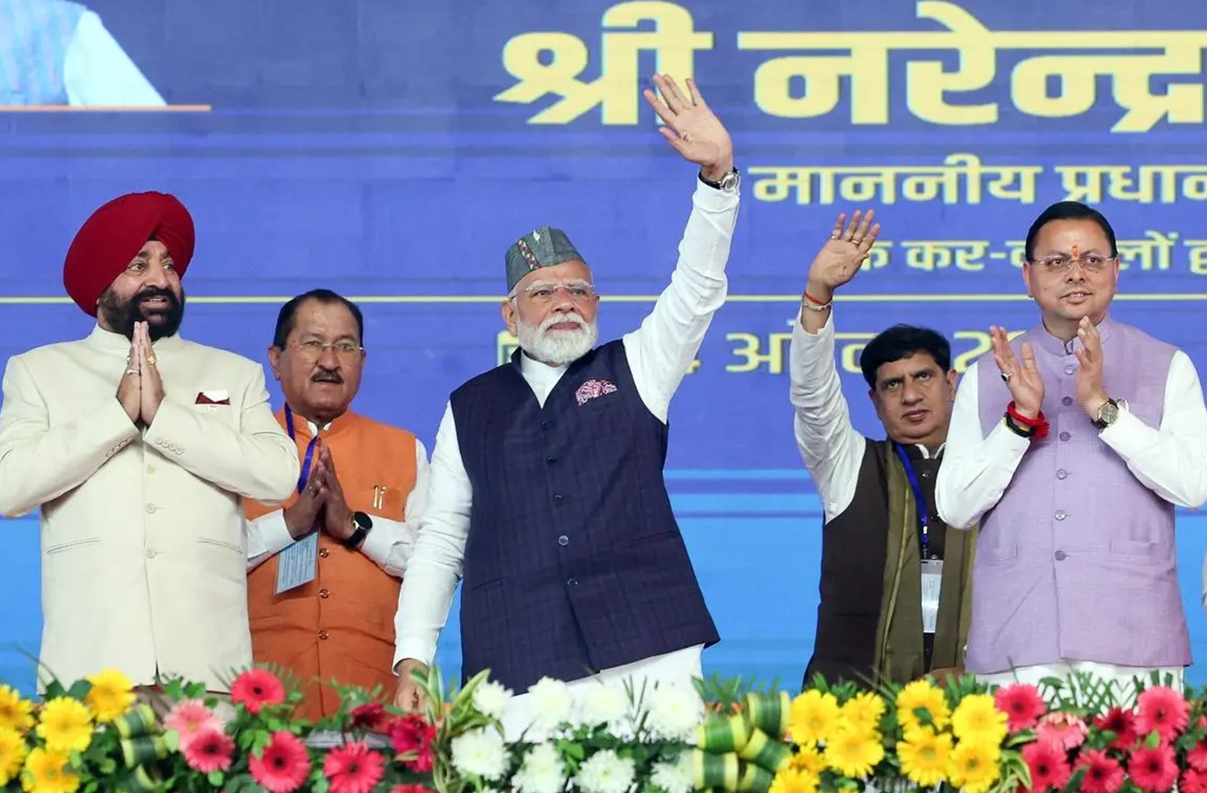
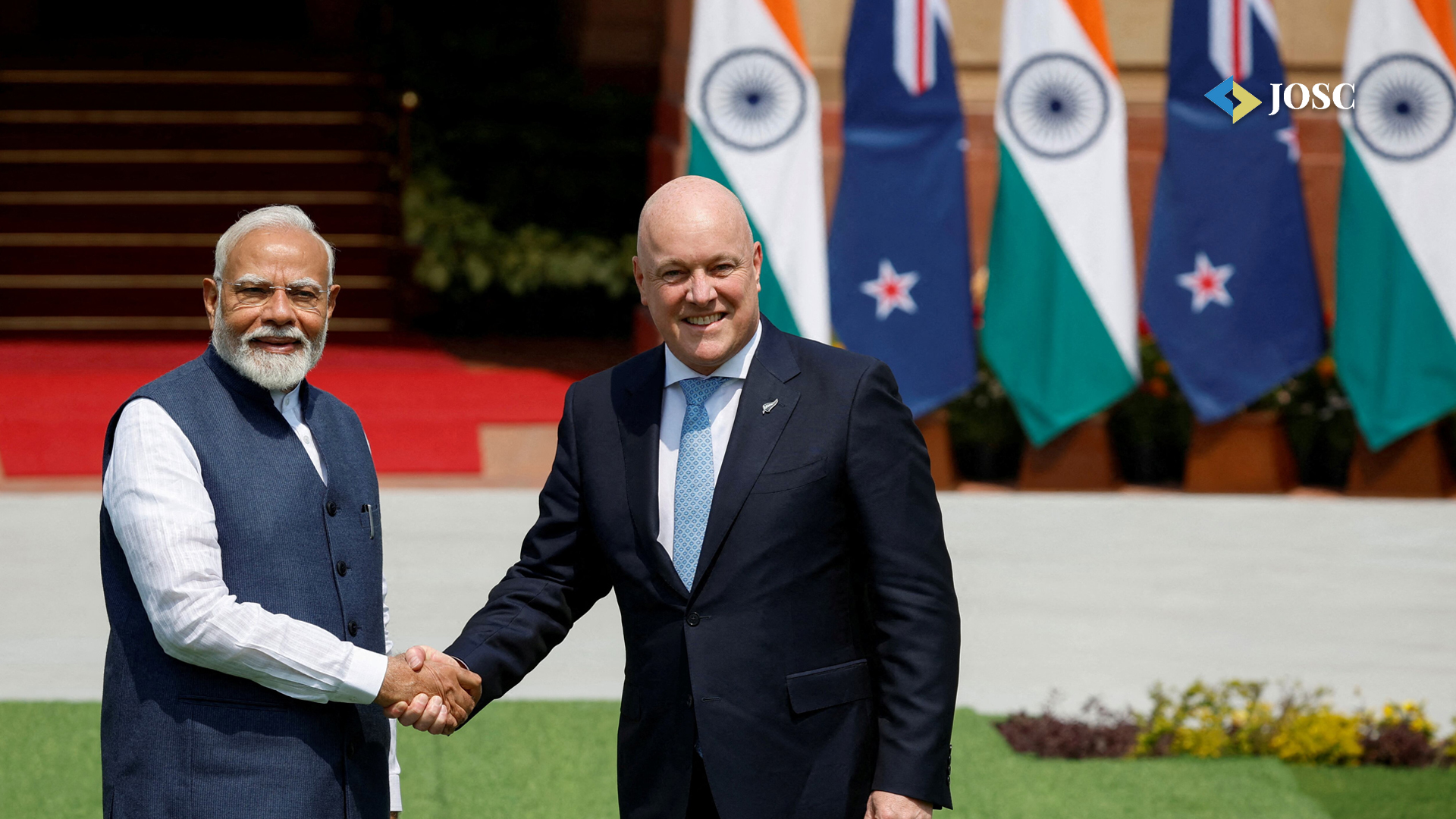
The Cabinet Committee on Economic Affairs (CCEA), led by Prime Minister Narendra Modi, has approved three significant railway projects proposed by the Ministry of Railways, with a total estimated investment of Rs 6,456 crore. These projects are set to significantly improve logistical efficiency, connect previously unconnected regions, and expand the existing rail line capacity, thereby strengthening transportation networks and boosting economic growth. Union Minister for Railways, Ashwini Vaishnaw, addressed a press conference, emphasizing that the newly approved rail lines will offer direct connectivity and enhanced mobility, thus increasing the operational efficiency and reliability of Indian Railways. The multi-tracking initiatives are expected to ease operations and reduce congestion on some of the busiest railway sections, contributing to much-needed infrastructural advancements. Vaishnaw highlighted that these projects align with Prime Minister Modi’s vision of a self-reliant India ("Atmanirbhar Bharat"), promoting comprehensive regional development and creating new employment and self-employment opportunities. The projects are part of the PM-Gati Shakti National Master Plan for multi-modal connectivity, which aims to achieve seamless integration for the
The only supply chain registration you need
Unrivaled context behind every news and article for free.
 Anamika Mishra,
Sub Editor
Anamika Mishra,
Sub Editor