News

Budget 2026 Signals Export-Led Push as India Moves Deeper into Global Supply Chains

February 02, 2026 3 min read
author Anamika Mishra, Sub Editor
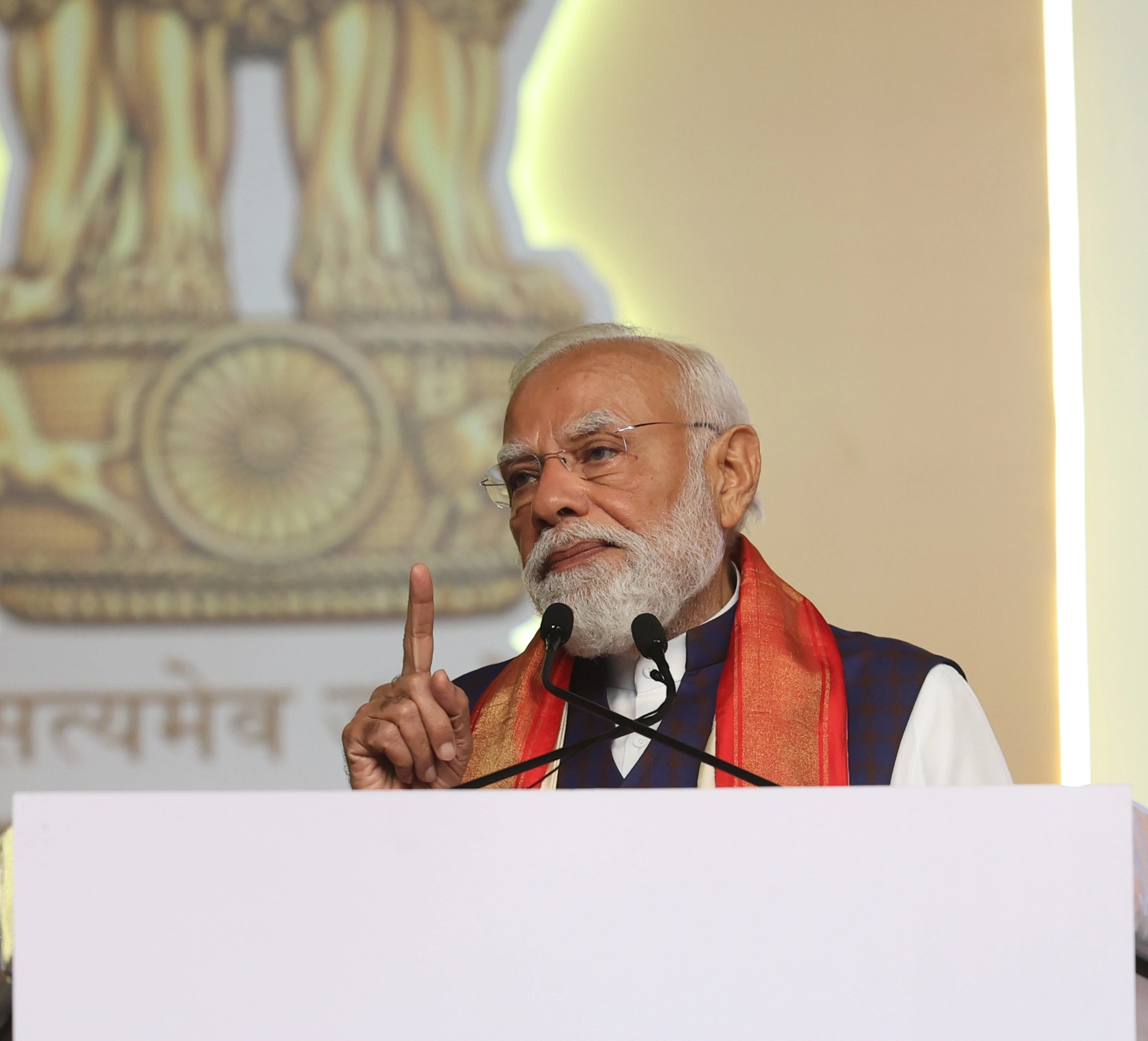
Finance Minister Nirmala Sitharaman’s ninth Union Budget lays out a clear intent to integrate India more firmly into global supply chains, with exports projected as the fourth growth engine of the economy. Building on last year’s reforms, which reduced basic customs duty slabs to eight by merging multiple rates, the government has continued its effort to simplify the tariff structure. Earlier, several products attracted multiple levies such as cess, the social welfare surcharge (SWS) and the agriculture infrastructure and development cess (AIDC). In the current Budget, each item carries only one cess or surcharge, with the social welfare surcharge removed from 82 tariff lines.

The Budget also provides zero import duty on a wide range of critical inputs, including key minerals such as lithium, cobalt, lead and zinc, particularly for electric vehicle and mobile battery manufacturing. Duty-free imports have been extended to shipbuilding inputs, textile machinery, electronic components, PCBA input parts, camera modules, connectors, and raw materials used in manufacturing wired headsets, microphones and receivers, USB cables, fingerprint readers or sensors for mobile phones. The exemption list also includes specified inputs and parts such as chip-on-film, PCBA and glass board substrate cells used in manufacturing open cells for LED and LCD TV panels, ground installations for satellites along with spares and consumables, goods used in building and launching satellites, wet blue leather, shuttleless rapier looms, shuttleless air jet looms, and 17 essential drugs and medicines. Import duties have also been significantly reduced on major items including aquafarming and marine exports, chemicals used in food and beverages, precious metals, select IT and electronic parts, motorcycle engines and more. Additional relief measures include extending the time limit for duty-free inputs from six months to one year, with a further three-month extension if needed. More inputs have also been added to the duty-free list to support handicraft exporters.


The Union Government is also advancing Bharat Trade Net, a unified digital platform for international trade that aims to bring logistics, financing and compliance onto a single interface. The Budget places strong emphasis on export credit, cross-border factoring and enabling MSMEs to address non-tariff barriers in overseas markets. Targeted support has been outlined for sectors with strong potential for global supply chain integration, including IT, electronics and textiles. An export promotion mission, jointly led by the MSME, Commerce and Finance ministries, has been announced to improve access to credit and assist Indian MSMEs in navigating international markets. To reduce uncertainty for traders, the Budget has introduced a two-year time limit, extendable by one year, for finalising provisional customs assessments. Together, these measures underscore a renewed focus on easing compliance while strengthening institutional credit and logistics support for Indian traders operating in an increasingly volatile global environment.


Explore the latest edition of Journal of Supply Chain Magazine and be part of the JOSC News Bulletin.

Discover all our upcoming events and secure your tickets today.


Journal of Supply Chain is a Hansi Bakis Media brand.

Leave Comment

logo

Subscribe to Our Newsletter

The week’s best stories, handpicked by JOSC editors in your inbox every week.

Stay informed with exclusive content