Bangladesh has introduced emergency measures to deal with a growing energy crisis linked to the ongoing conflict in the Middle East. The government has ordered the closure of universities and placed limits on fuel sales as authorities attempt to reduce electricity use and control fuel demand.
Officials say the steps are necessary because Bangladesh depends heavily on imported energy, and the war involving Iran and Israel has disrupted global fuel supplies. Rising oil and gas prices have created uncertainty in energy markets, forcing governments in import-dependent countries to prepare for possible shortages.
By shutting universities and encouraging citizens to reduce fuel consumption, authorities hope to ease pressure on the national power system and maintain stability until global energy supplies improve.
Bangladesh is currently facing a serious power challenge as global energy disruptions begin to affect the country’s fuel supply. Electricity demand continues to grow, but shortages of gas and other energy resources are putting pressure on power generation.
The government has already taken steps to conserve electricity and reduce fuel consumption across several sectors. Officials believe that temporary closures and energy-saving measures could help prevent widespread outages.
Energy experts say the country’s reliance on imported fuel makes it vulnerable whenever global markets face sudden disruptions or price increases.
The main reason behind the power crisis is Bangladesh’s heavy dependence on imported energy. The country imports nearly 95 per cent of its fuel needs, including oil, liquefied natural gas (LNG), and coal.
When international supply chains face disruption or prices rise sharply, Bangladesh must pay more for fuel imports. This can strain government budgets and limit the amount of fuel available for power plants.
At the same time, electricity demand has increased due to population growth, industrial expansion, and urban development. These factors have created a situation where the energy supply struggles to keep up with rising consumption.
The ongoing conflict in the Middle East has created instability in global energy markets. The region plays a major role in oil and gas production, and any disruption can quickly affect international fuel supplies.
As tensions escalated, energy prices surged and supply routes faced uncertainty. Countries that rely heavily on imported energy, such as Bangladesh, began preparing for possible shortages.
The war has also raised concerns about disruptions to major shipping routes used for transporting oil and gas. Higher fuel costs and delayed shipments have added pressure on Bangladesh’s energy sector.
To reduce electricity consumption during the energy crisis, the government has ordered several temporary closures across the country.
All public and private universities across Bangladesh have been shut temporarily. Authorities advanced the Eid al-Fitr holidays to reduce electricity usage on campuses. Universities consume large amounts of electricity due to student dormitories, laboratories, classrooms, and air-conditioning systems.
Foreign-curriculum schools have also been asked to suspend operations, while private coaching centres have been directed to remain closed during this period. These steps form part of a broader national energy-saving campaign aimed at reducing pressure on the power grid.
While several institutions have been closed, essential services across the country continue to operate normally. Government offices remain functional, hospitals and healthcare services are fully operational, and public transportation systems are still running across major cities.
Businesses and commercial establishments also remain open. Primary and secondary schools were already closed earlier due to the Ramadan holidays, meaning the latest directive mainly affects universities.
Authorities have advised citizens to limit unnecessary travel and use electricity responsibly to conserve energy.
Bangladesh’s electricity demand has increased significantly over the past decade as the economy expanded and urban populations grew. Industries, businesses, and residential areas all require large amounts of power to operate.
Power consumption typically rises during warmer months when air-conditioning and cooling systems run continuously. This increase in demand makes the power system more vulnerable when fuel supplies become limited.
By introducing temporary energy-saving measures, officials aim to keep electricity demand within manageable limits.
Most schools in Bangladesh are currently closed due to the Ramadan holiday schedule. However, the government’s recent directive has extended closures to universities and other higher-education institutions as part of a broader effort to manage electricity usage.
Authorities have not announced a fixed date for reopening universities. Officials say institutions will remain closed at least until the Eid holidays end, after which the government will review the energy situation before deciding whether academic activities can resume normally.
Bangladesh relies heavily on imported energy to meet its electricity needs. The country imports fuel and power from several international sources to support growing demand.
Oil and liquefied natural gas are mainly imported from Middle Eastern suppliers and other global markets. Bangladesh also imports electricity from India through cross-border power transmission lines to support domestic demand.
These imports help sustain industries, businesses, and households that depend on a stable electricity supply. The country’s economy, particularly its garment export industry, relies heavily on reliable electricity for manufacturing and production.
Because Bangladesh imports nearly 95 per cent of its energy needs, global conflicts or fuel price increases can quickly affect the country’s power sector.
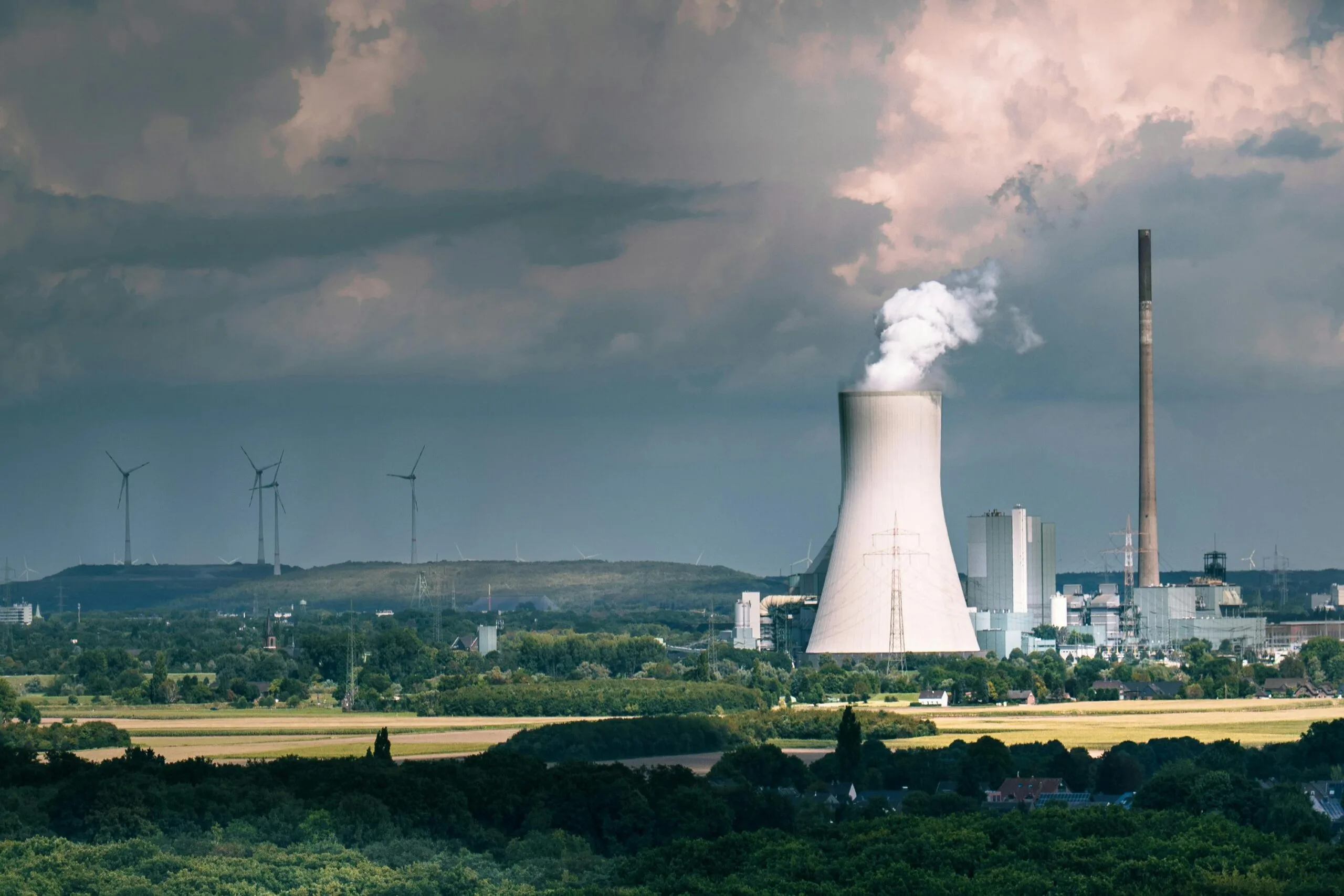
Over the past decade, Bangladesh has expanded its electricity generation network significantly to meet rising demand. The country currently operates more than 150 power plants across different regions.
These include gas-based, coal-based, oil-fired, and renewable energy facilities. Natural gas remains the largest source of electricity generation, while several coal-fired projects and LNG-based plants have been added in recent years to increase capacity.
Bangladesh’s total installed electricity generation capacity now exceeds 25,000 megawatts. However, actual generation often depends on fuel availability, which can fluctuate during global supply disruptions.
The government is also investing in solar and renewable energy projects to diversify its energy mix and reduce reliance on imported fuel in the long term.
Bangladesh has steadily expanded its electricity generation capacity by building new power plants and strengthening grid connectivity across the country.
However, actual electricity supply still depends on the availability of fuels such as natural gas, coal, and imported LNG. When fuel supplies become constrained, power plants are unable to operate at full capacity, creating pressure on the national grid.
This challenge makes energy supply stability a major concern during periods of global market disruption.
Bangladesh’s energy policy focuses on diversifying fuel sources, expanding power generation capacity, and reducing dependence on a single energy source.
The government has increased LNG imports, invested in renewable energy projects, and strengthened regional power cooperation to support long-term energy security.
At the same time, authorities promote energy conservation during periods of supply pressure. Temporary steps such as fuel rationing and institutional closures are used to manage demand while policymakers continue working on long-term strategies to strengthen the country’s energy system.
Explore the latest edition of Journal of Supply Chain Magazine and be part of the JOSC News Bulletin.
Discover all our upcoming events and secure your tickets today.
Journal of Supply Chain is a Hansi Bakis Media brand.
Subscribe to our Daily Newsletter
Subscribe For FreeBy continuing you agree to our Privacy Policy & Terms & Conditions