News
Andhra Pradesh Sets Bold 2-Year Target to Manufacture Quantum Computers at Amaravati
 Our Correspondent,
Our Correspondent,
Our Correspondent,
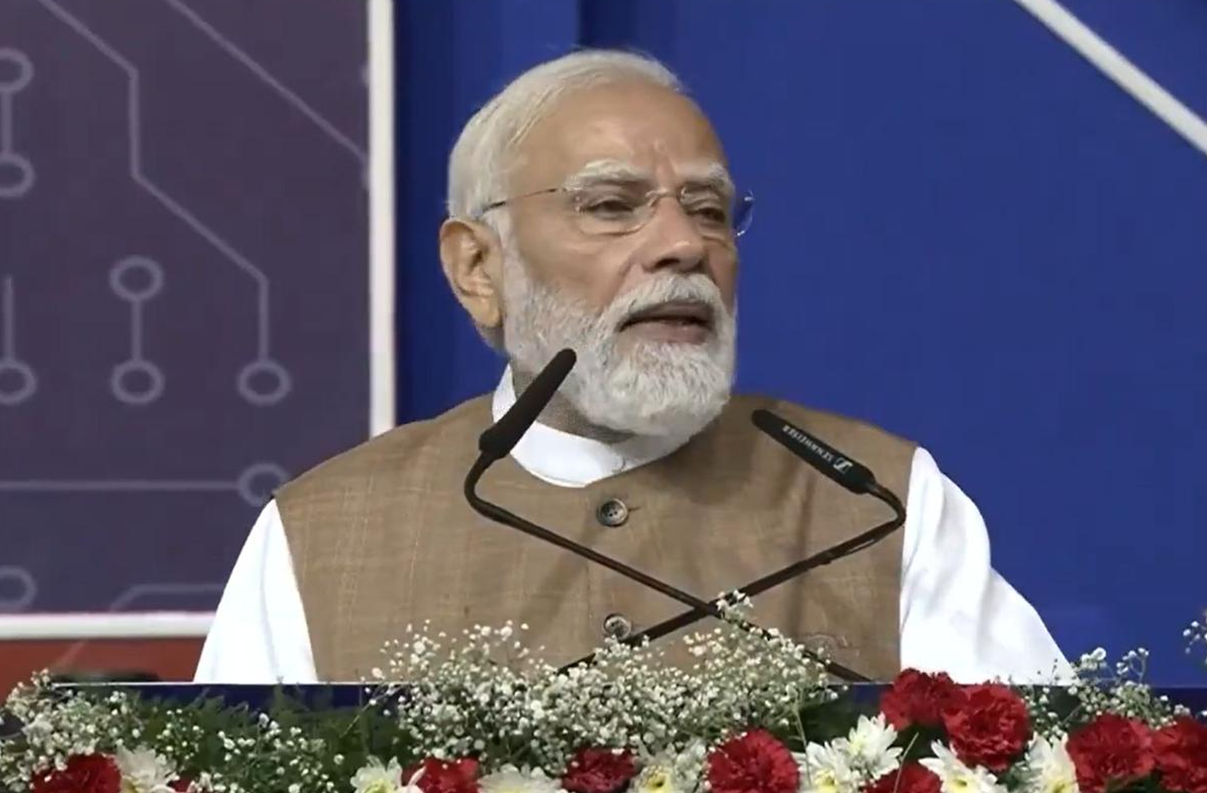
In a decisive move toward technological self-reliance, Andhra Pradesh Chief Minister N. Chandrababu Naidu announced on Tuesday that the state has set an ambitious two-year timeline to manufacture quantum computers at the Amaravati Quantum Valley. Speaking at a roundtable conference focused on the Quantum Hardware Manufacturing Ecosystem, Naidu emphasized that the future unequivocally belongs to quantum computing and that Andhra Pradesh intends to be at the forefront of this revolution.
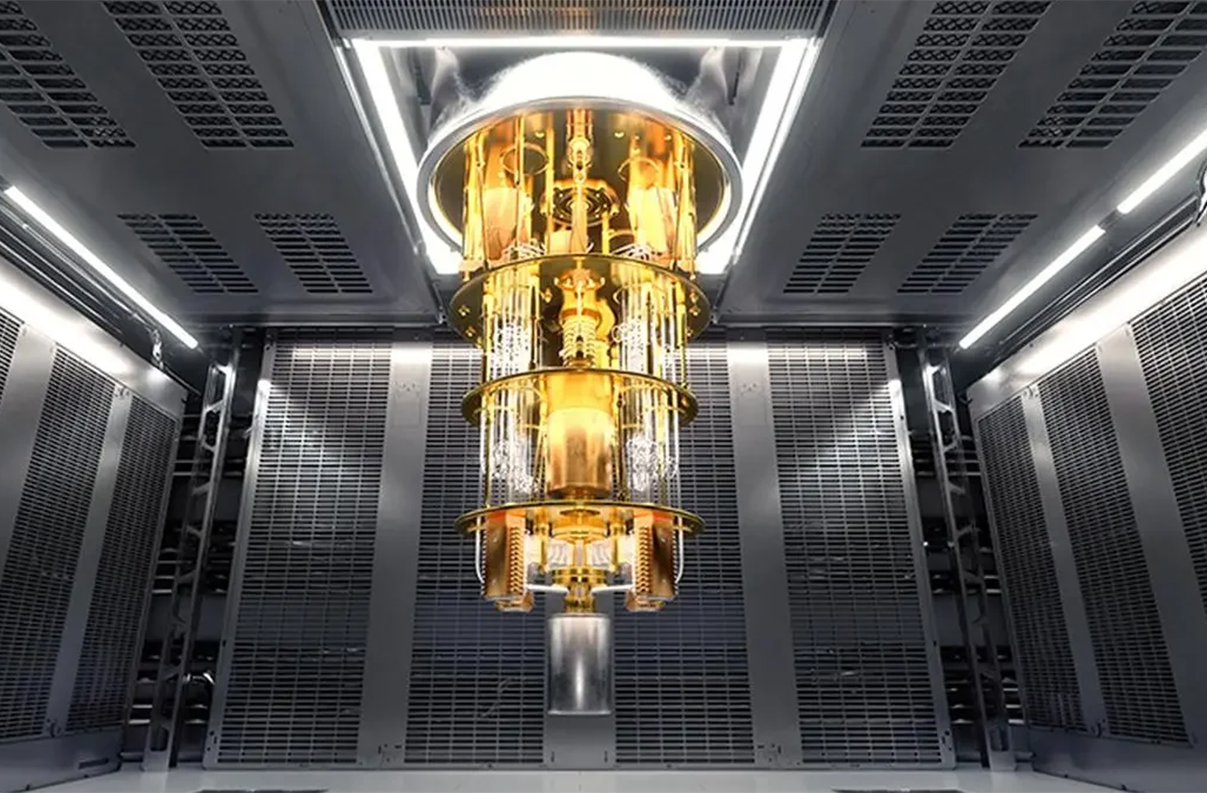
The Chief Minister made it clear that the state's vision extends far beyond simply importing quantum computing hardware. "Our objective is not to import quantum computer hardware, but to manufacture it right here within the state," Naidu stated firmly. "We aim to indigenously manufacture a Quantum Computer within a timeframe of two years. We intend to manufacture all the necessary components—including quantum devices, technology, cryogenics, and algorithms—ourselves."
This comprehensive approach to quantum computing manufacturing represents a significant departure from traditional technology adoption models, where advanced hardware is typically imported from established global manufacturers. By focusing on end-to-end indigenous production, Andhra Pradesh is positioning itself as a potential global hub for quantum technology innovation and manufacturing.
The Amaravati Quantum Valley initiative is being developed in alignment with the National Quantum Mission, with the state government forging strategic partnerships with industry giants including IBM, TCS, and L&T. These collaborations are expected to provide the technical expertise, infrastructure support, and research capabilities necessary to achieve the ambitious manufacturing timeline.
"We will construct eight towers in the capital city of Amaravati to foster and promote Quantum Technology," the Chief Minister announced. "With the establishment of the Quantum Computing Valley, Amaravati is poised to transform into a city of the future and the most livable city." Naidu positioned the Amaravati Quantum Valley as more than just a technology park, envisioning it as a catalyst that will drive the nation's future progress and technological advancement.
The Chief Minister also called upon the National Quantum Mission to provide essential technology transfers and facilitate collaborative partnerships that would accelerate the state's quantum computing ambitions. This request underscores the importance of coordinated efforts between state and national initiatives to achieve breakthrough results in emerging technologies.
National Quantum Mission Director Dr. J.V.B. Reddy responded enthusiastically to the state's initiative, noting that it aligns perfectly with the objectives of the National Quantum Mission. "Extensive measures are currently being undertaken to advance quantum technology through partnerships with organisations such as IBM, TCS, and others," Dr. Reddy explained. He revealed that thousands of students are already receiving training in quantum computing, building the human capital necessary to sustain this technological transformation.
Dr. Reddy assured that the National Quantum Mission would extend its full support and cooperation to the Andhra Pradesh Quantum Mission, recognizing the strategic importance of the state's efforts. He also commended the arrangements being made in Amaravati to facilitate quantum computer testing scheduled for April 14, calling it a significant milestone in the project's development trajectory.
With the participation of numerous leading companies and startups expected, Dr. Reddy expressed confidence that the Amaravati Quantum Valley is poised to emerge as the nation's premier quantum hub in the coming years. This endorsement from the national level validates the strategic significance of Andhra Pradesh's quantum computing initiative.
Professor V. Kamakoti, Chairman of the Andhra Pradesh Quantum Mission Apex Committee and Director of IIT Madras, participated virtually in the conference. He highlighted that the Amaravati Quantum Mission is working in close collaboration with IBM and TCS, which is fostering enhanced operational linkages and knowledge transfer.
Conference
Conference
Professor Kamakoti expressed confidence that over a thousand startup companies are expected to establish their presence in the Amaravati Quantum Valley within the next three years.
This projection of startup growth is particularly significant, as it suggests that the ecosystem being created will attract not just large corporations but also innovative smaller companies that can drive rapid experimentation and commercialization of quantum technologies. Professor Kamakoti emphasized the need to make integrated infrastructure available within the Amaravati Quantum Valley and stressed the necessity of providing appropriate incentives to attract and retain these technology enterprises.
State Quantum Mission Director C.V. Sridhar provided detailed insights into the current status and roadmap of the Amaravati Quantum Mission. He stated that the team is working with the objective of positioning the initiative as one of the top five quantum hubs globally by 2030. This ambitious goal places Andhra Pradesh in direct competition with established quantum computing centers in countries like the United States, China, and several European nations.
Sridhar detailed that buildings comprising eight towers are currently under construction within the Amaravati Quantum Valley. These towers will house various components of the quantum computing ecosystem, including research laboratories, manufacturing facilities, testing centers, and startup incubation spaces. He announced that quantum computer testing is scheduled to take place on April 14 at Medha Tower, marking a crucial milestone in the project's implementation timeline.
Additionally, Sridhar informed the gathering that an Innovation Centre is expected to become operational by October. This center will likely serve as a focal point for research collaboration, technology demonstration, and engagement with the broader quantum computing community both within India and internationally.
Professor K. Satyanarayana, Director of IIT Tirupati and Chairman of the Amaravati Quantum Mission Expert Committee, provided technical insights into the infrastructure being developed. He stated that two of the eight towers currently under construction will house the operational systems for quantum technology hardware. This allocation suggests a significant focus on creating specialized facilities that can support the unique requirements of quantum computing systems, including ultra-low temperature environments, electromagnetic shielding, and precision manufacturing capabilities.
The Amaravati Quantum Valley initiative represents a bold bet on emerging technology by the Andhra Pradesh government. Quantum computing, which leverages the principles of quantum mechanics to perform calculations exponentially faster than classical computers for certain problem types, is widely regarded as a transformative technology with applications across cryptography, drug discovery, materials science, artificial intelligence, and complex system optimization.
By committing to indigenous manufacturing rather than merely establishing a consumption or application hub, Andhra Pradesh is positioning itself to capture greater economic value from the quantum computing revolution. Manufacturing quantum computers requires expertise across multiple domains including quantum physics, cryogenic engineering, precision electronics, software development, and systems integration.
The two-year timeline announced by Chief Minister Naidu is aggressive by global standards, as quantum computing remains a challenging field where even established players face significant technical hurdles. However, the partnerships with organizations like IBM, which has been at the forefront of quantum computing development, and TCS, which brings systems integration expertise, provide important foundation for achieving this goal.
The initiative also aligns with broader national objectives of technological self-reliance and advanced manufacturing capabilities. By developing domestic quantum computing manufacturing capabilities, India can reduce dependence on foreign technology suppliers and potentially emerge as an exporter of quantum systems to other emerging markets.
The focus on training thousands of students in quantum computing technologies addresses a critical bottleneck that many technology initiatives face: the availability of skilled human resources. By building educational capacity alongside manufacturing infrastructure, Andhra Pradesh is taking a holistic approach to ecosystem development.
As the April 14 quantum computer testing date approaches, the industry will be watching closely to see how Andhra Pradesh's ambitious plans translate into tangible results. The success or challenges encountered in this initiative could influence how other Indian states and the national government approach emerging technology manufacturing in the future.
Explore the latest edition of Journal of Supply Chain Magazine and be part of the JOSC News Bulletin.
Discover all our upcoming events and secure your tickets today.
Journal of Supply Chain is a Hansi Bakis Media brand.
Subscribe to our Daily Newsletter
Subscribe For FreeBy continuing you agree to our Privacy Policy & Terms & Conditions