News
Amul's Milk Freight Train from Gujarat Reaches J&K in a Historic First for Dairy Supply Chain
 Our Correspondent,
Our Correspondent,
Our Correspondent,
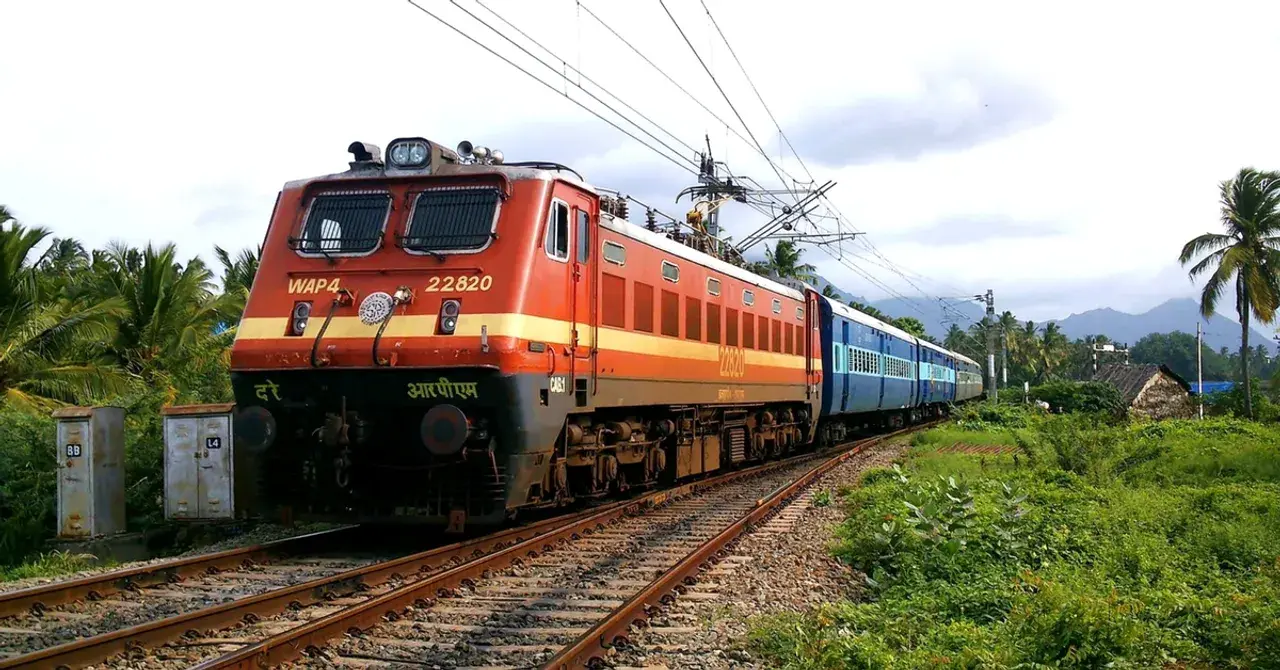
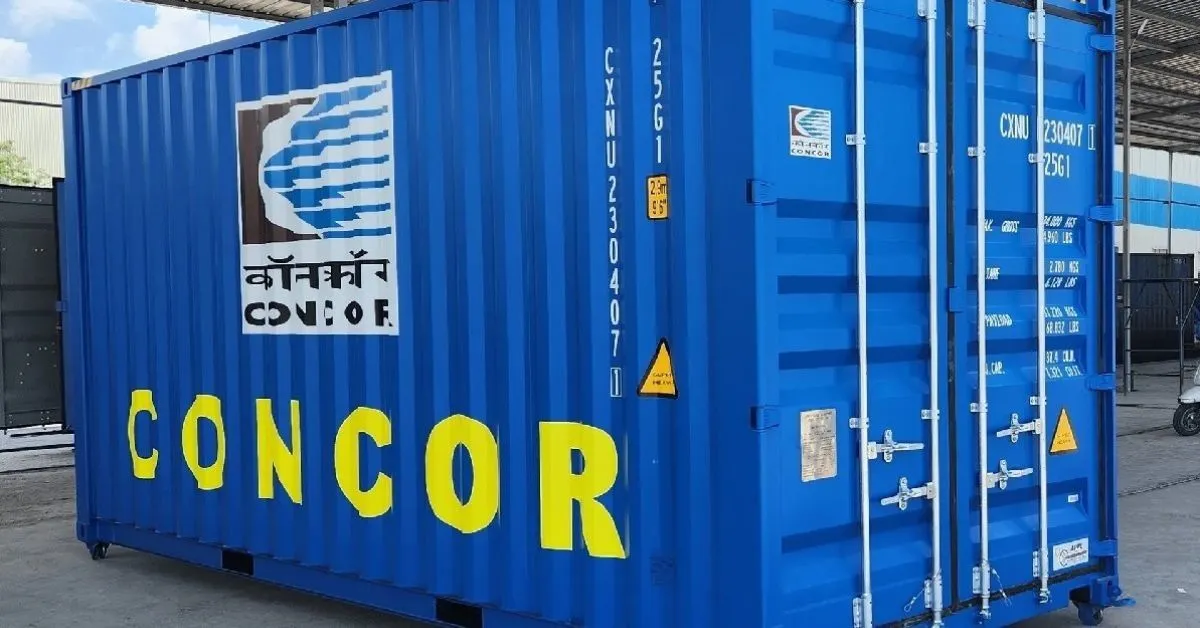
In a landmark moment for India's dairy and logistics sectors, a dedicated milk freight train carrying Amul products has successfully completed its journey from Gujarat to Jammu and Kashmir, marking the first time bulk dairy transportation to the Union Territory has been achieved via the rail network. The train was equipped with specialized refrigerated containers designed to maintain the integrity, quality, and freshness of milk and dairy products throughout the transit, ensuring that consumers at the destination receive goods in optimal condition.
This milestone carries significant weight for a region that has historically depended on road-based supply chains, which are often vulnerable to disruptions caused by adverse weather conditions, seasonal blockades, and logistical bottlenecks. By introducing rail freight as a viable and reliable alternative, authorities have taken a decisive step toward building a more resilient food supply ecosystem for Jammu and Kashmir.
The move is expected to have a direct and positive impact on the availability of dairy products across the Union Territory. With a more consistent and efficient supply mechanism in place, market analysts and regional authorities alike anticipate greater price stability for consumers, reduced instances of shortage, and a broader selection of dairy goods reaching even remote areas that were previously difficult to serve through conventional road logistics.
Officials emphasized that the launch of dedicated freight services for perishable goods such as dairy products represents more than just a logistical achievement. It opens new corridors for inter-state trade, enabling producers in dairy-rich states like Gujarat to efficiently connect with markets in northern India.
Conference
Conference
This kind of integration is critical for scaling up national food distribution networks and ensuring that production surpluses in one region can be channeled swiftly to areas of high demand.
From a cold chain logistics standpoint, the use of refrigerated rail containers is a notable advancement. Maintaining the cold chain from farm to consumer is one of the most complex challenges in perishable goods distribution, and the successful execution of this freight run demonstrates that India's rail infrastructure is increasingly capable of supporting temperature-sensitive cargo at scale. This not only benefits dairy but also sets a precedent for other perishable commodities, including fruits, vegetables, and pharmaceuticals.
The development also reflects the broader national agenda of deepening the economic and infrastructural integration of Jammu and Kashmir with the rest of India. As the Union Territory continues to grow its consumer base and urban economy, strengthening supply chain connectivity becomes an essential component of long-term regional development. The introduction of rail-based dairy freight is a concrete indicator of the government's commitment to that goal.
For Amul, one of India's most iconic dairy cooperatives, this achievement further extends its reach into a strategically important and underserved market. The cooperative has long been a standard-bearer for organized dairy supply chains in India, and this rail initiative aligns with its mission of delivering quality products to consumers across the country, regardless of geographic challenges.
As India continues to invest in multimodal logistics and freight infrastructure, milestones like this one serve as proof points that the country's supply chain capabilities are maturing rapidly. The Amul milk freight train to Jammu and Kashmir is not just a logistical first — it is a signal of what a well-connected, resilient, and modern supply chain network can achieve for the nation.
Explore the latest edition of Journal of Supply Chain Magazine and be part of the JOSC News Bulletin.
Discover all our upcoming events and secure your tickets today.
Journal of Supply Chain is a Hansi Bakis Media brand.
Subscribe to our Daily Newsletter
Subscribe For FreeBy continuing you agree to our Privacy Policy & Terms & Conditions