News
The Road to 2030: Achieving India’s Multimodal Freight Vision
 Anamika Mishra,
Sub Editor
Anamika Mishra,
Sub Editor
Anamika Mishra,
Sub Editor
Anamika Mishra,
Sub Editor
Artificial Intelligence (AI) and the Internet of Things (IoT) are playing pivotal roles in transforming India’s logistics landscape, enabling predictive analytics, route optimization, and warehouse efficiency. National initiatives are promoting automation, but high implementation costs and a shortage of skilled professionals remain barriers, especially for smaller logistics firms.
IoT is significantly enhancing real-time tracking, fleet management, and theft prevention. However, poor digital infrastructure and weak connectivity in rural regions continue to hinder widespread adoption. A positive development is the integration of FOIS systems with Logistics Data Banks (LDBs) via APIs into ERPs, providing real-time insights for critical shipments.
One of the major hurdles in achieving true multimodal logistics is data sharing and interoperability between freight modes, which operate under different regulatory frameworks and insurance standards. While Multi-Modal Transport Operator (MTO) licenses help streamline operations, government initiatives like the Unified Logistics Interface Platform (ULIP) are making API-based integration across modes possible, enabling centralized visibility through digital control towers.
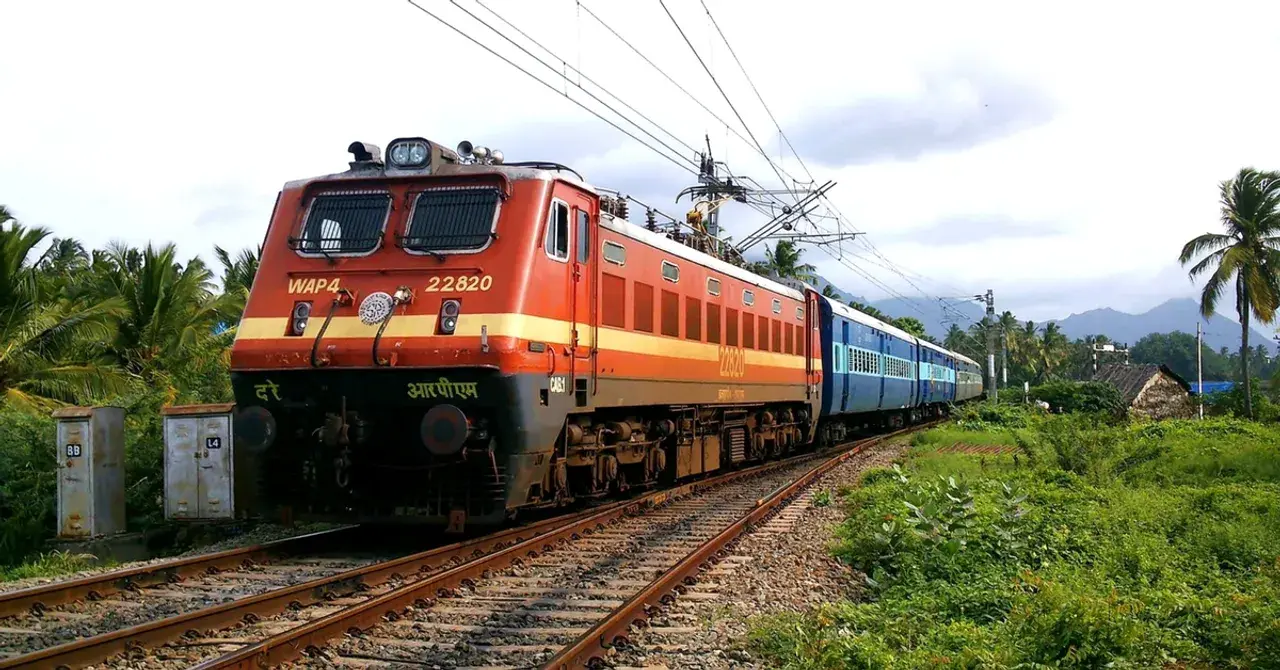
India’s ambitious goal of shifting 45% of freight to rail and waterways by 2030 is on track but demands aggressive reforms. A stronger road network, growing from 12.1 km/day in 2015 to 31 km/day in FY 2025, is boosting connectivity. To meet the 2030 target, India must accelerate the adoption of alternate fuel vehicles, reduce rail freight tariffs, improve last-mile rail connectivity, and invest in AI, blockchain, and digital infrastructure.
Speeding up logistics park development through public-private partnerships (PPPs) and simplifying regulations will be crucial. These reforms aim to build a cost-effective, transparent, and tech-enabled logistics ecosystem, setting the stage for a landmark year in 2025 and achieving sustainability by 2030.
Explore the latest edition of Journal of Supply Chain Magazine and be part of the JOSC News Bulletin.
Discover all our upcoming events and secure your tickets today.
Journal of Supply Chain is a Hansi Bakis Media brand.
Subscribe to our Daily Newsletter
Subscribe For FreeBy continuing you agree to our Privacy Policy & Terms & Conditions