Leaders Opinion
What It Takes to Serve India’s Logistics Beyond the Metros

Somewhere in a Patna delivery exception log is the shape of India’s next logistics decade. A consignment clears a national hub in under 24 hours, sits for four days at a secondary sortation point that processes 400 packages a day, and reaches its buyer a week late with no tracking update past the handoff. No single system fails catastrophically. Several things fail in sequence: an informal address that no geocode resolves, a warehousing handoff designed for metro density, a last-mile process that assumes consistent road access. This is not an edge case. Across Patna, Bhopal, Coimbatore, Guwahati, and dozens of comparable cities, this sequence repeats itself with enough regularity to constitute a structural problem. And the urgency of solving it is no longer optional, because these are no longer secondary markets.
By 2025, tier-3 cities and smaller towns already accounted for 40.48 per cent of India’s entire e-commerce logistics market. India’s logistics sector is now valued at over USD 320 billion, and a growing share of that value is being generated well outside the eight metro cities that logistics infrastructure was historically built around. Yet most network architectures, most investment decisions, and most operational playbooks are still calibrated for those eight cities. The misalignment between where demand is forming and where the industry’s operational capability actually sits is the defining constraint of this decade. Providers who address it will shape the next phase of Indian commerce. Those who do not will find the market growing around them.
A Different Kind of Complexity
There is a common internal framing of non-metro logistics as a simpler version of metro operations, a lower-volume environment where the same processes apply at reduced intensity. It is wrong, and it leads directly to the kind of sequential failure described above.
Metro networks derive their efficiency from density. Delivery stops are close together, road infrastructure is broadly consistent, and warehousing is concentrated around identifiable industrial hubs. In Nagpur or Jaipur or Vizag, none of those conditions hold in the same way. Demand is scattered across a wide geography. Road quality can shift within five kilometers in ways that invalidate a morning’s route plan by afternoon. Cold chain is a particular pressure point: pharmaceutical distribution, agricultural produce, and processed food movement all require temperature-controlled storage that non-metro regions provide inconsistently. Grade-A cold storage is still scarce in most emerging markets, which forces operators to improvise. Improvisation at low volumes is manageable. At scale, it becomes a structural liability.
Last-mile compounds all of this. In large parts of non-metro India, addressing is informal. Delivery personnel navigate by local knowledge, landmarks, and contextual cues that no standard geocoding system captures. Cash-on-delivery remains a significant preference in many of these markets, which changes the economics of return trips in ways that urban route planning rarely has to account for. And underneath the logistics challenge is a hiring challenge: non-metro operations require local talent with embedded knowledge of the city, its geography, and its consumer interactions. Redeploying metro-trained staff into Tier-2 environments does not work as cleanly as it sounds in a planning meeting.
Rethinking Network Architecture
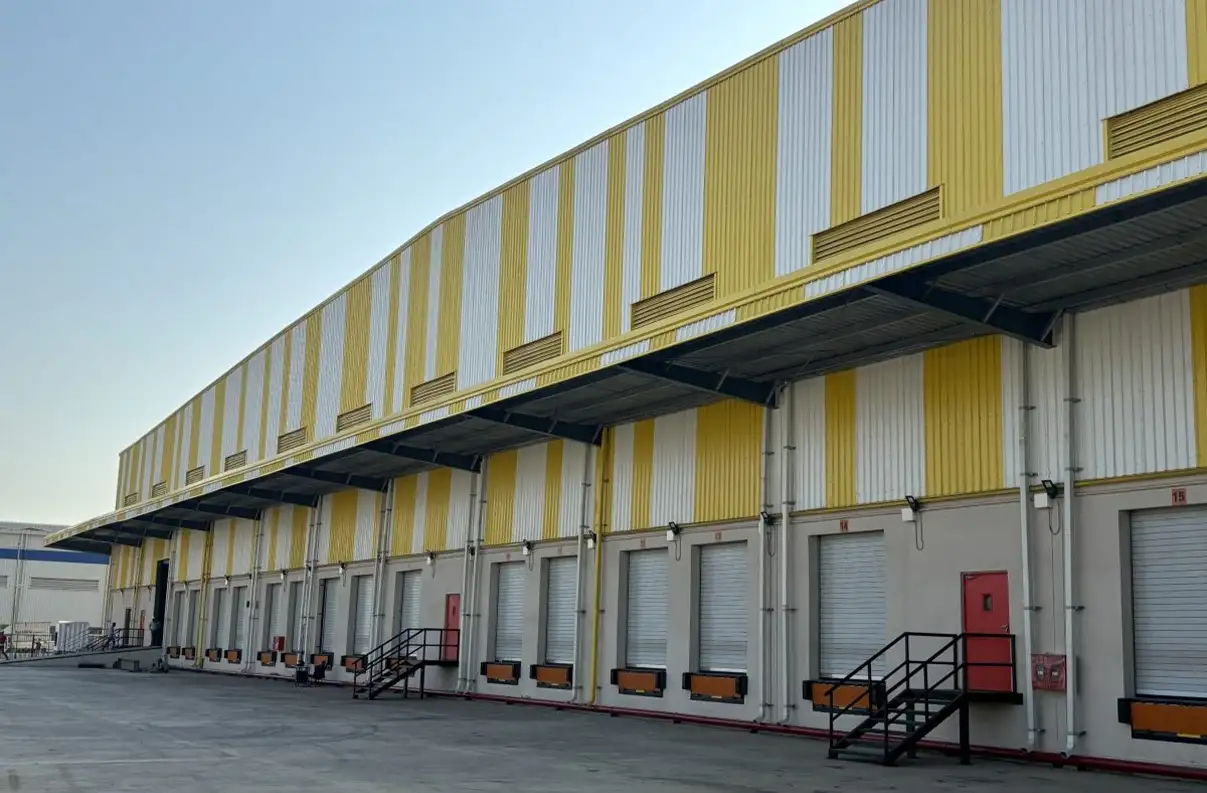
The hub-and-spoke model that defined Indian logistics for two decades was optimised for a specific assumption: that demand would remain concentrated in a handful of metros, with secondary demand flowing outward from those centres in manageable volumes. That assumption has expired. India’s warehousing stock reached 610 million square feet in 2025, with 14 emerging Tier-2 cities now hosting 112 million square feet of that total, according to a JLL report released in February 2026. Net absorption in Tier-2 cities ran to 12 million square feet in 2025 alone. Routing all of this through a metro hub before it reaches the consumer adds transit time and cost at both ends of the journey. The network is solving for a geography that no longer exists.
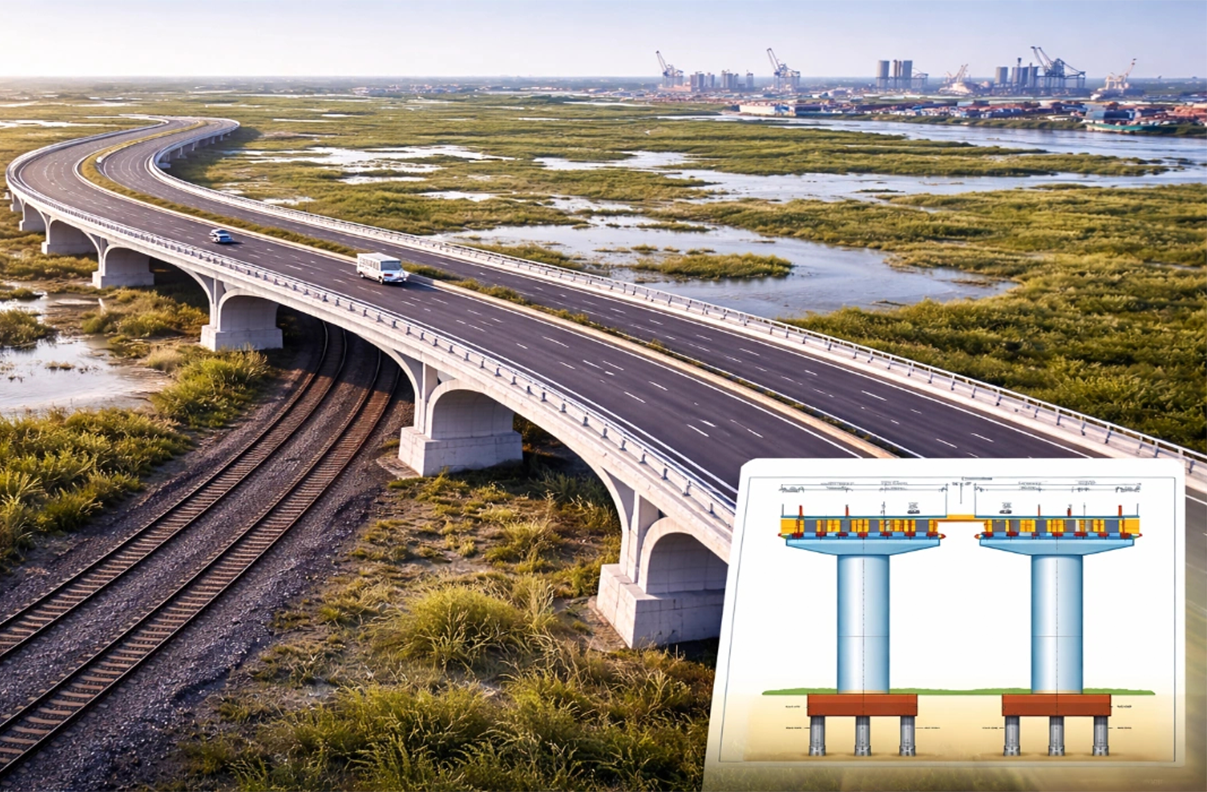
Regional distribution nodes, smaller facilities positioned closer to demand concentrations, are the more honest structural response. Building them is becoming viable in a way it was not five years ago. PM Gati Shakti’s National Master Plan has driven the Ministry of Road Transport and Highways to plan over 8,891 kilometres of roads and the Ministry of Railways to map more than 27,000 kilometres of additional rail lines. The underlying connectivity infrastructure that once made regional network investment uneconomical is being systematically addressed. A DPIIT-NCAER study placed India’s logistics cost at 7.97 per cent of GDP for 2023-24, a meaningful reduction from the 13 to 16 per cent estimates that shaped an earlier generation of investment logic. That compression creates margin for regional network expansion that was not available before.
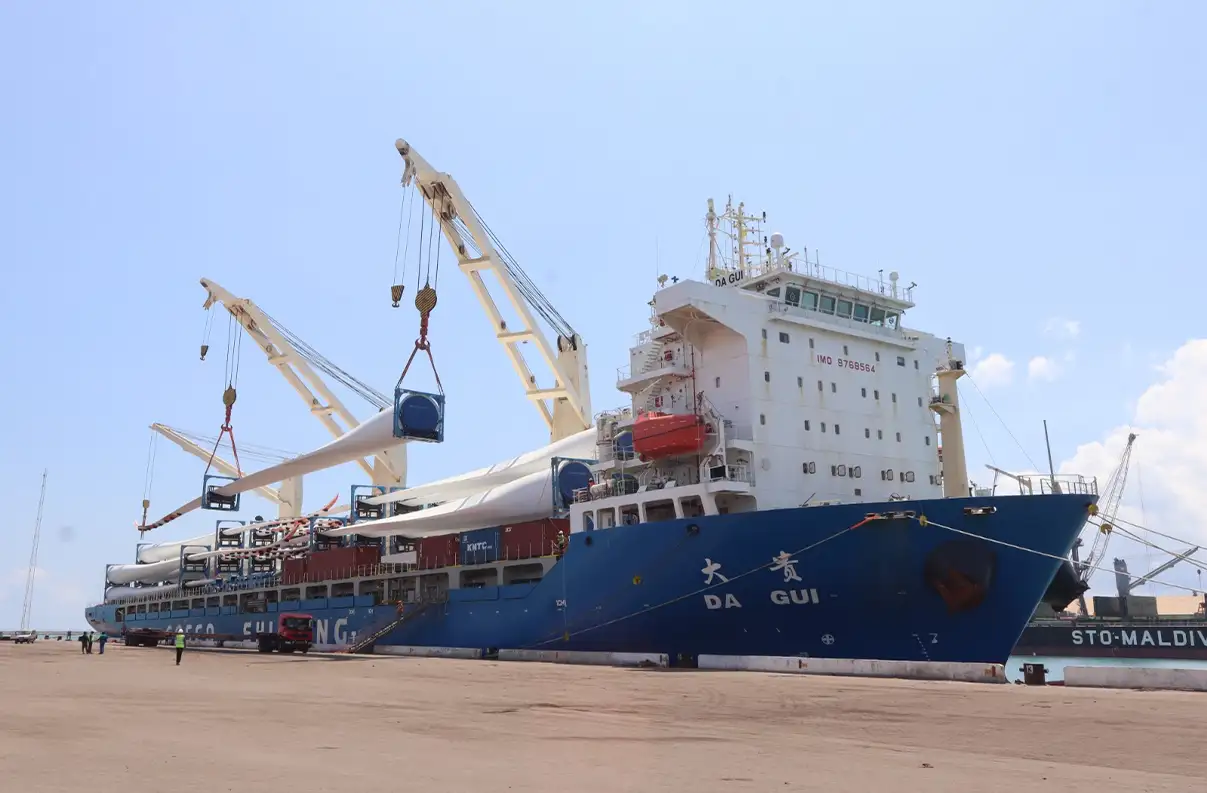
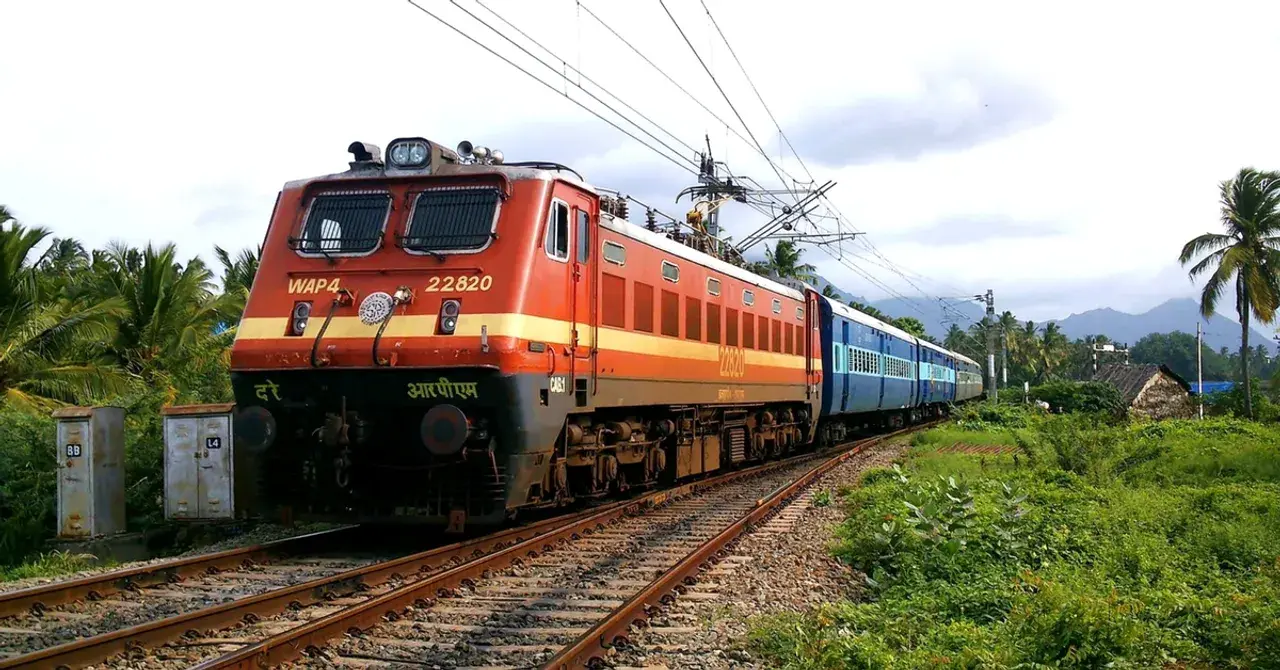
Multimodal thinking matters here in ways that metro-centric operations rarely require. Regional airports under the UDAN scheme have opened air cargo routes for time-sensitive shipments from cities that previously had no express connectivity. Rail serves bulk movement over longer distances more cheaply than road on the same corridor. The operational gap is not in knowing these modes exist; it is in building last-mile and connecting infrastructure around the main route so that mode-switching is actually practical rather than theoretical. Partnerships with local transporters and regional last-mile operators reduce the capital required for this without sacrificing control, but they require real operational integration, not just vendor contracts managed from a metro headquarters.
Conference

Conference

Technology as the Operational Backbone
Non-metro logistics makes unusually high demands on visibility. When a consignment enters a dispersed network with inconsistent infrastructure, the ability to track it, re-route it, and intervene before a failure compounds is what separates serviceable delivery from the exception-log scenario described at the opening. Route optimisation tools that adapt to real-time road conditions, rather than assuming consistent connectivity, reduce transit times and vehicle idle costs in environments where a single damaged road can make an entire day’s plan redundant.
Address intelligence deserves specific attention. GPS mapping layered with local geolocation inputs allows delivery personnel to resolve informal addresses that standard verification systems cannot process. The immediate result is a higher first-attempt delivery rate, which matters for unit economics but matters more for building the kind of consumer trust that sustains repeat usage in markets where logistics credibility is still being established. Predictive analytics serves a different function here than it does in metros: demand in non-metro India concentrates sharply around festival periods and agricultural cycles in ways that static planning consistently under-prepares for. Operators who build seasonal forecasting into non-metro planning pre-position capacity before the surge rather than competing for it during.
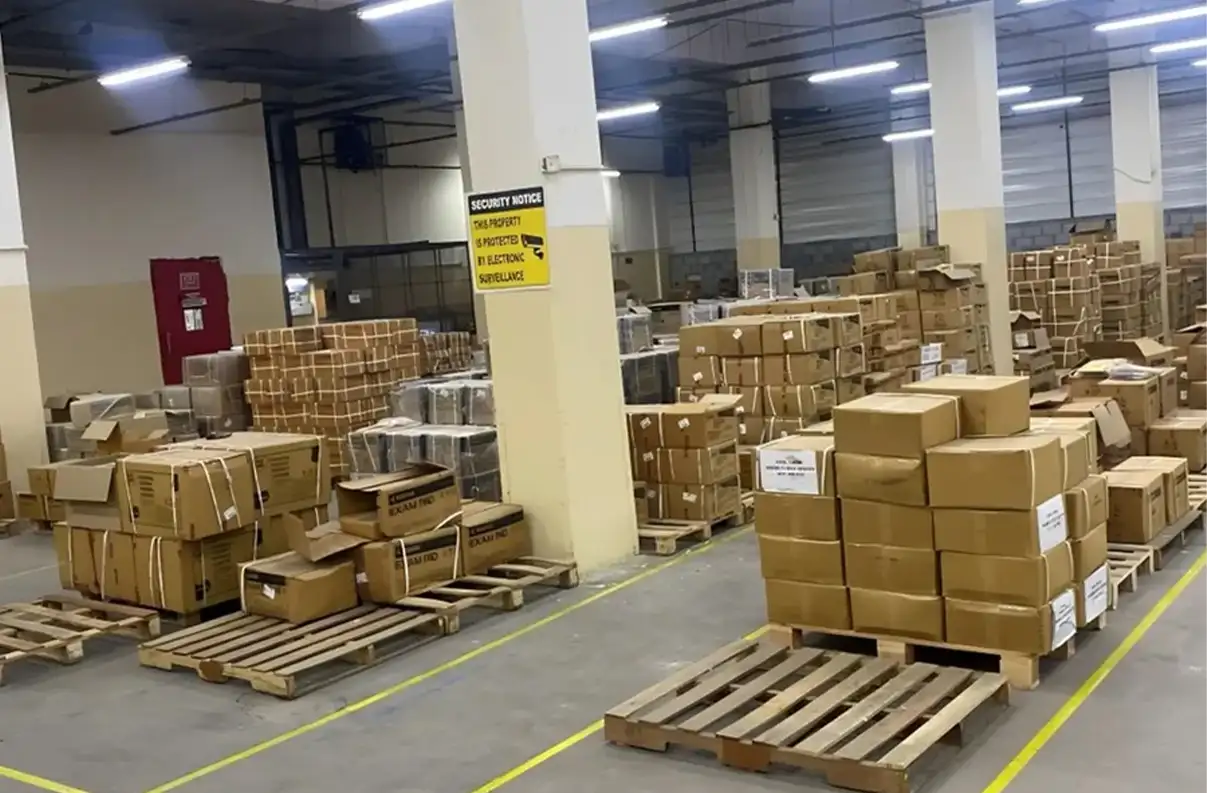
Warehousing automation is extending into smaller regional facilities faster than the industry anticipated, largely because the economics have changed. Barcode tracking, digital inventory management, and scalable sorting can now produce a return at the kind of volumes a Tier-2 facility handles without waiting for the density that historically preceded that investment. India is projected to become one of the top six users of warehouse automation systems globally by 2026, with annual market value expected to reach USD 2 billion. That scale of adoption will not happen if automation stays concentrated in large metro hubs. The technology is moving outward. Whether operations move with it is a strategic decision, not a technical constraint.
The MSME Imperative
India has approximately 63 million micro, small, and medium enterprises, a large share of them operating from non-metro locations. What logistics quality means for a Tier-2 manufacturer is different from what it means for a large exporter with a metro distribution network. A textile unit in Tiruppur or an auto-components supplier in Rajkot does not have a fallback. Their national market access is a direct function of what logistics infrastructure reaches them, and when that infrastructure is unreliable, the cost shows up as inflated inventory, broken delivery commitments, or a smaller addressable market than production capacity can actually serve. Strong non-metro logistics does not merely support these businesses. It determines the ceiling on how large they can grow.
A parallel dynamic is playing out with direct-to-consumer brands, many of which source from non-metro production clusters and sell to customers in metros and other cities. The supply chain direction is inverted from what the network was designed for, and it breaks down most visibly on the return journey. Managing returns from dispersed non-metro consumers requires dedicated reverse logistics processes; improvised extensions of the forward network are not sufficient. India’s e-commerce logistics sector was processing approximately 12 to 14 million shipments per day in early 2026, with a significant and growing share originating from non-metro locations. At that volume, the cost of an underdeveloped return network is not a nuisance; it is a direct drag on platform economics and brand retention.
Building for Sustainable Scale
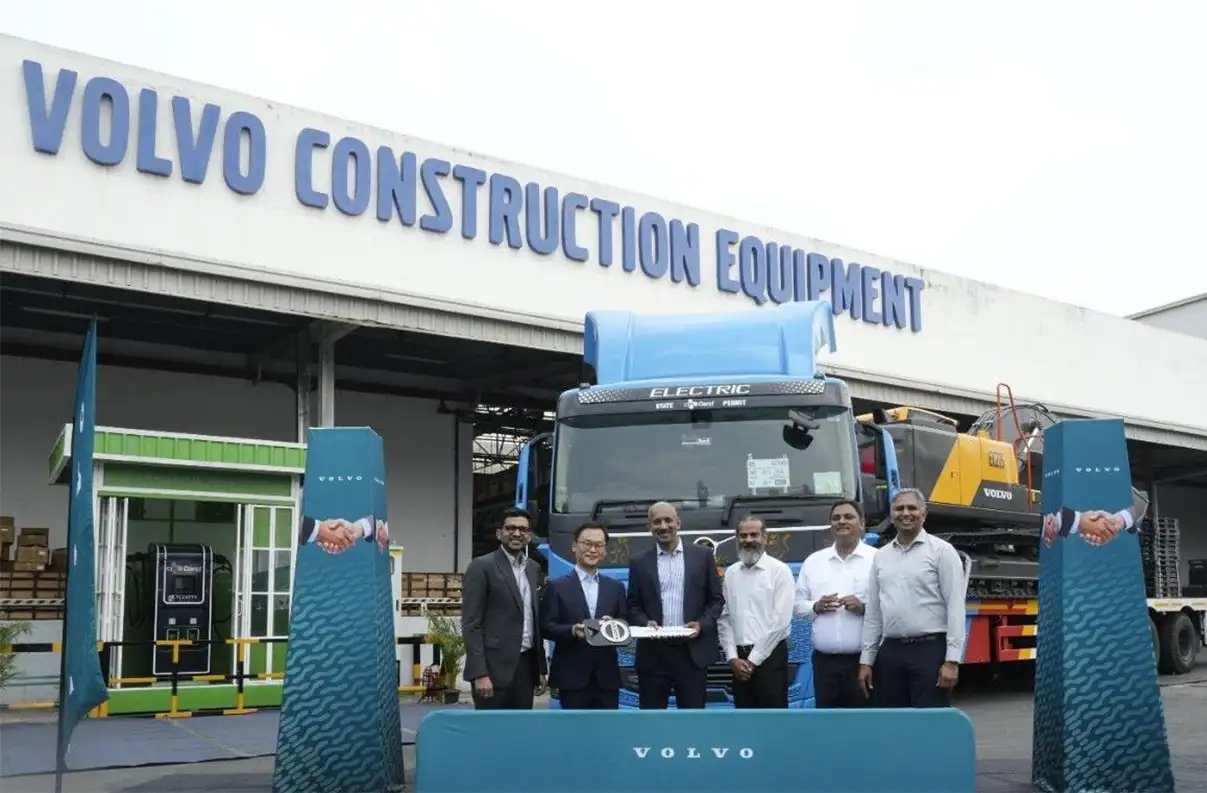
Geographic expansion carries an environmental cost that logistics operators are increasingly expected to account for operationally, not just in sustainability reports. As non-metro networks grow, freight kilometres increase and warehousing footprints multiply across regions where energy infrastructure is less reliable. Electric vehicles are making real inroads on last-mile routes in urban and semi-urban areas, where the range constraints are manageable and the fuel arbitrage is most visible. Solar-powered warehousing is gaining traction in smaller regional facilities that previously had no reason to consider on-site generation.
The paradox of non-metro expansion, if designed with load consolidation and route efficiency from the outset, is that it can reduce per-shipment environmental intensity even as total shipment volumes rise. Load consolidation through better demand forecasting and regional hub placement compresses empty-run kilometres. Route optimisation reduces idle time. But these outcomes require deliberate design choices at the network architecture stage, not sustainability initiatives grafted onto an expansion after the fact. India’s warehousing market is on a trajectory toward 850 million square feet of stock by 2030. How that expansion is built, and on what energy infrastructure, will matter as much as the fact that it is being built at all.
The Road Ahead
India’s freight and logistics sector was valued at USD 349.37 billion in 2025 and is on track to reach USD 592.36 billion by 2031. The capital entering this sector is large, but capital does not by itself solve the Patna exception log. It does not address the informal address, the cold chain gap, or the shortage of delivery personnel who understand the city they operate in. What solves those problems is operational investment in non-metro execution capability: regional network design, local talent, technology calibrated to informal environments, and the willingness to build capacity ahead of the volume that justifies it on a spreadsheet.
The MSME clusters spread across western, southern, and northern India, the direct-to-consumer brands inverting supply chain direction, the agricultural value chains that run through towns nobody has built a logistics park near yet: all of these are generating demand that the existing metro-centric network cannot serve efficiently. Logistics providers who have redesigned their networks, built their technology for non-metro conditions, and staffed operations with local knowledge will capture this growth. Those who have not will find themselves serving a shrinking share of an expanding market. Non-metro India is not a residual. Resilience, at this scale and in this geography, belongs to those who arrive prepared, not those who arrive after the demand curve has already moved.
Explore the latest edition of Journal of Supply Chain Magazine and be part of the JOSC News Bulletin.
Discover all our upcoming events and secure your tickets today.
Journal of Supply Chain is a Hansi Bakis Media brand.
Leave Comment
Join the community of 150,000+ industry professionals
Subscribe to our Daily Newsletter
Subscribe For FreeBy continuing you agree to our Privacy Policy & Terms & Conditions
Latest



Feature Articles
Related