Leaders Opinion
The Carbon Neutral Mandate - Navigating India’s Logistics Pivot in 2026

Logistics at the Crossroads
India’s transition to a carbon-neutral economy is no longer a matter of corporate philanthropy or a peripheral "green" initiative relegated to annual CSR reports. It has rapidly evolved into a strategic and mandatory business imperative, catalysed by a tightening global regulatory landscape and a national urgency to modernize infrastructure. For decades, the Indian logistics sector operated on a high-friction, high-emission model, where cost-per-kilometre was the only metric that mattered. Today, that paradigm is collapsing under the weight of the definitive 2026 Carbon Credit compliance mandates and international trade pressures like the Carbon Border Adjustment Mechanism (CBAM).
The stakes extend far beyond simple compliance. As the world’s fifth-largest economy, India’s logistical efficiency directly dictates its global competitiveness. Historically, the sector has been plagued by fragmentation, with nearly 90% of emissions originating from a road-heavy transport mix dominated by small and unorganized operators. Moving toward a net-zero future requires more than just swapping diesel engines for electric motors it demands a fundamental structural "pivot." This involves a systemic migration toward multimodal freight, where the Dedicated Freight Corridors (DFCs) serve as the high-capacity backbone reducing the carbon footprint of long-haul transit by shifting volume from highways to fully electrified rail.
Furthermore, the rise of "Green Logistics" is increasingly tied to capital access. Global investors and domestic financial institutions are now applying rigorous ESG (Environmental, Social, and Governance) filters to their portfolios. For Indian firms, this means that the ability to demonstrate a clear path toward decarbonization is becoming a prerequisite for securing low-cost financing. The technological leap required is immense integrating IoT for real-time emissions tracking, adopting Alternative Fuel Vehicles and optimizing last-mile delivery via AI-driven route planning
True leadership in this new era means treating sustainability not as an unavoidable tax or a balance-sheet liability, but as a core component of an integrated, resilient supply chain. The message for Indian manufacturers and logistics providers is clear decarbonize or be priced out of the global market. As "carbon-per-ton-mile" becomes as critical a KPI as delivery speed, the industry must embrace a digital-green synergy. This means leveraging platforms like the Unified Logistics Interface Platform (ULIP) to ensure transparent carbon accounting across the entire value chain. By integrating captive renewable infrastructure and circular recovery systems, Indian industry can transform 2026’s regulatory hurdles into a formidable competitive advantage, securing its place in the future of global trade.
I. The Regulatory Shift: From Aspiration to Obligation
Sustainability in the Indian supply chain has fundamentally shifted from a Corporate Social Responsibility (CSR) wing function to a mandatory business requirement.
- Internal Catalyst: The Indian Carbon Market (ICM): The Carbon Credit Trading Scheme (CCTS) has transitioned into its definitive compliance phase in 2026. This makes carbon emissions a formal line item on the balance sheet for "Obligated Entities," forcing logistics providers servicing them to be evaluated on "carbon-per-ton-mile," not just "cost-per-mile."
- External Pressure: EU’s CBAM: With the EU’s CBAM now in its taxation phase, carbon accounting is a prerequisite for Indian exporters to maintain market access. This necessitates a digital overhaul where a shipment’s Specific Embedded Emissions (SEE) becomes as crucial for trade as is the traditional Bill of Lading.
II. Navigating the Electric Mobility Reality Check
While electrification addresses the "how" of the transition, real world constraints demand a nuanced strategy beyond the last-mile hype.
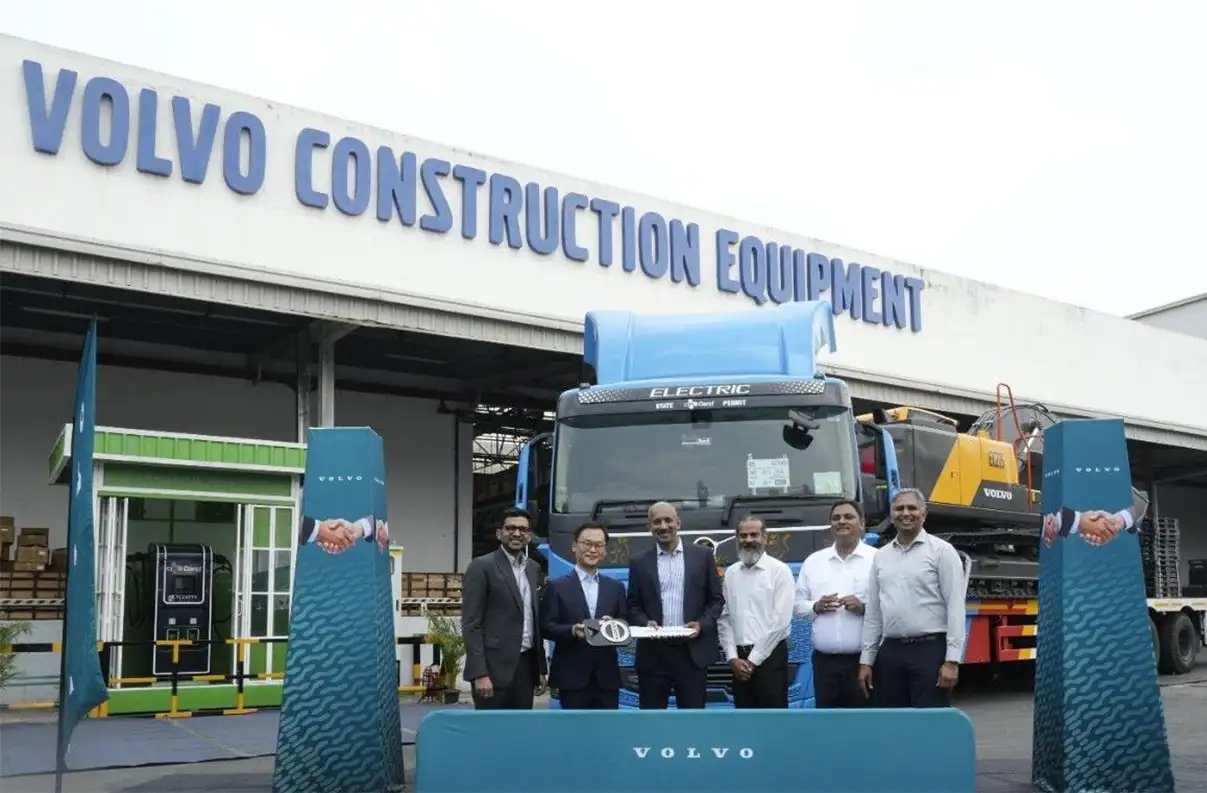
- Last Mile Success and the Middle Mile Challenge: Electric Vehicles (EVs) are an unassailable solution for the last mile (3-wheelers and small commercial vehicles), with total cost of ownership parity subsidized under the PM e-DRIVE scheme. However, the move to e-trucks introduces significant investment in Highway Charging Infrastructure and can create a Payload Paradox, where battery weight can potentially reduce freight capacity by 10-15%.
Success here requires a conceptual shift from selling "space" to selling "carbon-neutral throughput."
- The Bottleneck of Charging Infrastructure: The critical constraint is not charger availability, but the sanctioned load of the utility grid. Installing a high-capacity fast charger is often a multi-month bureaucratic process with land acquisition, tariff parity being major challenges. Consequently, the immediate future belongs to Captive Energy Autonomy. Charge Point Operators must become energy managers, investing in on-site solar and Battery Energy Storage Systems (BESS) for grid security.
III. Transitioning freight from Road to Rail
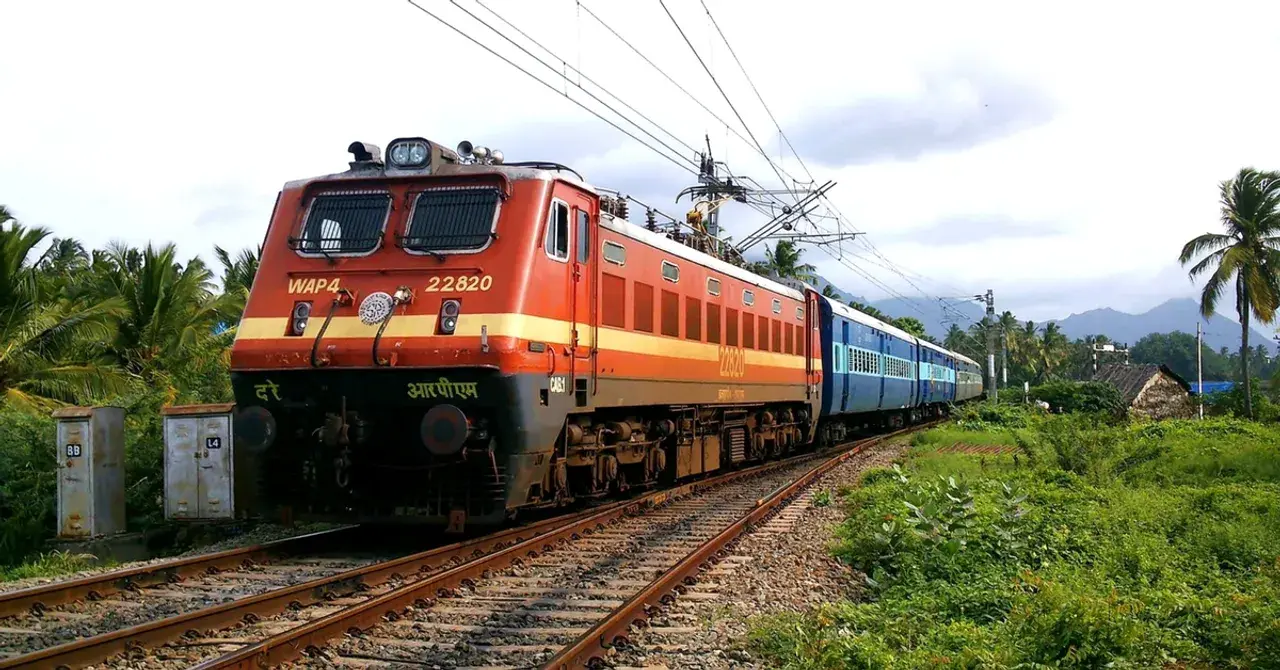
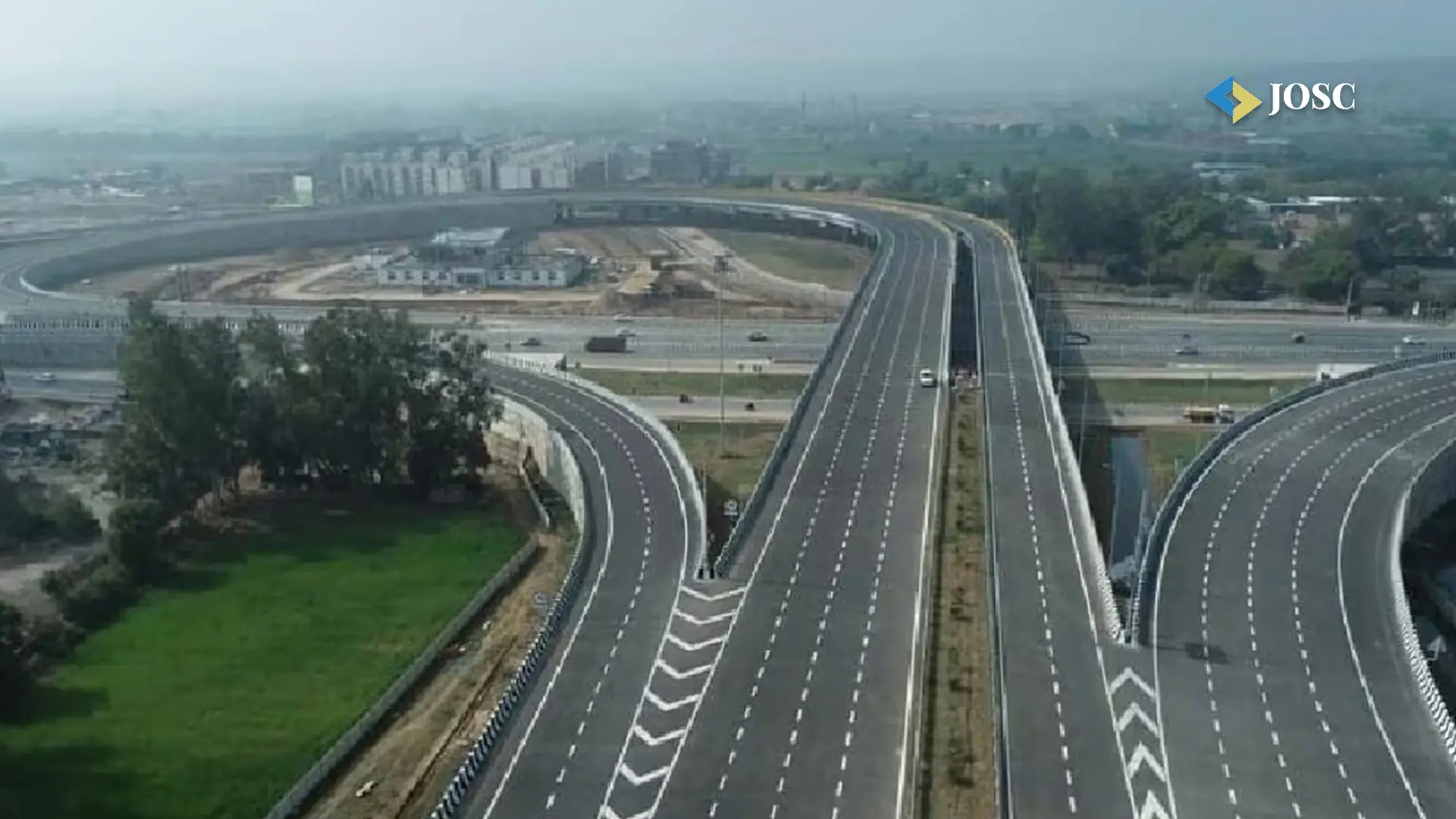
The Dedicated Freight Corridors (DFCs), encompassing the Eastern and Western routes, are a cornerstone of India’s transition to green logistics by significantly altering how goods move across the country. By shifting high volume freight from carbon-intensive road transport which accounts for nearly 90% of all logistics emissions to a fully electrified rail network, the DFCs significantly lower the sector's environmental impact.
These corridors are designed for high efficiency, allowing for longer, heavier and faster trains including double-stack containers on the Western DFC that generate significantly lower greenhouse gas emissions compared to conventional surface transportation.
Innovative models like Truck on Train will further accelerate this transition by removing thousands of diesel trucks from highways, resulting in measurable savings in fuel and a drastic reduction in CO₂ and particulate matter. As Indian shippers progress towards sustainable supply chains the DFCs provide the logistics industry vital infrastructure needed to achieve the national goal of increasing rail’s freight share and making them indispensable to the country’s net zero roadmap.
IV. Coastal Shipping
Coastal shipping allows Indian customers to reduce their carbon footprint primarily by shifting freight from high-emission road networks to the most energy-efficient mode of transport available.
As of 2026, new regulations and port side infrastructure are making this transition both a sustainability requirement and a competitive advantage for businesses.
Direct Carbon Reduction for Customers
- Superior Fuel Efficiency: Maritime transport is significantly more fuel-efficient than land modes. Moving 1 ton of cargo 1 km by sea consumes far less energy than by truck, allowing customers to lower their carbon-per-ton-mile metrics immediately.
- 70% Lower CO₂ Emissions: Ships emit up to 90% less CO₂ than trucks per ton-kilometre. For customers with large-scale bulk cargo like coal, cement, or steel, this shift is the single most effective way to decarbonize their long-haul logistics.
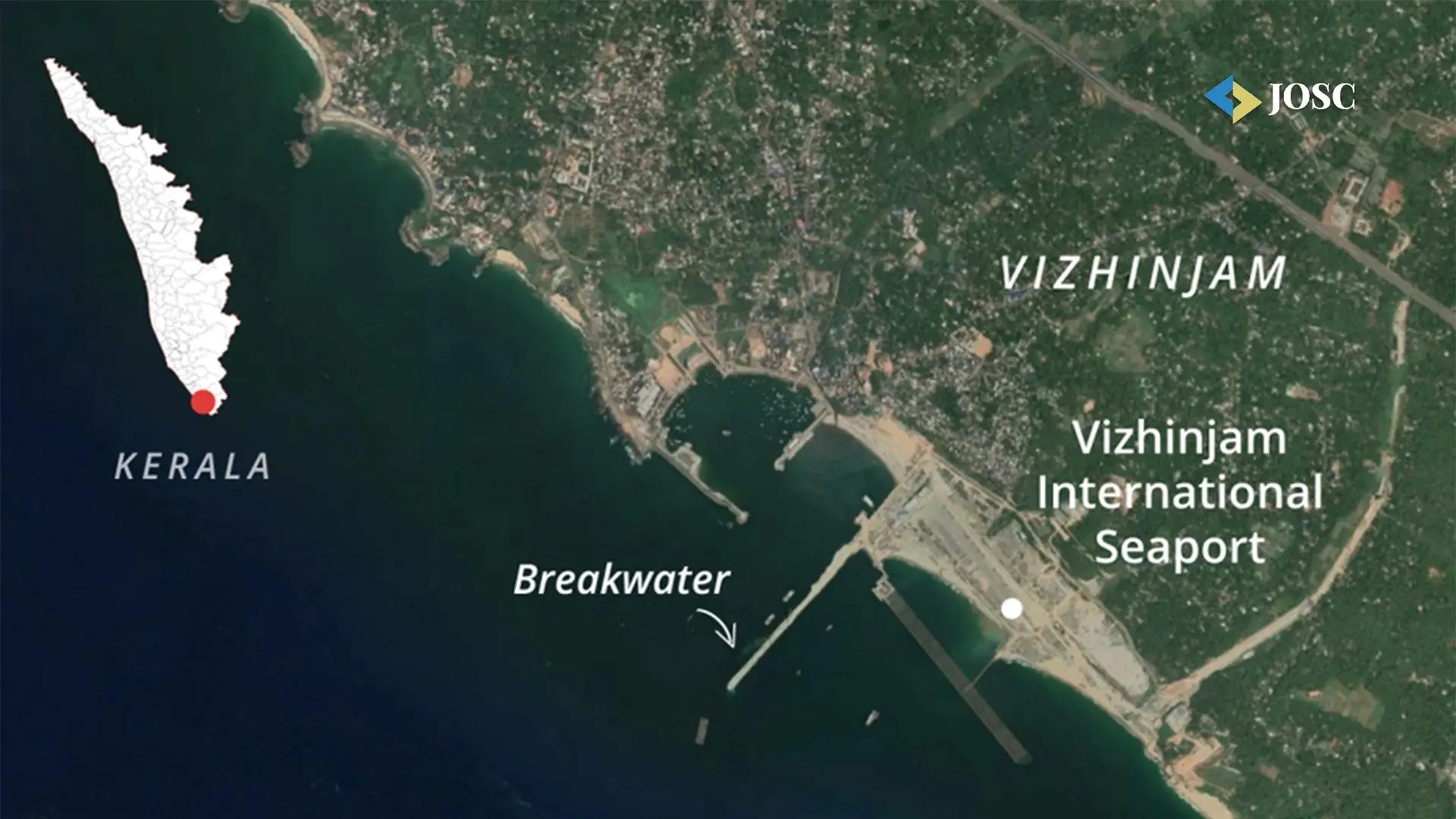
- Green Shipping Corridors: Customers using routes like Mundra/Kandla/Pipavav–Kochi–Chennai or the new Rotterdam–India–Singapore green corridor can eventually benefit from vessels powered by green hydrogen, ammonia or electricity further reducing "well-to-wake" emissions.
V. Green Warehousing & Multimodal Logistics Parks
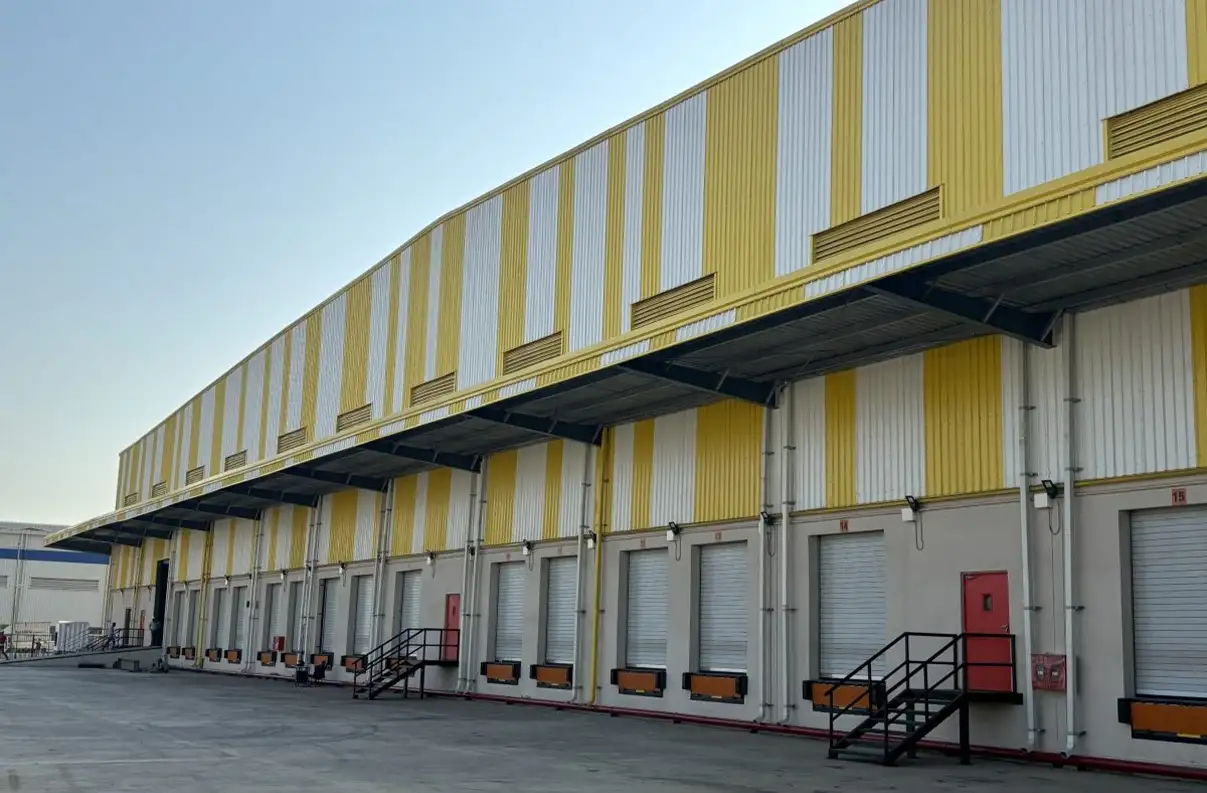
Green warehousing in India is transforming from a "niche" environmental choice into a strategic financial asset, particularly as the country prepares for the 2026 Carbon Credit compliance. By integrating sustainable design and smart technology these facilities serve as the stationary anchors of a low-carbon supply chain.
Unlike traditional godowns and warehouses sheds, modern green warehouses (often Grade A facilities) focus on three main pillars to reduce their environmental footprint:
- Energy Autonomy: Transitioning to solar-rooftops is a primary driver and many facilities in India now offset 30–50% of their daytime energy needs through on-site generation. This is paired with LED lighting and HVLS (High-Volume Low-Speed) fans to minimize the "load" on the grid.
- Resource Circularity: Features like rainwater harvesting and on-site sewage treatment plants (STPs) are becoming standard. In India's water-stressed regions, these measures can reduce freshwater consumption by up to 40%.
- Low-Carbon Construction: The use of green cement or green concrete (which avoids traditional carbon-heavy binders) and recycled steel reduces the embodied carbon of the building itself before operations even begin.
The Multimodal Synergy: Warehousing as a Green Hub
- Green warehousing does not exist in isolation; it is the critical synchronisation point that allows different low-carbon transport modes to function as a unified system. In the Indian context this is becoming the blueprint for Multimodal Logistics Parks (MMLPs).
- Energy Decarbonization at Rest: While goods are stationary a green warehouse uses solar integrated roofing to not only power its own operations but to serve as a high-capacity charging station for Electric Vehicle (EV) fleets. This ensures that the last-mile delivery begins with a full charge of renewable energy reducing the grey energy often pulled from the state grid.
- Buffer for High-Efficiency Rail and Sea: Coastal shipping and Dedicated Freight Corridors (DFCs) operate on rigid schedules and high volumes. Green warehouses equipped with AI-driven inventory management act as smart buffers ensuring that cargo is staged and ready for these high-efficiency windows. This synchronization reduces "idling time" for ships and trains which is a significant source of secondary emissions.
- Standardizing Packaging: By using standardized reusable packaging and automated sorting within the warehouse the transition between a coastal vessel, a DFC wagon, and a last-mile EV truck becomes seamless. This reduces the energy intensive re-handling of goods which currently accounts for a hidden portion of the logistics carbon footprint.
By positioning these facilities at the intersection of rail, road, and sea, India can move away from fragmented logistics toward a Green Corridor model where every handoff point from the port to the final warehouse is optimized for carbon-neutral throughput.
Conference

Conference

VI. Circularity as a Strategic Profit Driver
In 2026, viewing circularity as mere compliance is sacrificing significant value. The strategic game lies in transforming reverse logistics historically into a cost-center into a core profit engine.
- The Challenge of Fragmentation: Recovering post-consumer waste (like used lithium-ion batteries or flexible plastic) in India's fragmented geography is logistically staggering.
The missing link is the lack of specialized Recovery Hubs or Reverse Fulfillment Centers that can grade and refurbish assets at the edge of the network.
- Resource Velocity and Data Extraction: A return is a failed delivery until data is extracted from it. By integrating these insights, the supply chain moves from reactive clean-up to proactive waste reduction at the source. The goal is not just recycling but maximizing resource velocity.
VII. Digital-Green Synergy: Focus on Standardization
In an industry saturated with "Green-Tech" buzzwords a cautious and pragmatic view of digital integration is necessary.
- Interoperability Over Sophistication: The Unified Logistics Interface Platform (ULIP) is a gamechanger, but a data dark hole persists with the unorganized players in the logistics sector. The solution is not complex ERP’s but simple mobile-first interfaces that ensure data is entered at the source. The core synergy must be interoperability.
- The Pragmatism of Blockchain: While Blockchain is a powerful global tool for trust, it is not a magic wand. Without standardized protocols for measurement, there is a risk of creating a record of inaccurate data. The prerequisite for any advanced technology is standardization agreeing on the fundamental measurement before focusing on encrypting the result.
VIII. The Just Transition: Upskilling for an Inclusive Green Economy
- A Just transition in India’s logistics sector requires to pay more attention to equitable growth for the industry’s most vulnerable players. As carbon compliance and electrification become mandatory, we must bridge the "technology gap” of unorganized logistics service providers through targeted training and development programs.
- By Upskilling the Middle Mile and providing small-scale operators with digital literacy to use mobile-first interfaces and technical skills to maintain electric fleets we ensure that the shift towards reducing carbon footprint is inclusive. A successful transition doesn't just reduce emissions it upskills the workforce ensuring that drivers and vendors are not displaced but are instead empowered as professional stakeholders in a rapidly growing green economy.
Conclusion
To conclude “India’s logistics pivot” requires a fundamental redesign of goods movement requiring a balance of digital oversight and human intervention. For India’s Trade and logistics service providers the 2026 pivot is more than a regulatory hurdle it is the test of resilience.
Ultimately the goal is to move from reactive compliance to proactive leadership. By transforming logistical "cost centres" into value engines, Indian industry can secure its place at the centre of the global trade map. This transition is no longer about reaching a distant environmental destination it is about securing long-term financial and operational sustenance. For those ready to innovate the hurdles of 2026 legislations are not barriers they are the building blocks of a sustainable future.
This article is authored by Samir Hosangady CILT. Samir has over 25 years of leadership experience scaling businesses in South and South East Asia in Logistics and Supply Chain. He currently leads the India Freight Decarbonization Initiative at Sattva Consulting. Views expressed in this article are those of the author and do not represent the opinion of the employer or affiliated organizations
Explore the latest edition of Journal of Supply Chain Magazine and be part of the JOSC News Bulletin.
Discover all our upcoming events and secure your tickets today.
Journal of Supply Chain is a Hansi Bakis Media brand.
Leave Comment
Join the community of 150,000+ industry professionals
Subscribe to our Daily Newsletter
Subscribe For FreeBy continuing you agree to our Privacy Policy & Terms & Conditions
Latest





Feature Articles



Related