Leaders Opinion
Logistics and Distribution: Key Trends and contribution to Indian economy
Logistics and Distribution sector is already be playing a fairly important role in your life. It is among the sunshine sectors of India GDP. Logistics sector has grown by leaps and bounds over last decade. India logistics cost as %GDP has improved from 16% to 10% and will reach 9% by end of year 2025.
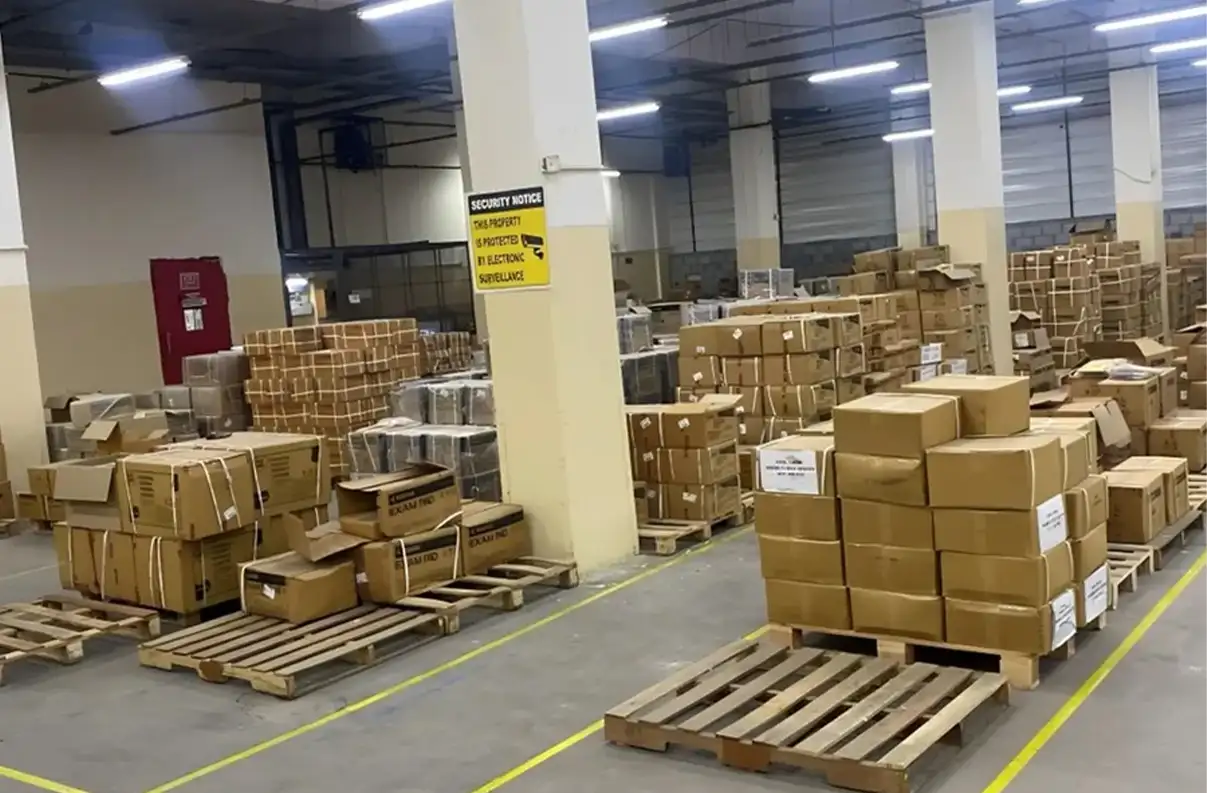
Background : Logistics has contributed significantly towards economic growth. Managing warehouse and transportation operations is one of the toughest jobs and require superhuman efforts and rigour for perfect execution. Warehouse operations are unloading of goods, storing them accurately in safe and hygienic environment and picking and loading goods to service customer orders. Transportation is about movement of goods from source to destination location. E- commerce businesses are largely supported by logistics delivery models to service customer orders.
Importance of Logistics: A company generates money when it makes a sale to the customer. Sales will not happen if distribution centres do not load and dispatch the goods and transporter connects it to the customer on timely basis. Similarly, factories will run when they have sufficient Raw and Packing materials for production of goods. Product flow in supply chain network is enabled by logistics and essential to ensure goods delivery to the consumers.
Key trends in logistics are:
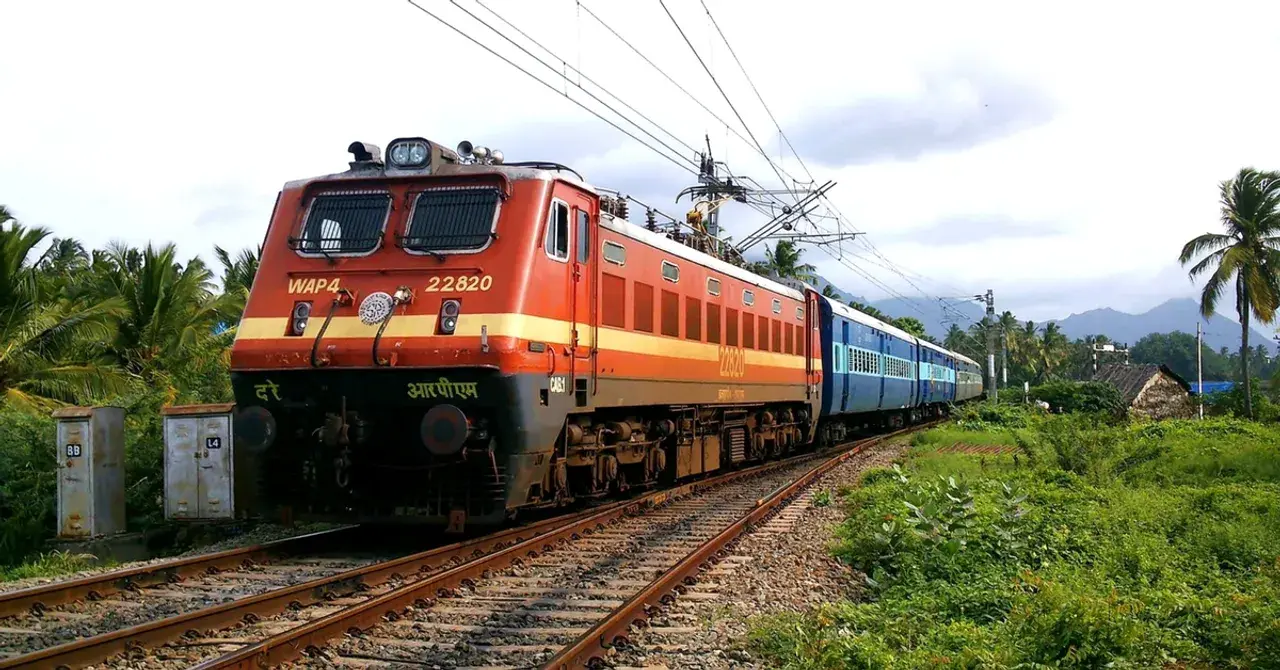
1.Building resilient supply chains: Logistics keep the business running. Storage and movement of goods is essential to ensure business continuity and it connects materials from suppliers to factories and products from manufacturers to consumers. With significant improvement in logistics operations, better highway connectivity and tech enabled control tower operations, reliability has significantly improved in logistics and supply chain.
2. The future of freight: With new highways and multimodal projects development, connectivity across cities has improved significantly with improved transit times, reduced fuel consumption and streamlined movement. New waterways are being explored and established by government on rivers to improve transit time and reduce freight cost. Key initiatives on green energy are to increase usage of biofuels, hydrogen fuels, electric vehicles and CNG in automobiles and vehicles.
3. Regional perspectives on logistics challenges and trends: Key regional challenges are on connectivity along the sea routes as various geo-political tensions are impacting supply chain performance and efficiency. Russia Ukraine war and sanctions have increased transportation cost from Europe to Russia; Houthi rebels are creating trouble along the red sea and port congestions at hubs like Singapore is delaying vessel connectivity to respective markets. Building sufficient inventory covers are required to better manage ocean delays and disruptions.
Future trends and conclusion: Logistics sector is playing out an important role in building capability and automation to handle scale and complexity to deliver goods to end consumer and support future country GDP growth. Key focus areas are to develop logistics ecosystem with warehouse industrial parks and expansions, improving Logistics talent capabilities and fast connectivity via multimodal transport. Technology is playing a critical role in building capabilities to handle complexity and scale and improving efficiencies in distribution and value chain.
Supply chain management has played a significant role in country’s GDP growth over last decade and is a strong enabler and contributor to make India 4th largest economy in the world. With government focus on make in India and investment on large scale infrastructure projects, logistics sector will play a stellar role towards future growth of country’s economy.
Explore the latest edition of Journal of Supply Chain Magazine and be part of the JOSC News Bulletin.
Discover all our upcoming events and secure your tickets today.
Journal of Supply Chain is a Hansi Bakis Media brand.
Leave Comment
Join the community of 150,000+ industry professionals
Subscribe to our Daily Newsletter
Subscribe For FreeBy continuing you agree to our Privacy Policy & Terms & Conditions
Latest