Leaders Opinion
Inside India’s Manufacturing Maze: Logistics and Supply Chain Challenges
India's ambition to become a global manufacturing hub through initiatives like "Make in India" is bold and strategic. However, logistics and distribution inefficiencies remain significant roadblocks. Despite progress in infrastructure development and policy reforms, manufacturers continue to grapple with high costs, fragmented networks, and regulatory bottlenecks. This article examines the key logistics challenges in India’s manufacturing sector and explores emerging innovations and opportunities.
High Logistics Costs: A Competitive Handicap
India's logistics cost hovers around 13-14% of GDP, far above the global average of 8-9%. This inflated cost reduces manufacturers' profit margins and global competitiveness. Inefficient road transport, multiple handling points, and limited multimodal infrastructure amplify these costs. For instance, transporting goods from Pune to Chennai can be more expensive than shipping them to Dubai.
Key issues are, Overdependence on road freight (60%+ of cargo movement), Limited integration between rail, road, air, and waterways and High dwell times at ports and poor first-mile/last-mile connectivity.
Fragmented and Inefficient Supply Chains
Indian supply chains are often fragmented, relying on numerous small-scale suppliers and informal logistics providers. This fragmentation results in coordination issues, delayed deliveries, and inventory mismatches. Manufacturers frequently lack real-time visibility, leading to overstocking or production delays. Infrastructure gaps persist despite projects like Dedicated Freight Corridors (DFCs) and PM Gati Shakti. Key constraints include:
-
Inadequate cold chain and temperature-controlled logistics
-
Congested urban transport for last-mile delivery
-
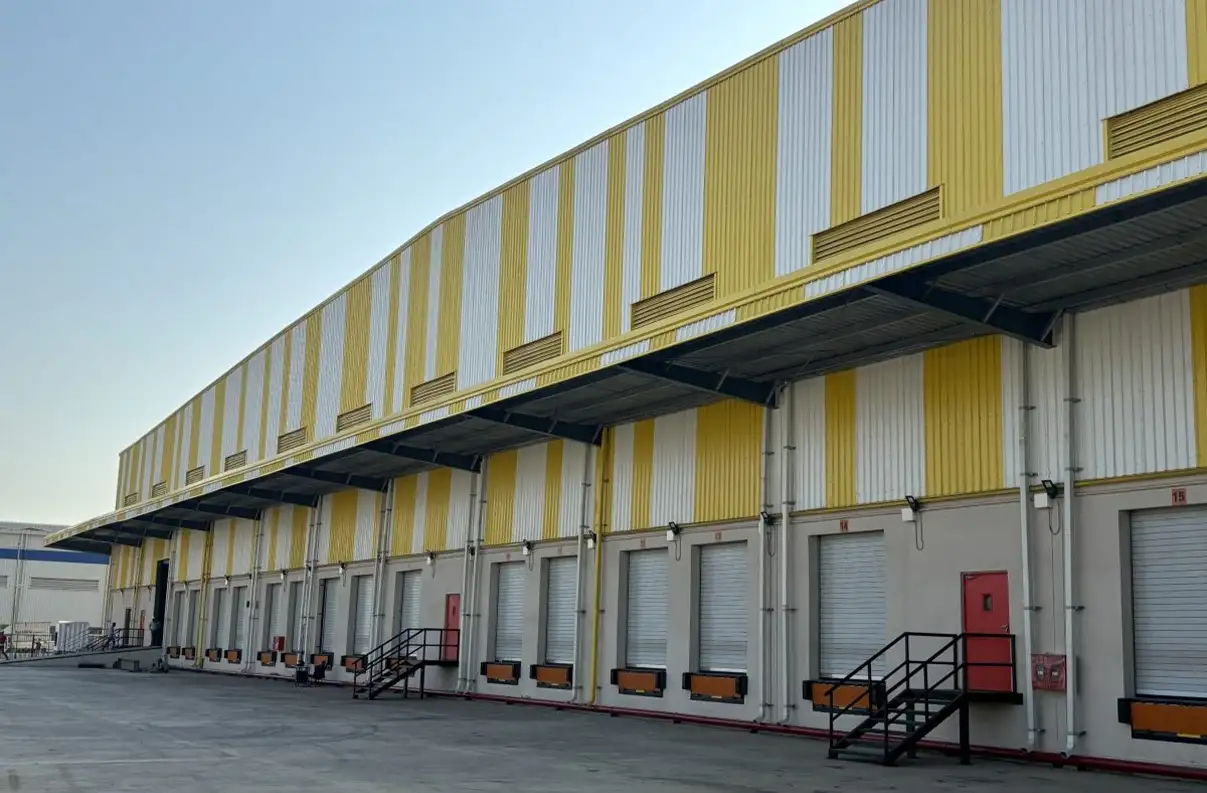
Limited automated, Grade-A warehousing (only ~18% per Knight Frank, 2023)
These factors hinder efficient goods movement, especially in remote and industrial regions.
Regulatory and Compliance Barriers
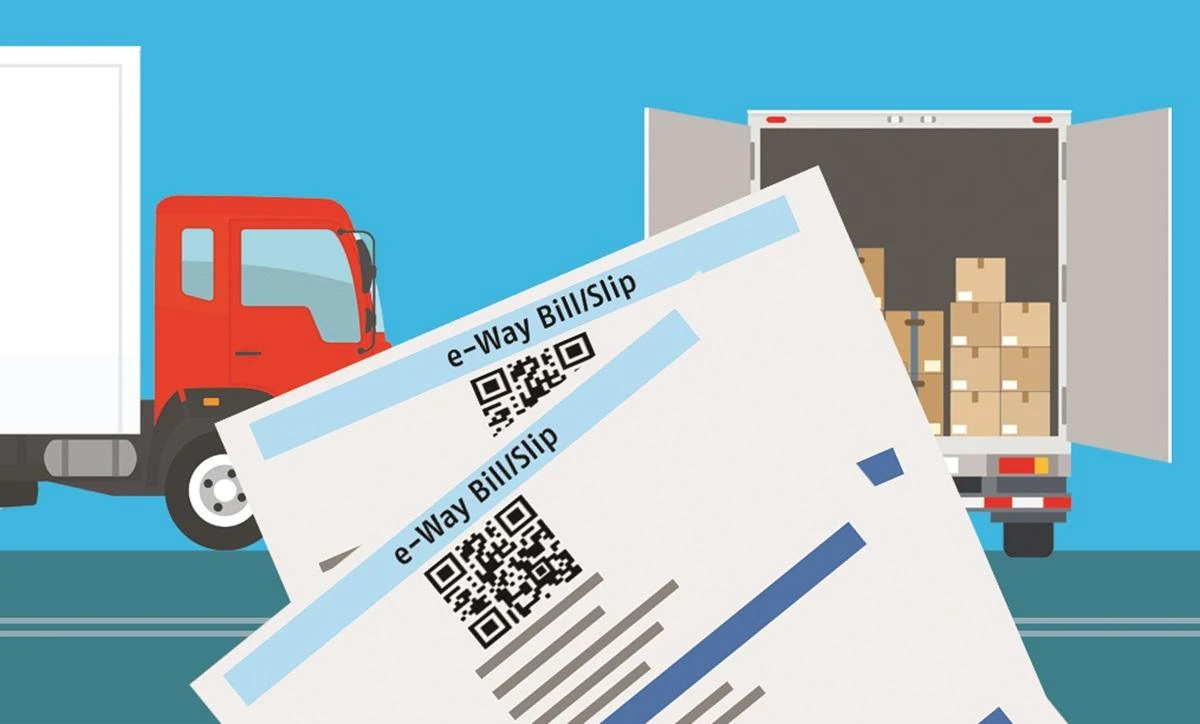
Despite the implementation of GST, interstate logistics still face disruptions due to complex compliance processes, documentation challenges, and varying interpretations by local authorities. Delays from e-way bill verifications and invoicing discrepancies are common.
Labour Shortages and Skill Deficits
India’s logistics ecosystem suffers from a shortage of skilled personnel, especially in:
-
Digital inventory handling
-
Route optimization and transport safety
-
Advanced warehouse management systems
Smaller OEMs and vendors often lack forecasting capability, digital literacy, or financial stability—creating a ripple effect of inefficiencies throughout the supply chain.
Underutilized Technology and AI
Adoption of digital tools remains limited among small and mid-sized manufacturers. Technologies like AI, IoT, and digital twins hold immense potential but are underused. AI can enhance demand forecasting, vehicle routing, warehouse automation, and real-time quality inspections.
-
Tier-2/3 suppliers often rely on manual data management
-
ERP and WMS systems are underutilized or outdated
-
Real-time analytics, digital twins, and predictive logistics remain nascent
Case in point: During the COVID-19 pandemic, firms with digitized supply chains were able to reallocate resources and avoid shutdowns. Others faced cascading delays due to lack of visibility and manual bottlenecks.
Cross-Border Logistics and Export Bottlenecks
Exporters face infrastructure and process challenges, such as:
-
Port inefficiencies and congestion
-
Unpredictable container availability
-
Customs clearance delays
-
Paper-heavy documentation processes
These hurdles reduce export agility and inflow of global orders.
Innovation in Action: Case Studies :
Flipkart's AI-Driven Last-Mile Optimization
Flipkart implemented AI to predict demand, optimize routes, and dynamically manage deliveries. The result:
-
17% reduction in delivery cost
-
20% faster deliveries in Tier 2/3 cities
-
Lower carbon emissions and improved partner utilization
Maersk’s Green Freight Corridors
Maersk invested in green methanol vessels and blockchain-based documentation, achieving:
-
60% emissions reduction
-
90% improved ETA accuracy
-
Faster cross-border processing across 80+ countries
Key Industrial Snapshot :
Cold Chain Logistics
India loses 30–40% of perishables due to inadequate cold storage. Pharma and food sectors are especially affected. Government schemes like PM Gati Shakti aim to improve access, but high refrigeration costs and staffing gaps persist.
Future of Freight: Multimodal and Autonomous
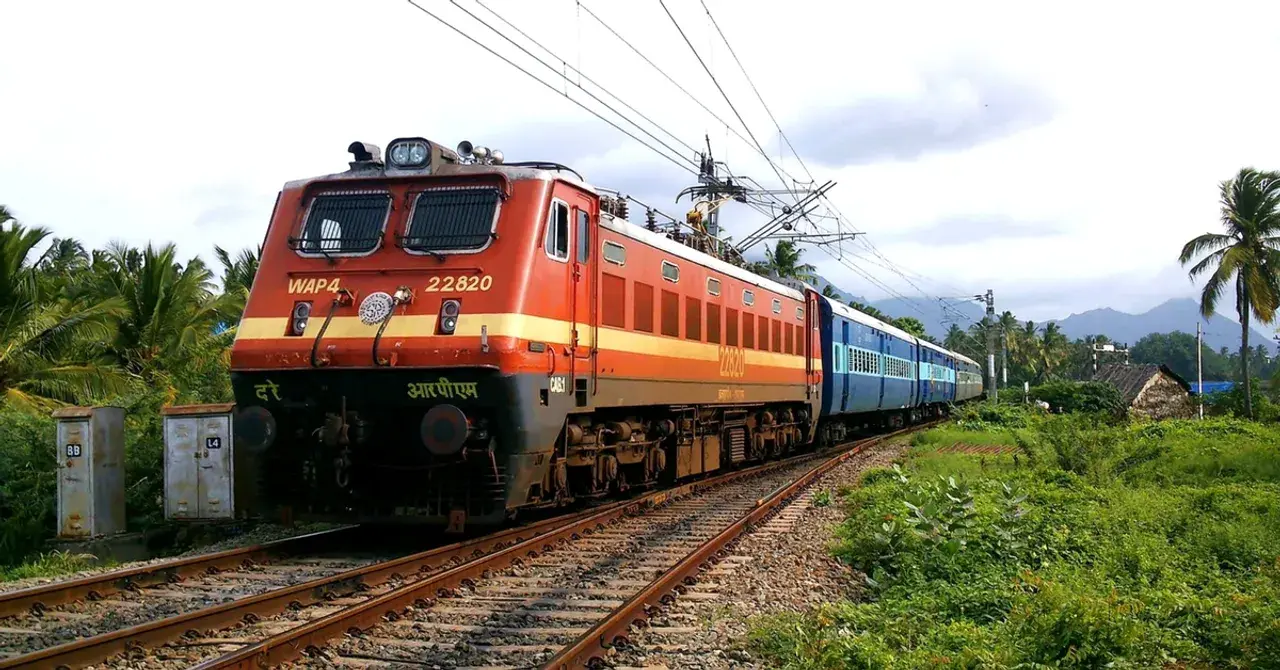
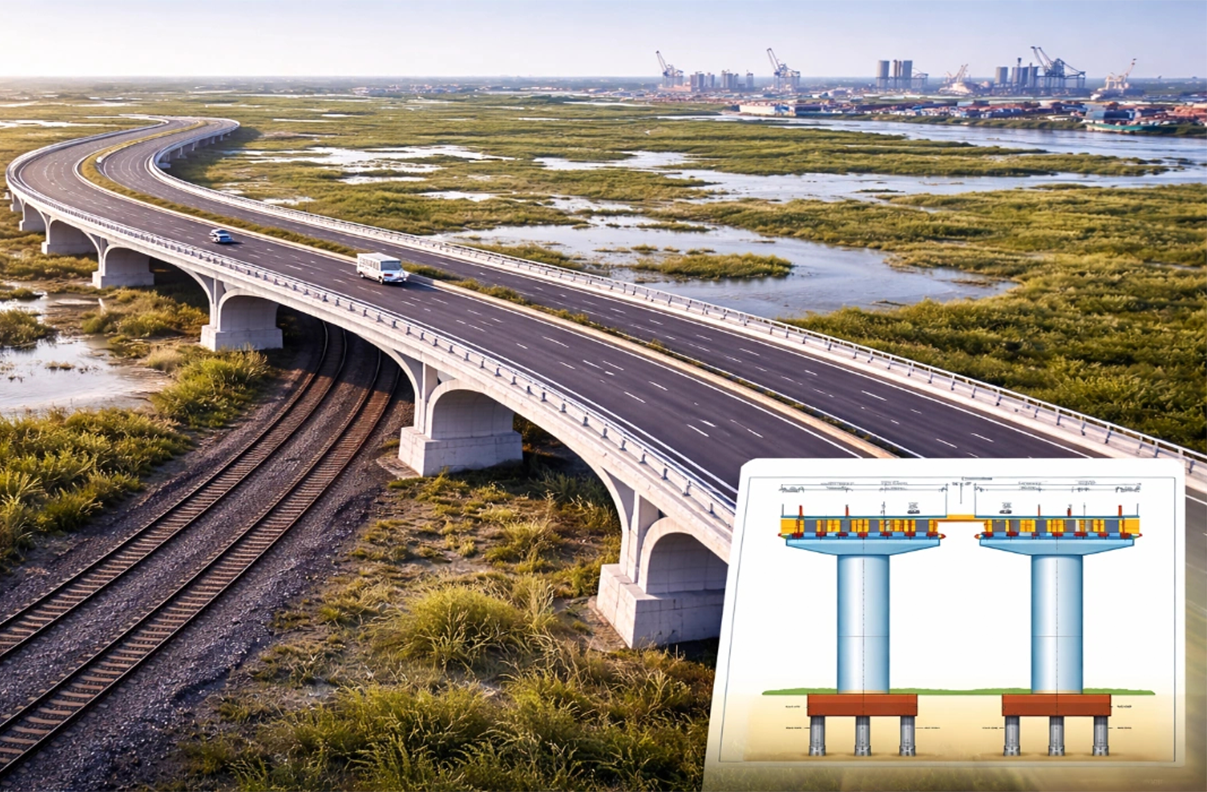
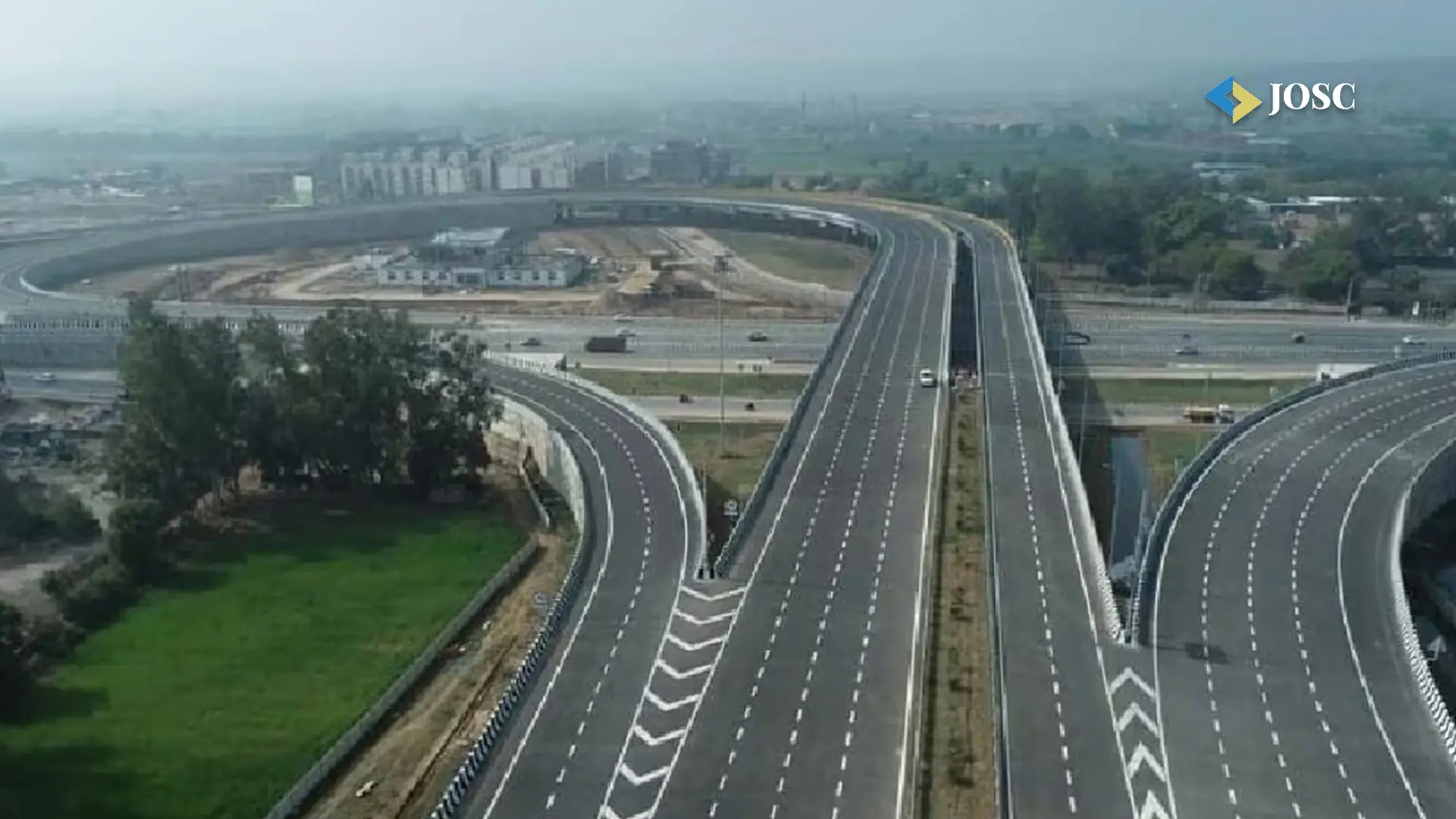
DFCs, multimodal logistics parks, and pilot autonomous freight programs indicate a shift toward more integrated and sustainable logistics ecosystems.
Urban Logistics Innovation
Startups like Dunzo and Shadowfax are reshaping last-mile delivery using EVs and hyperlocal models. Trials of drone and e-bike deliveries show promise but face regulatory and infrastructure challenges.
Global Trends Influencing India
-
Suez & Red Sea disruptions: Affecting inbound logistics and increasing insurance premiums
-
Climate disruptions: Floods and heatwaves are disrupting road freight
-
Geo-political shifts: Driving re-shoring and demand for supply chain resilience
Strategic Recommendations
To address these layered challenges, India must adopt a multi-pronged approach:
Short-Term Interventions:
-
Control tower supply chain models for end-to-end visibility
-
Boost Technology Adoption in MSMEs -Shared warehousing for MSMEs
Government-backed incentives, tax breaks, and subsidized platforms can encourage small manufacturers to adopt AI and IoT solutions.
-
Vendor development programs focused on digital and operational literacy
Skill development centers focusing on supply chain technology and logistics operations are essential, particularly in Tier 2/3 cities.
Long-Term Strategic Shifts:
-
National Logistics Policy (NLP) and ULIP for unified data and modal coordination
- Rolling out NLP and the Unified Logistics Interface Platform (ULIP) can streamline coordination and enhance multimodal logistics integration.
-
Public-Private Partnerships (PPPs) in infrastructure like cold storage and urban logistics hubs
-
ESG-aligned investments in EV fleets, solar-powered warehouses, and AI-driven efficiency
-
National skilling missions in Tier 2/3 cities to close the talent gap
-
India should encourage electric vehicles (EVs), solar-powered warehouses, and AI-driven efficiency models to align with global ESG mandates.
Conclusion :
India’s manufacturing and logistics sector is at a crossroads. To transform from a cost-sensitive production base to a globally competitive value hub, it must untangle the maze of its logistics ecosystem.
With targeted investments, smart policy execution, and digital empowerment, India can convert its logistical complexity into a strategic strength. The future belongs to nations that move goods efficiently and India has every ingredient to lead that future.
Explore the latest edition of Journal of Supply Chain Magazine and be part of the JOSC News Bulletin.
Discover all our upcoming events and secure your tickets today.
Journal of Supply Chain is a Hansi Bakis Media brand.
Leave Comment
Join the community of 150,000+ industry professionals
Subscribe to our Daily Newsletter
Subscribe For FreeBy continuing you agree to our Privacy Policy & Terms & Conditions
Latest