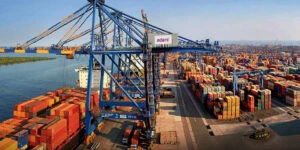
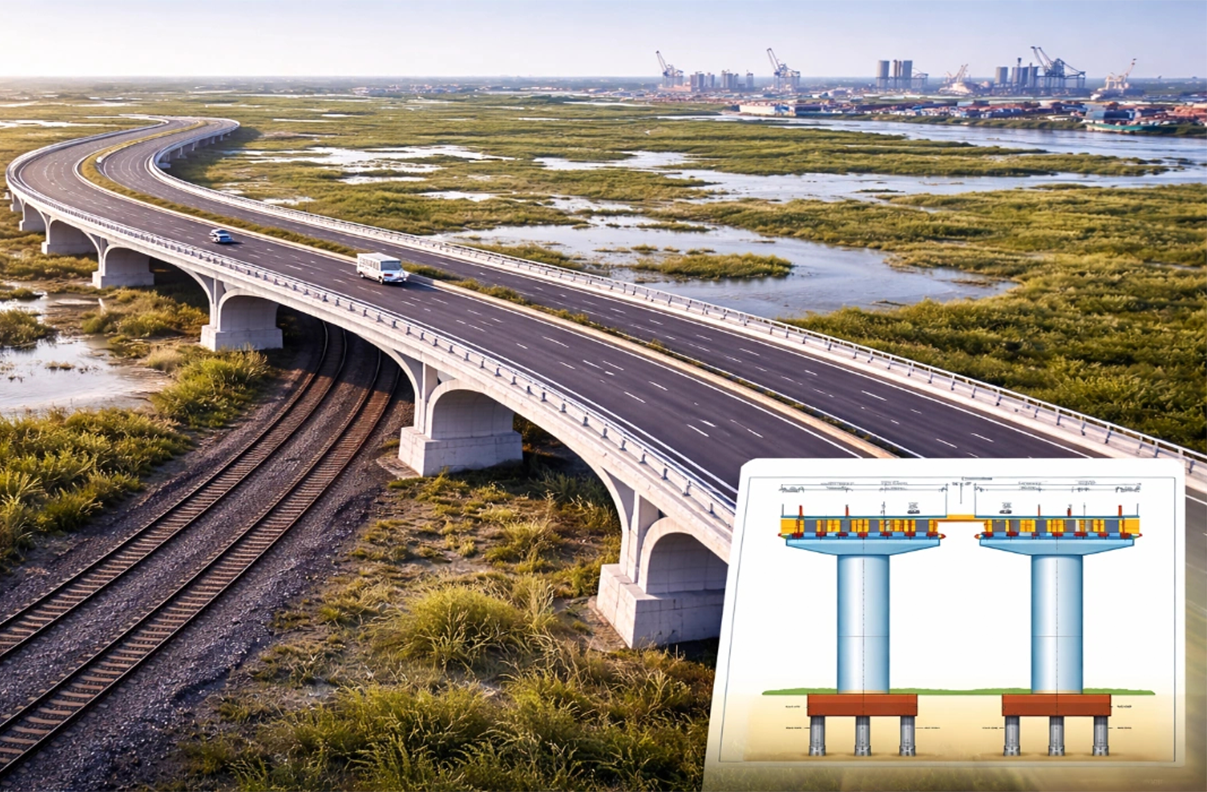
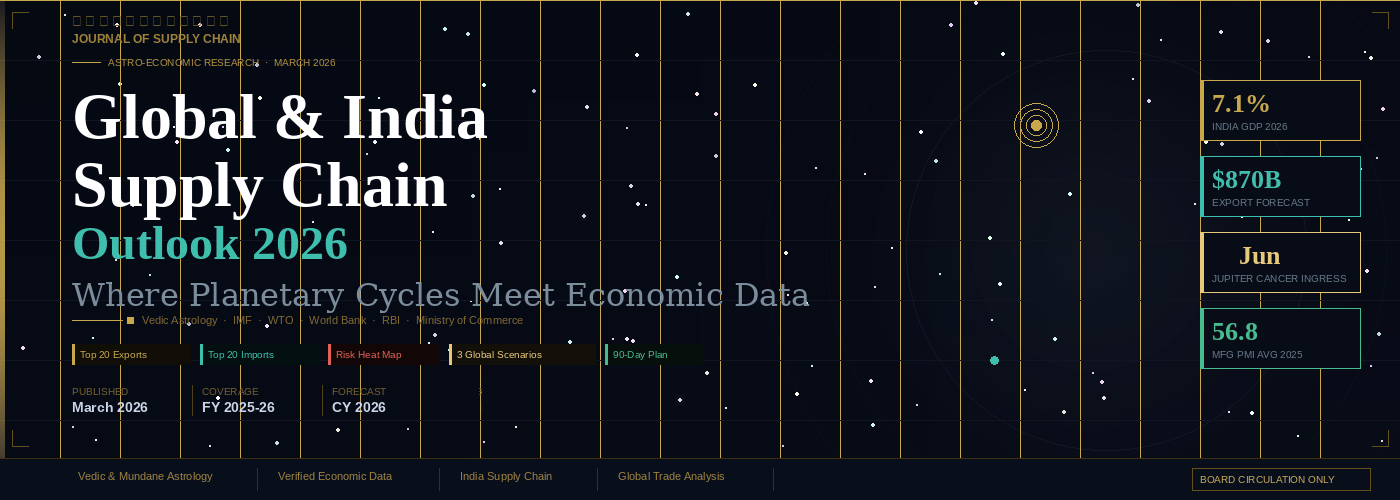
Asia is the world's most rapidly growing region and almost every significant international power wants to expand their horizons here. The Asia Power Index Report 2024 released by Lowy Institute of Australia, a top think tank, has suggested that the power of India in Asia is growing and for the first time, the country has surpassed Japan to bag the third spot. Also, In the past decade from 2014 to 2024, India has taken its place as a Top 5 global economy, on track to soon reach third rank behind only the US and China. However, if the conditions and prospects of India are analyzed regarding its prospects to become a Manufacturing HUB, then various challenges and hurdles hamper this growth. With many obstacles in the logistics sector, which includes roads, railways, air, and ports, it becomes troublesome for businesses to ensure timely transportation of goods to and from the facility. It is to address the problem that the government has offered several development projects for infrastructure, including the National Logistics Policy, the Sagarmala Project, and the Bharatmala Project.
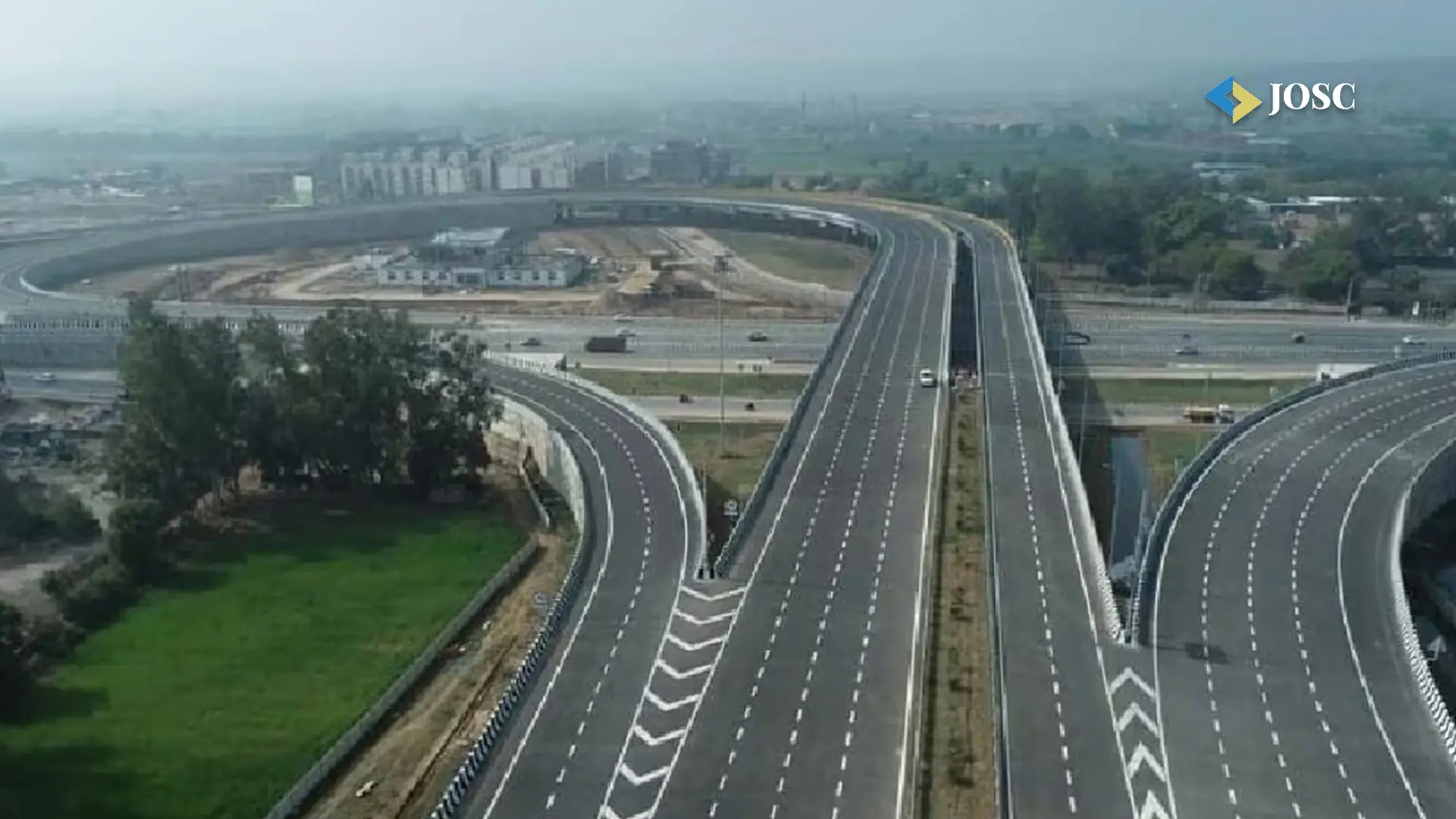
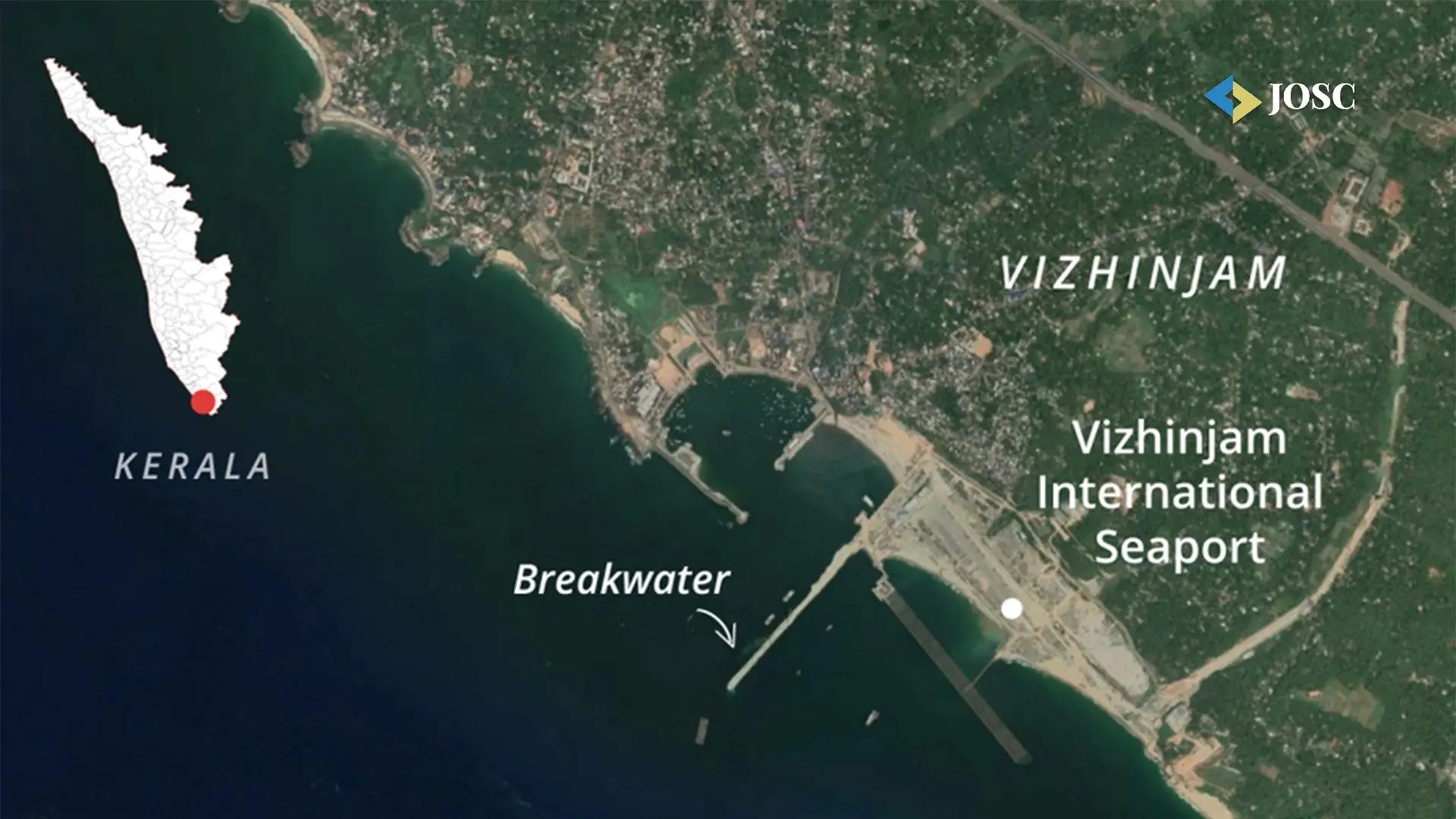
This National Logistics Policy provides cost reduction in India by improving transportation and warehousing services. The Sagarmala Project looks into port development, along with an improvement in the coastal infrastructure, of India. The Bharatmala Project is an attempt to establish a national network of highways linking all major cities and industrial regions of the country. However, Policies like these are already in use in some European countries.
The PLI schemes in strategic industries are incentivizing the expansion of Indian manufacturing and production and making the nation globally competitive. Significant growth has been observed in sectors like pharmaceuticals, heavy chemicals, and electronics. The EV industry got its head start due to various incentives. Expanding the semiconductor industry via large grants to three companies will create a strong foundation for the industry in India while sending a strong signal globally about India’s seriousness regarding business expansion and growth. Bangalore already hosts the largest concentration of 300,000+ chip designers and testers in the world. This will accelerate India’s growth in semiconductors and chip manufacturing.
The ‘Make in India’ scheme has paid significant dividends to India’s export and employment outlook. The country is now the second largest manufacturer of mobile phones globally, with Apple producing $10 billion worth of iPhones in the last ten months itself. Value-added mobile manufacturing has steadily increased from 10% to 25%
The Indian manufacturing industry is confronted by the challenge of a workforce. It has a vast population, but many of its workers do not have the right skills for working in the context of modern manufacturing. To meet this challenge, therefore, it initiated policies to improve vocational training as well as education. On the other hand, India faces competition from countries such as China and Vietnam, which have dug themselves firmly in as a manufacturing powerhouse. These countries are enjoying comfort in cheaper labor and better infrastructure development, which is giving them an advantage over India.
India has some advantages that could help it tackle these challenges and emerge as a manufacturing powerhouse. The nation's predominantly young population offers a significant pool of potential workers. With its wages, India is a cost destination for the manufacturing sector. Furthermore, its strategic location places Asian and European markets within its reach. Leaning forward to exploit this opportunity for the country as an industrial destination would necessarily call for further investment in infrastructure, education, and skill development. The government has to facilitate a framework that attracts investment and encourages innovation. If India manages to overcome these challenges, it is sure to be the launchpad that catapults the nation to become a great manufacturing hub worldwide. This will create employment, and result in increasing economic activity, and quality of life for millions of Indians.
Here's a comparison between India and the rest of the world in the manufacturing sector:
China remains the biggest manufacturing economy in the world with a significant workforce, adequate infrastructure, and an outward welcoming business environment.
Vietnam is an upcoming manufacturing destination with low-cost labour, is politically stable, and has a free trade agreement with the US.
India holds huge promise in terms of sheer manpower and low wages to be a global manufacturing powerhouse. However, it has its obstacles, including infrastructural difficulties and a lack of even skilled workers. Considering all these challenges, India must evolve itself to become a manufacturing superpower.
The government has taken steps in this direction, however, there is much more scope for development. If India manages to unlock its real potential, it will be one of the leading players in the world's manufacturing front.
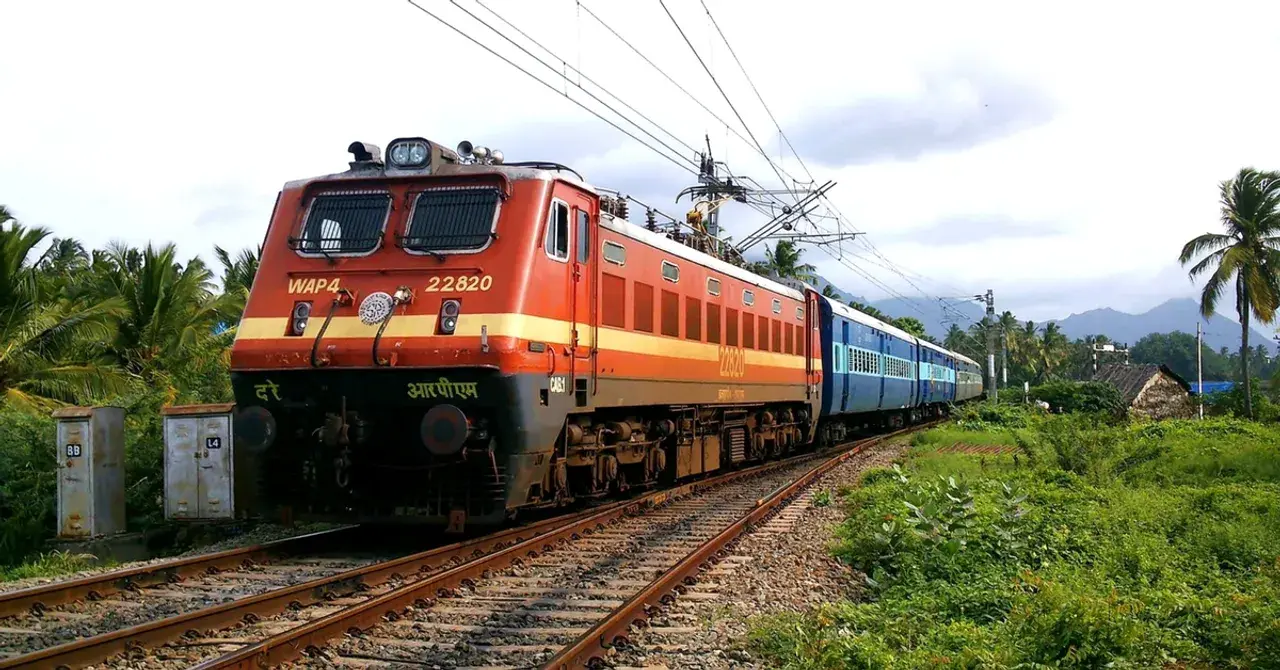
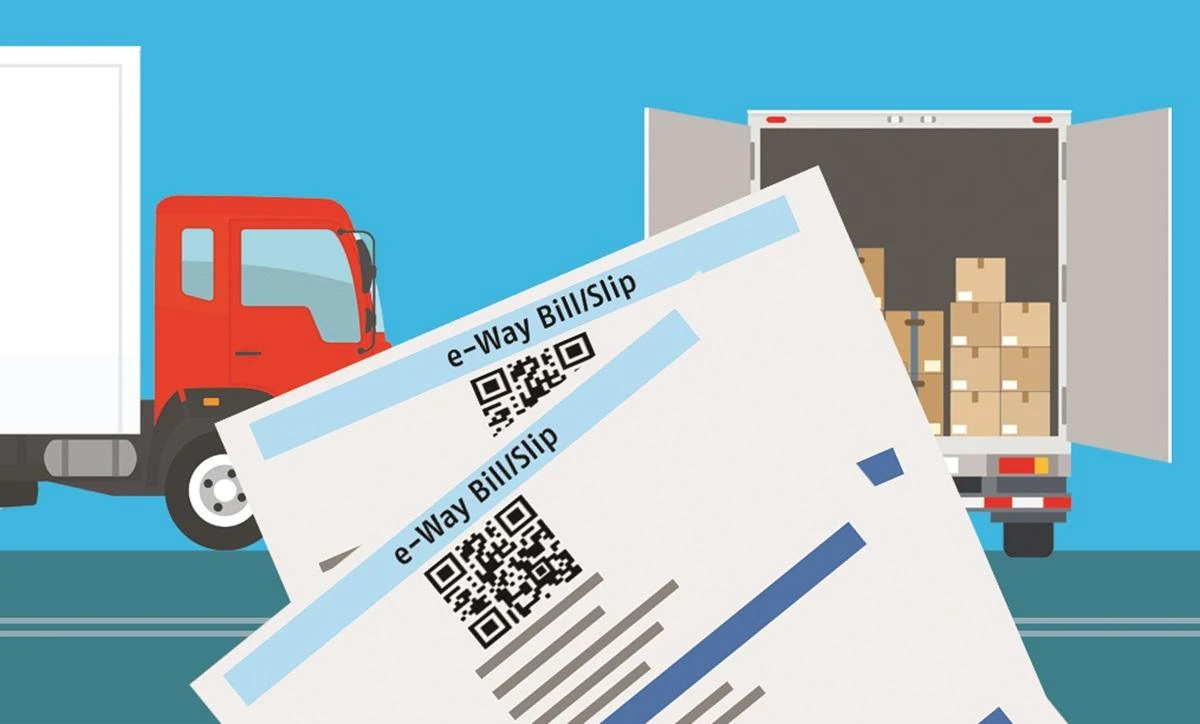
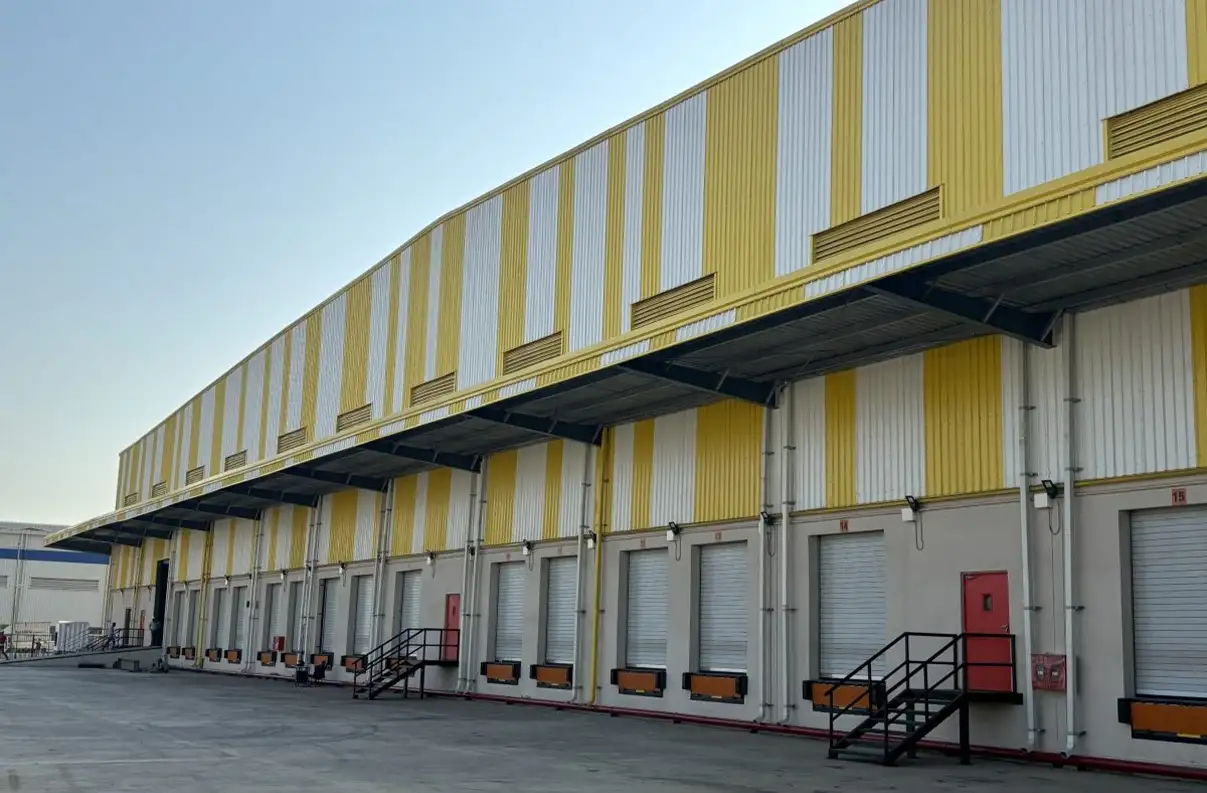
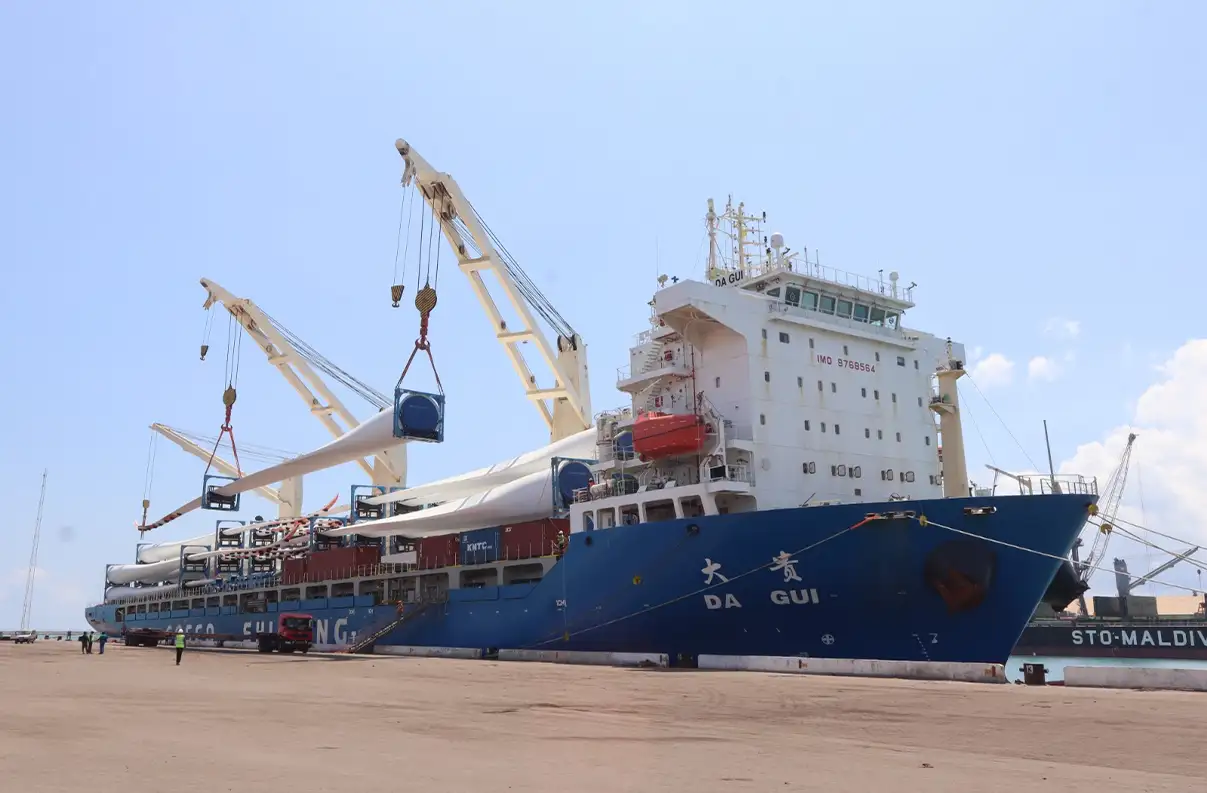
India is one of the few countries worldwide investing over $1 trillion annually in the economy, government and private, combined via Gross Capital Formation. This amounts to a significant 31% of the nation’s GDP. To boost trade activities, significant investments have been made towards increasing the capacities of India’s ports, airports, freight, railways, and other critical aspects of trade-related logistics. The trip from Bangalore to Delhi previously took four days, now it’s possible in two. Goods carriage speeds have exceeded 45kmph, from an average of 25kmph earlier. The Dedicated Eastern and Western Corridors for exclusive goods movement up and down the country have been a game-changer. Between GST and infrastructure development, supply chain costs are reducing from 14% of GDP to 8-9%.
India has all the capabilities to be a manufacturing superpower. However, to develop skills in manufacturing, several issues need to be addressed. In that case, creating a business-friendly environment will help realize its capability and eventually turn out to be a major player in the global manufacturing landscape. The large nation is working to become a 1 trillion economy by 2030.
Explore the latest edition of Journal of Supply Chain Magazine and be part of the JOSC News Bulletin.
Discover all our upcoming events and secure your tickets today.
Journal of Supply Chain is a Hansi Bakis Media brand.
Subscribe to our Daily Newsletter
Subscribe For FreeBy continuing you agree to our Privacy Policy & Terms & Conditions