Article
India's Logistics Lag: A Persistent Challenge
 Anamika Mishra,
Sub Editor
Anamika Mishra,
Sub Editor
The growth of the economy, driven by a high growth rate in urbanization and the increasing spree of e-commerce in India, has put a tremendous burden on logistics infrastructure. While the country has grown significantly over the years, it still lags behind its Asian peers, especially China, in terms of efficiency, cost-effectiveness, and reliability. The repeated gap is long-reaching for business, for consumers, and for the overall competitiveness of the Indian economy.
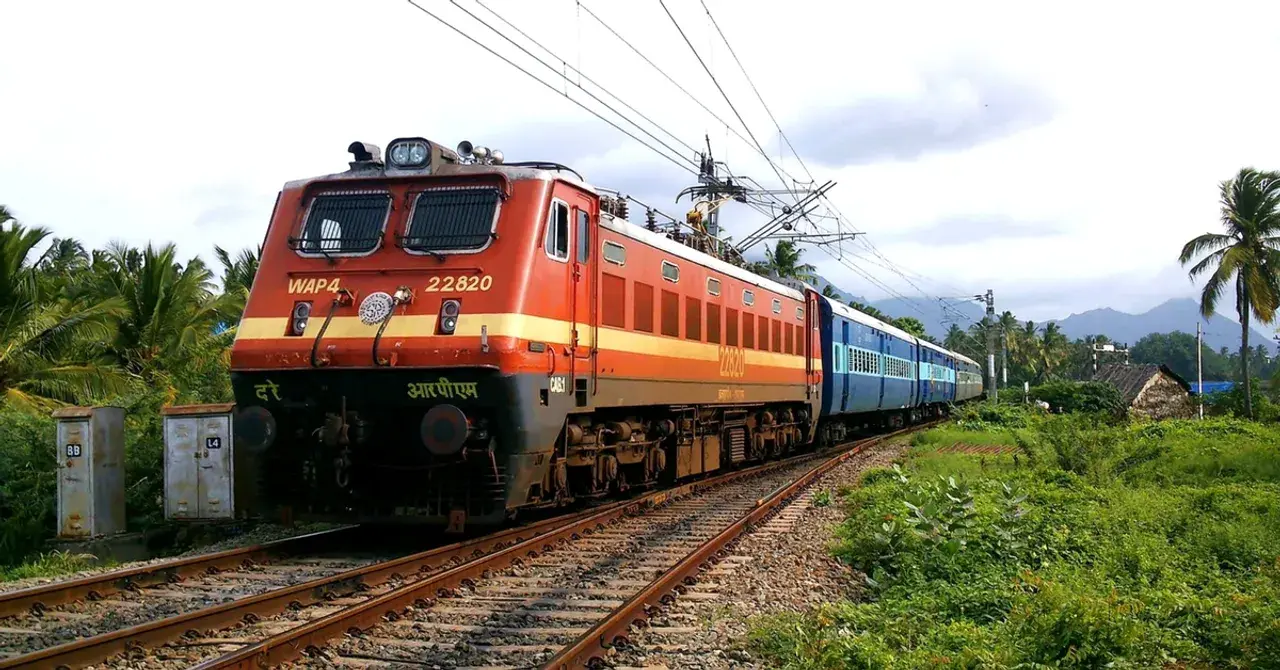
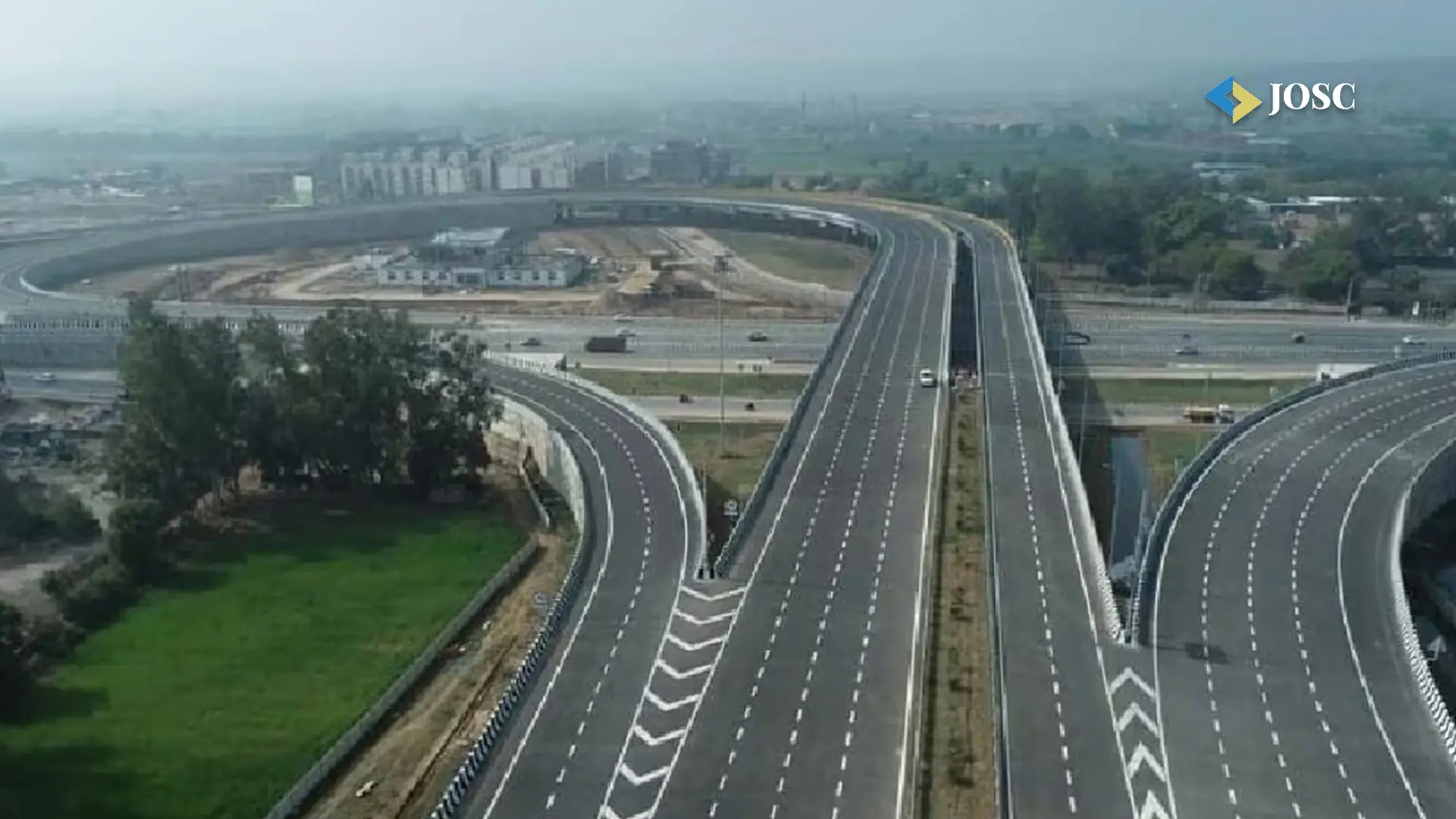
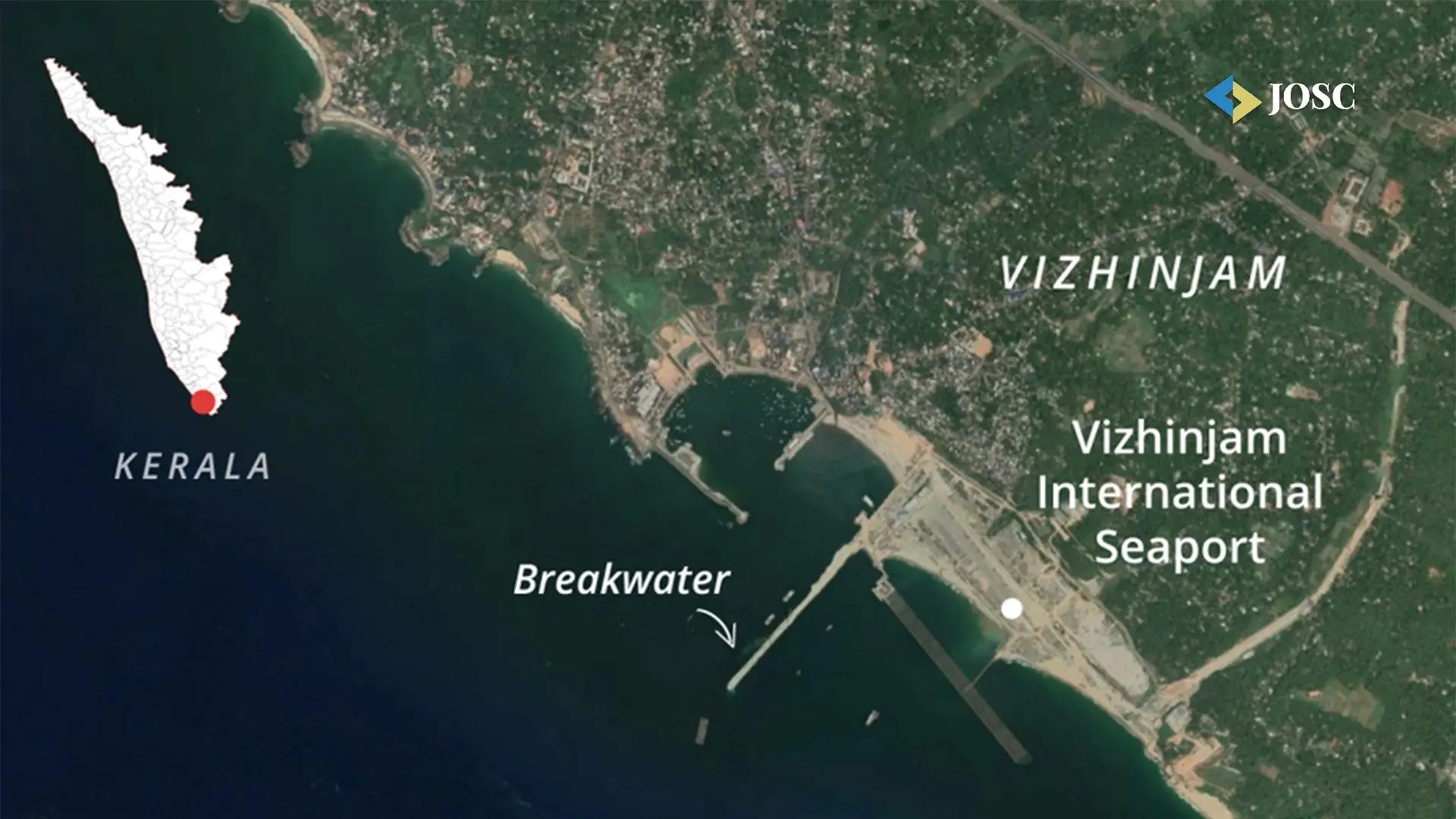
At the heart of India's logistics problems lies underdeveloped infrastructure. Its gigantic network of roads is large but often victims of pathetic conditions, frequent traffic jams, and a lot of nonuniformity. All these factors enhance transit times and transportation costs; risk damage to goods; and contribute to higher costs. Similar is the story with India's railways. Old equipment, unconnected access to remote areas, and inefficiency remain the faces of this sector. Similarly, ports are very strategically important for India, but both congestion and antiquated equipment often, along with bureaucratic delay, entangle this sector.
The Indian logistics sector is highly fragmented, which further aggravates the challenges. The industry remains unorganized, and inefficient handling, lack of standardization, and shipment tracking are some of its inefficient factors. Often, the journey of a product takes on multiple handoffs between different carriers, customs agents, and warehouses, increasing the chances of delays, errors, or damage. This lack of coordination and transparency makes it difficult for businesses operating in this supply chain to predict the delivery times and costs and hence again full of uncertainty and increased risks.
Government policies and regulations are also very crucial to deal with in India's logistical challenges. Such sets of complicated regulations, taxes, and permits at times can really slow down operations, increase costs, and discourage investment. Also, coordination between such government agencies has become a task as logistics policies are hard to implement with effective coordination.
Another constraint is the shortage of skilled manpower in the logistics industry. India has few professionals trained in logistics, supply chain management, and related areas. This would reflect on the overall efficiency of operations and confine the scope of the industry's adaptation towards new technologies and best practices.
In addition to these, the global factors and the domestic policies increase further fuel costs that contribute to logistics challenges in India. Increasing fuel costs have a tremendous impact on transportation costs; it will raise how much resources are used in getting commodities around the country, and that might consequently raise the prices for the consumers and set Indian businesses comparatively less competitive in the global market.
The consequences reach as far as businesses paying higher prices, taking longer for their orders to reach them, and a greater likelihood of supply chains failing to get products on time. Customers will have orders delayed and pay more for products. Ultimately, the competitiveness of the Indian economy is affected because Indian businesses cannot compare to businesses elsewhere in the world whose logistics systems are more efficient.
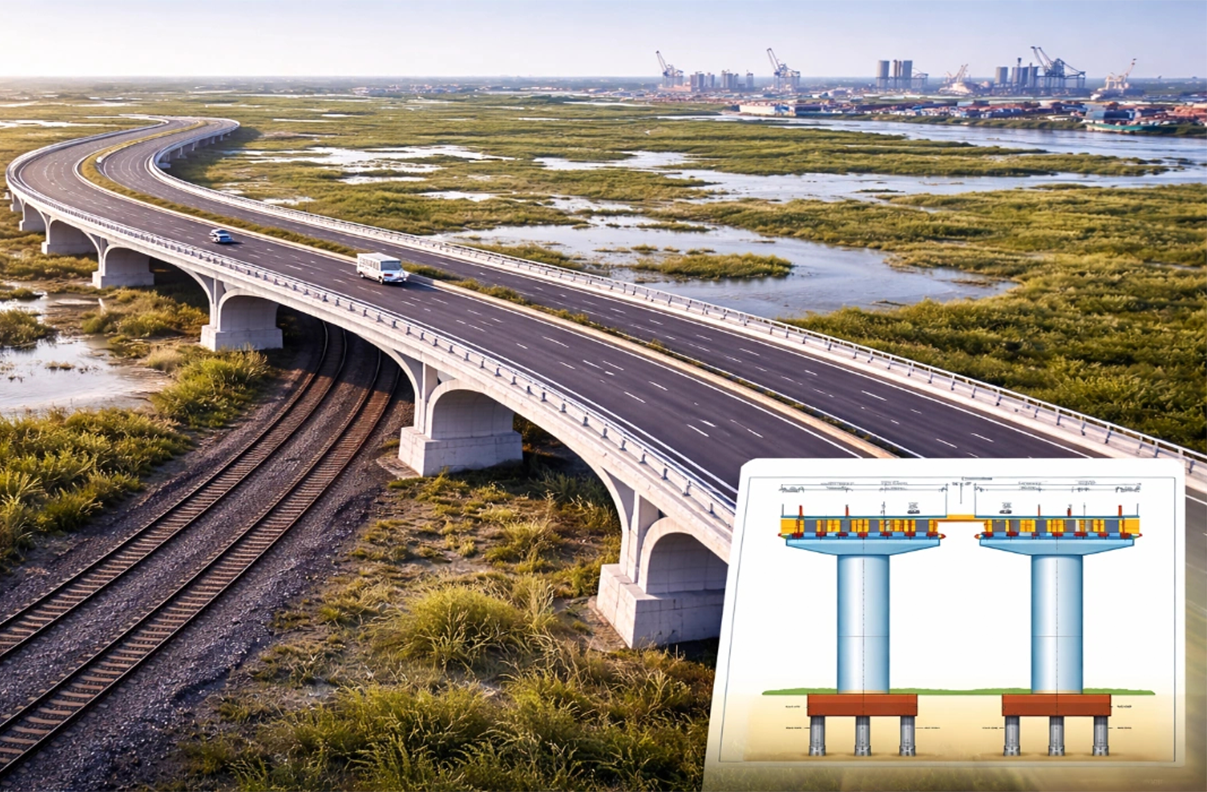
India has undertaken several steps in recent years to combat these challenges. For instance, recently initiated policies like the National Logistics Policy are aimed at contributing toward efficiency and competitiveness in logistics. Infrastructural development has involved road networks, rail, and other ports with a great deal of investment. The Indian government has also worked towards making the logistics management activity more digitized and automated.
After all, the road ahead is long and arduous. A complex interplay of infrastructure, regulatory, and human capital limitations characterizes the logistics sector in India. Work to overcome the interplay of these infrastructure, regulatory, and human capital limitations will necessarily require energetic efforts from the government, businesses, and others.
Most importantly, however, the government would play a very important role by imposing overall policies aimed at improving and updating infrastructures, rationalizing regulations for easier compliance, and facilitating greater digitization. Research and development activities can further also push innovations that can result in greater efficiency in logistics operations. Businesses should find their roles in embracing modern technologies, investing in superior supply chain management capabilities, and coordinating with the best logistics service providers to ensure optimal operation.
Thus, the better adaptation to the new economy and utilizing technology in efficiency and cost-cutting would be key to a successful logistics sector in India. Taking into account these challenges at the outset and embracing innovation could change the face of logistics for India, helping it improve its competitiveness in international markets.
Explore the latest edition of Journal of Supply Chain Magazine and be part of the JOSC News Bulletin.
Discover all our upcoming events and secure your tickets today.
Journal of Supply Chain is a Hansi Bakis Media brand.
Leave Comment
Join the community of 150,000+ industry professionals
Subscribe to our Daily Newsletter
Subscribe For FreeBy continuing you agree to our Privacy Policy & Terms & Conditions
Latest