Article
How Infrastructure Can Turn India into a Global Supply Chain Hub by 2030
 Anamika Mishra,
Sub Editor
Anamika Mishra,
Sub Editor
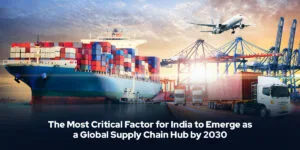
India’s logistics costs are 14% of GDP, but could infrastructure make it a global leader? With its ambitious goal of becoming a global supply chain hub by 2030, the country is strategically positioning itself as the backbone of global trade. But what is the most critical factor that will shape this vision? Let’s explore the intricacies of India’s supply chain aspirations, challenges, and the single most pivotal driver of its success.
The Big Picture: Why India?
India, with its massive population of over 1.4 billion people and a burgeoning middle class, is not just a manufacturing hub but also one of the largest consumer markets in the world. The country’s geographical advantage—being strategically located between Europe and Asia—makes it a natural choice for global supply chain activities.
Recent initiatives such as Make in India, PLI (Production Linked Incentive) schemes, and the National Logistics Policy (NLP) underscore the government’s commitment to strengthening the supply chain ecosystem. However, while these efforts are commendable, the path to becoming a global leader is riddled with challenges, from infrastructure bottlenecks to workforce upskilling.
India’s Supply Chain Challenges
High Logistics Costs
India’s logistics costs are approximately 14% of its GDP, significantly higher than the global average of 8-10%. This makes Indian goods less competitive in global markets.
Infrastructure Gaps
While mega projects like the Delhi-Mumbai Industrial Corridor and Gati Shakti National Master Plan are underway, the country still faces a significant infrastructure deficit in terms of modern ports, highways, and multimodal logistics parks.
Fragmented Supply Chain Ecosystem
India’s supply chain is often plagued by inefficiencies due to a lack of coordination between stakeholders, outdated processes, and limited use of technology.
Environmental Concerns
Sustainability has become a priority in global trade. India must adopt green practices to align with international standards and secure long-term trade partnerships.
The Critical Factor: Infrastructure Development
While multiple factors contribute to building a robust supply chain ecosystem, infrastructure development emerges as the most critical. Without world-class infrastructure, the entire system collapses. Here’s why:
Reducing Logistics Costs
Efficient infrastructure can significantly reduce logistics costs by improving transportation efficiency, minimizing delays, and reducing wastage. For example, better road networks and seamless rail connectivity can cut down transit times drastically.
Enhancing Global Competitiveness
Modern infrastructure—like advanced ports, warehousing facilities, and multimodal hubs—makes Indian goods competitive in global markets by ensuring timely delivery and cost-effectiveness.
Attracting Foreign Investments
Global investors look for stable and efficient infrastructure before setting up operations. The improvement in logistics facilities under programs like Gati Shakti acts as a magnet for multinational corporations.
Conference

Conference

Boosting Domestic Integration
India’s supply chain is as much about domestic integration as it is about global trade. Better connectivity between rural and urban areas ensures that raw materials reach factories on time and finished goods reach markets without delays.
Success Stories: Learning from the World
Countries like China, Singapore, and Germany offer valuable lessons on how infrastructure development has powered their supply chain success.
China: Its world-class ports like Shanghai and Guangzhou, coupled with high-speed rail networks, have made it a global manufacturing powerhouse.
Singapore: Despite being a small island nation, its focus on port efficiency and logistics technology has made it a major supply chain hub.
Germany: Known for its excellent road networks and integrated supply chains, Germany is a leader in industrial exports.
India can emulate these examples while tailoring solutions to its unique challenges.
India’s Infrastructure Push: A Ray of Hope
India is making significant strides in infrastructure development:
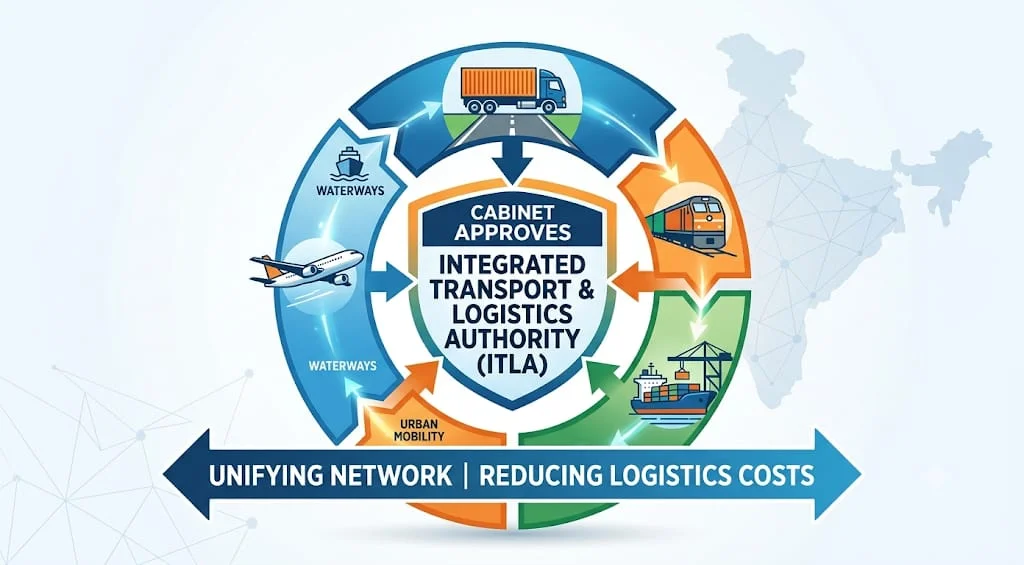
Gati Shakti National Master Plan: Aims to create a unified logistics framework by integrating road, rail, and waterways.
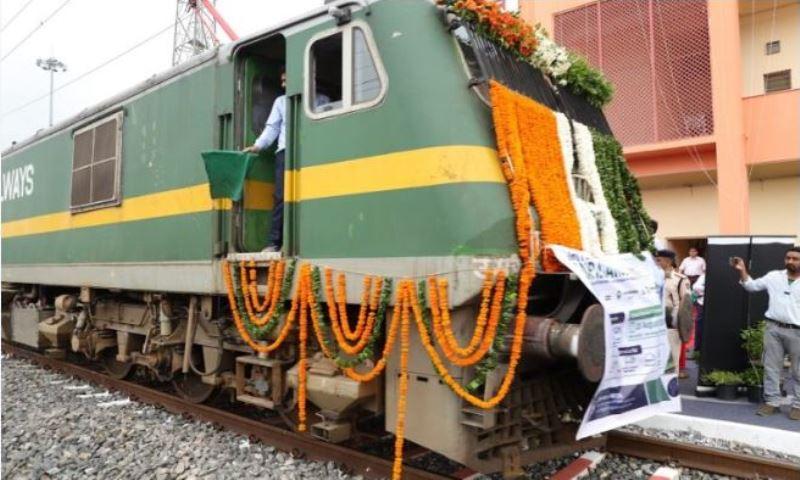
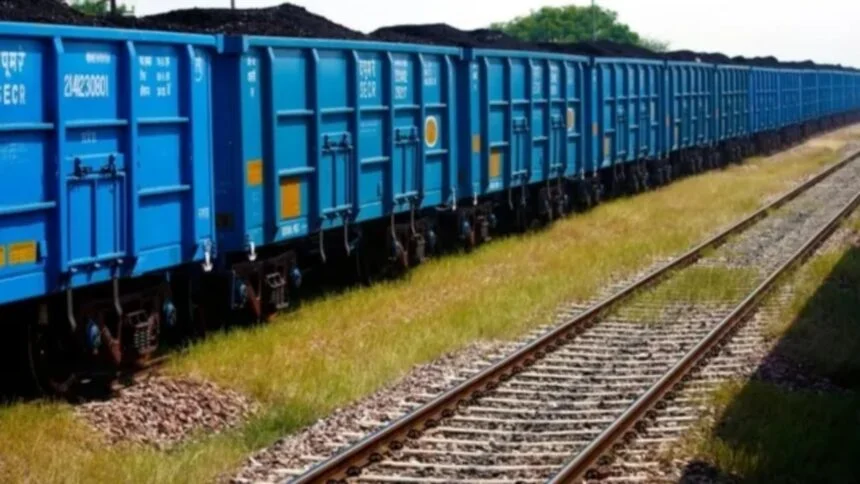
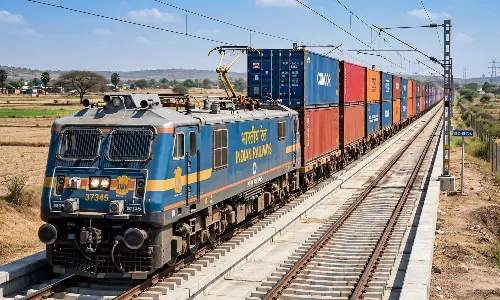
Dedicated Freight Corridors (DFCs): Special rail corridors designed to move goods faster and cheaper.
Modern Ports: Upgradation of ports like Mundra, JNPT, and Vishakhapatnam to handle global volumes.
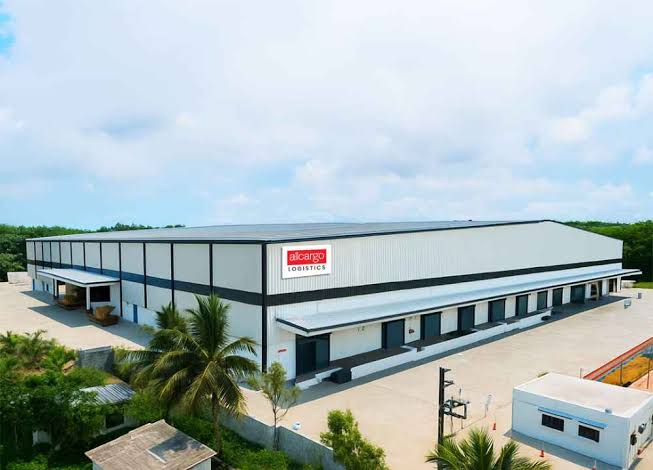
Warehousing Revolution: Development of Grade A warehouses in key locations like Delhi NCR, Bengaluru, and Mumbai.
Technology: The Supporting Pillar
While infrastructure is the backbone, technology acts as a force multiplier. Advanced solutions like IoT (Internet of Things), AI (Artificial Intelligence), and blockchain can enhance the efficiency of physical infrastructure.
The Human Touch: Stories of Change
Take the example of Ramesh, a small business owner from a rural village in Tamil Nadu. Ramesh struggled to get his organic produce to markets in big cities due to poor road connectivity and lack of cold storage. With the development of better infrastructure under the Bharatmala Project, he can now access state-of-the-art logistics parks, ensuring his products reach consumers fresh and on time.
Such stories highlight how infrastructure development is not just about trade but also about transforming lives.
What Lies Ahead
To truly become a global supply chain hub by 2030, India must adopt a holistic approach:
Accelerate Infrastructure Projects
Fast-track the completion of ongoing projects like DFCs, industrial corridors, and logistics hubs.
Integrate Sustainability
Incorporate green technologies like solar-powered warehouses and EVs for transportation.
Strengthen Public-Private Partnerships (PPPs)
Leverage private sector expertise and investment to complement government efforts.
Upskill the Workforce
Train workers in advanced supply chain technologies to bridge the skills gap.
Promote Global Trade Partnerships
Forge stronger trade relations through bilateral agreements, focusing on reducing tariffs and ensuring seamless logistics.
Lastly, the road to becoming a global supply chain hub by 2030 is challenging but achievable. While multiple factors like policy reforms, technology, and workforce development are essential, infrastructure development stands out as the linchpin.
India’s supply chain journey is not just about building roads and ports; it’s about creating a seamless network that connects every part of the country to the global marketplace. It’s about empowering small businesses, reducing costs, and ensuring sustainability.
If India gets its infrastructure right, it won’t just become a hub; it will redefine global supply chains. The dream of 2030 is within reach, and with the right focus, India can lead the world into the future.
Explore the latest edition of Journal of Supply Chain Magazine and be part of the JOSC News Bulletin.
Discover all our upcoming events and secure your tickets today.
Journal of Supply Chain is a Hansi Bakis Media brand.
Leave Comment
Join the community of 150,000+ industry professionals
Subscribe to our Daily Newsletter
Subscribe For FreeBy continuing you agree to our Privacy Policy & Terms & Conditions
Latest



Feature Articles


Related