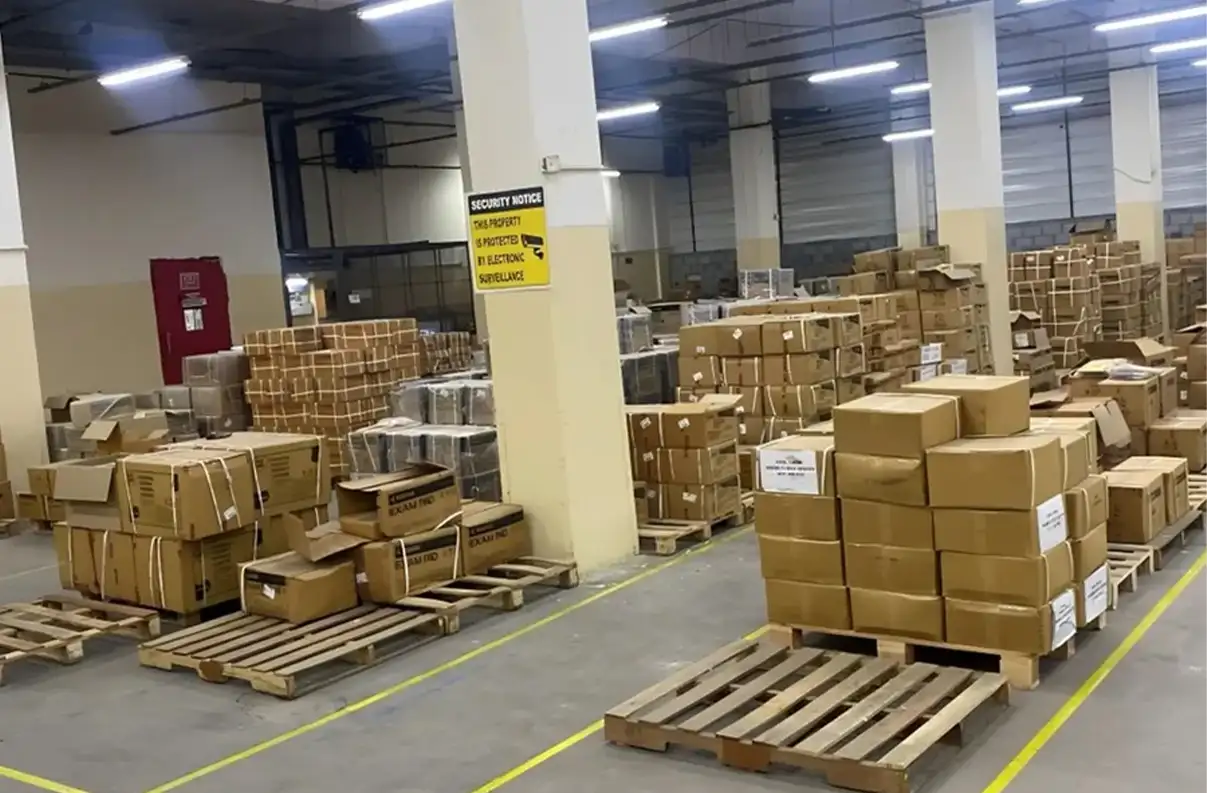
In today’s fast-paced world of global commerce where goods are ordered with a tap, shipped across continents overnight, and delivered to doorsteps in record time, it’s easy to marvel at the technology and systems driving this efficiency. Yet, behind this seamless flow of products lies a vital, often unseen workforce: warehouse employees.
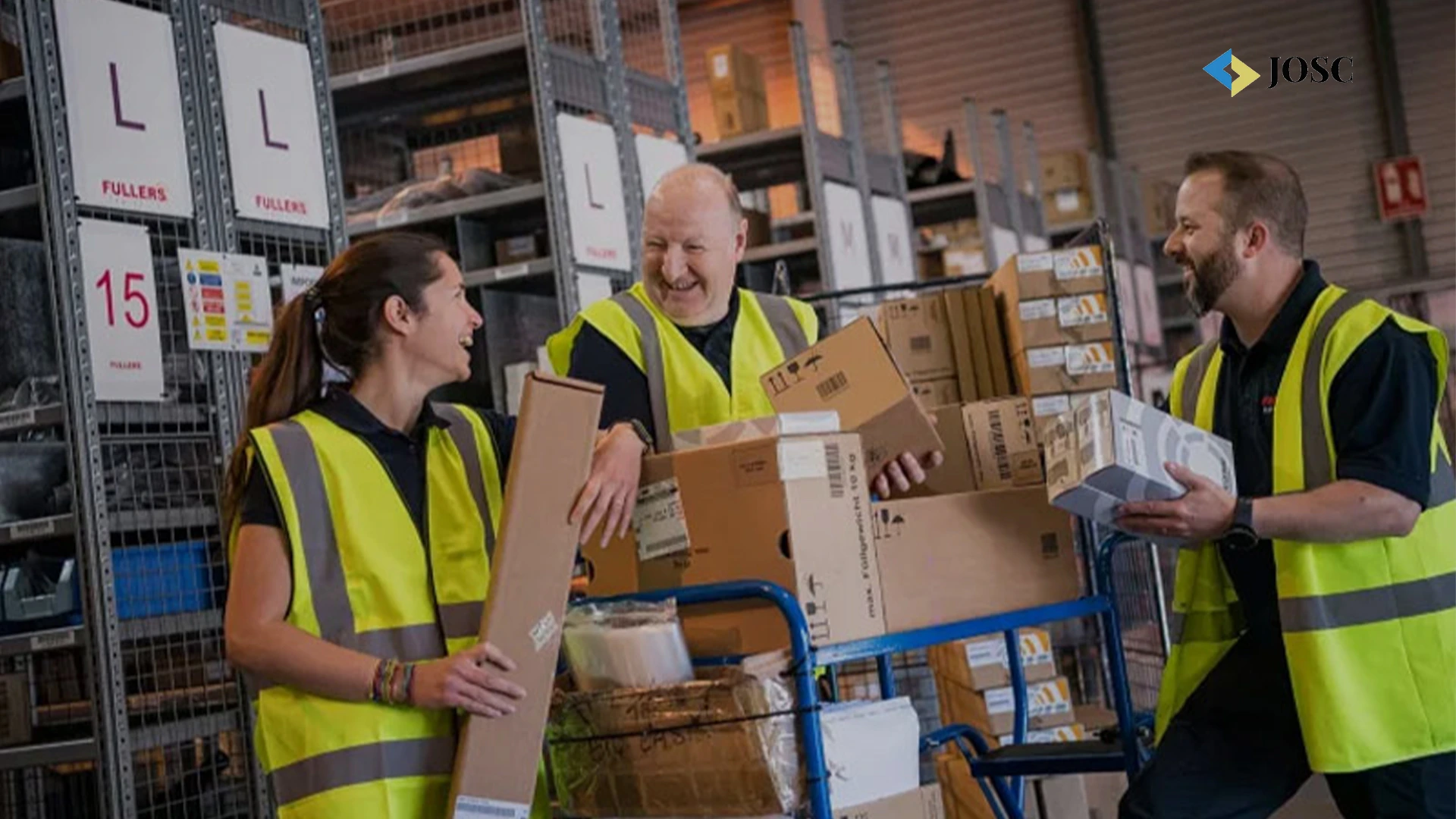
These individuals form the backbone of the logistics and supply chain industry. Whether it’s a high-tech fulfillment center in Bengaluru, a bustling regional warehouse in Delhi, or a cross-dock hub in Rotterdam or Chicago, warehouse employees play a critical role in ensuring that supply meets demand with accuracy and speed. From early morning shifts to late-night operations, they are the ones who receive, sort, store, pick, pack, and dispatch millions of goods every single day.
Their work may not be in the public eye, but its impact is everywhere in the groceries you buy, the gadgets you order, and the medicines delivered to hospitals. Every efficient delivery depends on their ability to move with precision, respond to dynamic workloads, and maintain exceptional standards of quality and safety.
In a sector increasingly shaped by automation, artificial intelligence, and robotics, the human element remains irreplaceable. Warehouse employees bring problem-solving, situational awareness, adaptability, and teamwork qualities that technology can support but not replicate.
They are more than labourers, they are logistics professionals, deeply embedded in the global supply chain's heartbeat. Without them, the wheels of commerce would grind to a halt.
This article takes you inside a day in the life of warehouse employees, the quiet heroes who ensure that the global economy moves forward, one order at a time.
6:00 AM- Arrival and Preparation
As the warehouse opens, employees start streaming in. Some arrive by shuttle buses, others on motorcycles, and some on foot from nearby neighbourhoods. Morning check-in is quick a scan of their ID badge logs them into the warehouse management system (WMS), tracking their hours and task assignments.
Most warehouses today operate in shifts morning, evening, and sometimes overnight. Regardless of shift timing, employees arrive a few minutes early to stow personal items, change into their high-visibility vests, gloves, and safety shoes, and mentally prepare for a day that demands focus, speed, and stamina.
6:30 AM- Daily Briefing and Safety Check
Every day begins with a team huddle led by a supervisor or shift lead. In this short meeting, employees are briefed on:
Safety is a top priority. Forklifts, conveyor belts, and high stacks of inventory can pose real dangers if precautions are ignored. A warehouse employee’s ability to remain alert is as critical as their physical performance.
7:00 AM- Start of Shift: Diverse Roles in Motion
As the day begins in earnest, the warehouse comes alive.
Pickers
Using handheld barcode scanners or voice-directed systems, pickers receive real-time lists of items to retrieve. These lists are generated by e-commerce platforms, retailers, or internal replenishment requests. Pickers move quickly through storage aisles, scanning and placing the correct products into totes or carts.
Packers
Once items are picked, packers take over. Their job is to verify, box, and label products securely and efficiently. Fragile items require careful handling. Perishable goods may require cold chain packaging and specialized materials.
Loaders & Dock Staff
At the docks, loaders receive packed orders and stack them into delivery trucks based on destination and delivery priority. Here, speed and precision matter most an error in loading can delay an entire route.
Forklift Operators
Certified forklift operators navigate narrow aisles, lifting heavy pallets onto racks or into inbound/outbound bays. Their coordination with ground staff and inventory controllers is crucial to maintaining flow.
Inventory Controllers
They are responsible for cycle counts, stock accuracy, and investigating discrepancies. Using warehouse management software, they ensure every item is in the right place, with the right count, and the right label.
10:00 AM- First Break: Recharge and Regroup
Most warehouses provide scheduled breaks to manage fatigue. Employees head to break rooms to sip tea or coffee, eat snacks, and relax. Conversations are lively ranging from family updates and local news to supply chain innovations and career opportunities.
Despite the physical demands, many employees find the work satisfying. “We may not be in the spotlight, but we make sure everything gets where it needs to go,” says one employee. “We are the link between the factory and the front door.”
10:30 AM-Mid-Morning Momentum
After the break, the momentum builds. Orders start surging, especially in e-commerce and retail distribution warehouses. The key performance indicators (KPIs) order accuracy, time per pick, packing efficiency, and dock throughput are closely monitored in real time.
Employees work collaboratively, communicating via wireless headsets, handheld devices, or gestures. In smart warehouses, real-time data dashboards track performance, flagging bottlenecks or inventory errors.
For many employees, this part of the day is a test of rhythm and resilience. It’s not about racing it’s about consistency, precision, and endurance.
12:30 PM- Lunch: A Moment to Pause
Lunch is a welcome break. In larger facilities, canteens offer hot meals, while others allow employees to bring food from home. Conversations continue about families, music, cricket, work goals, and the ever-evolving world of supply chain management.
There’s also pride. Many employees have grown within the system from picker to inventory lead, from loader to logistics coordinator. Some attend supply chain development programs or receive on-site training in warehouse technology and software.
1:15 PM- Inbound Shipments and Quality Checks
Post-lunch, many employees shift to receiving operations. Large trucks arrive with inventory that must be unloaded, verified, and stocked. Employees check delivery manifests, inspect for damages, and scan products into the WMS.
This phase is critical. A single mislabelled or misplaced item can disrupt the entire picking and packing process. Some warehouses use AI-powered scanners and digital supply chain tracking systems to reduce human error.
Quality control staff are vigilant. They work closely with warehouse employees to flag issues, quarantine damaged goods, and report back to suppliers if needed.
3:00 PM- Peak Dispatch Hours
By mid-afternoon, dispatch activities hit their peak. Pallets are wrapped, shipments sealed, and last-mile delivery routes loaded. Employees coordinate with delivery partners, logistics tech platforms, and transport managers.
Every action is time-sensitive. Supply chain demand planning is driven by real-time data. Missing a dispatch window could mean delayed deliveries, canceled orders, or customer dissatisfaction.
Employees often rotate across roles, lending support where volume is highest. Adaptability is valued in a warehouse and so is teamwork. When one department lags, others step in.
5:00 PM- End-of-Shift Cleanup and Handover
As the shift nears its end, employees begin end-of-day routines:
The warehouse begins to quiet down. Supervisors review the day’s metrics and share highlights fastest picker, zero-error packers, highest dispatch accuracy. Recognition may be informal, but it matters deeply.
For night-shift employees just arriving, the cycle begins again.
The Bigger Picture: Warehouse Workers in the Supply Chain
The work may appear repetitive, but warehouse employees are far from replaceable. Their roles are evolving with technology:
In e-commerce, pharma, cold chain logistics, and retail every sector depends on their accuracy and reliability.
Challenges and Opportunities
Warehouse work is demanding. Long hours, physical strain, tight deadlines, and the pressure of accuracy are daily realities. But it also offers:
As supply chains become more digital, the need for adaptable, tech-savvy warehouse workers is rising. Smart warehouses will always need smart people people who understand flow, teamwork, and detail.
The Human Engine of Logistics
As discussions about the future of supply chain management increasingly center around artificial intelligence, automation, robotics, and the Internet of Things (IoT), it’s easy to overlook the essential human element that still drives this complex system forward, the warehouse employee.
Behind the scenes of every seamless e-commerce transaction, just-in-time inventory delivery, or next-day package drop lies the hard work and precision of thousands of warehouse workers. These individuals may not appear in headlines or strategy presentations, but they are the real-world link between supply and demand, the ones who make modern logistics possible.
From scanning barcodes and picking orders to packing fragile goods, loading delivery trucks, resolving stock discrepancies, and operating heavy equipment, warehouse employees manage critical tasks that machines alone cannot replicate. Their roles require a unique combination of physical stamina, attention to detail, real-time decision-making, and adaptability to changing volumes, technologies, and processes.
Technology is certainly transforming the warehouse smart shelves, autonomous forklifts, predictive analytics, and AI-driven inventory systems are all reshaping operations. But these innovations function best when guided by the experience, responsiveness, and judgment of human workers. Even the most advanced systems rely on people to monitor them, troubleshoot issues, ensure safety, and continuously improve workflows.
Warehouse employees are not simply parts of a larger machine; they are the engine that keeps the supply chain running. Their labour ensures that groceries reach supermarkets, medicines arrive at hospitals, spare parts get to factories, and online orders show up at doorsteps. Every product on a shelf or in a box carries the unseen yet indispensable imprint of a warehouse worker.
They are the unsung heroes of the global economy professionals who quietly lead from the ground, often under demanding conditions, without whom no supply chain would ever function. As the logistics industry looks to the future, it must remember that true progress blends technology with human capability, not one at the cost of the other.
Recognizing, supporting, and investing in warehouse employees is not just good practice, it’s essential for building a resilient, efficient, and inclusive supply chain. Because while automation can optimize movement, it is human hands and minds that continue to fulfill the promise of logistics.
Explore the latest edition of Journal of Supply Chain Magazine and be part of the JOSC News Bulletin.
Discover all our upcoming events and secure your tickets today.
Journal of Supply Chain is a Hansi Bakis Media brand.
Subscribe to our Daily Newsletter
Subscribe For FreeBy continuing you agree to our Privacy Policy & Terms & Conditions