Article
The Rise of ECommerce and its Radical Impact on the Supply Chain Industry
 Anamika Mishra,
Sub Editor
Anamika Mishra,
Sub Editor
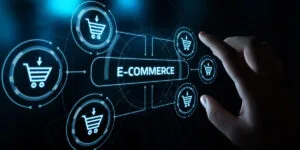
Today, the society is a very fast-paced world, where everything is digital-first, where convenience is a luxury, and time is no less than a luxury for few. The growth of e-commerce during the past decade has made a complete metamorphosis in our shopping, living, and working patterns. But at the same time, it has also disturbed another industry in this world: the supply chain industry.
Shopping was once restricted to a physical store. One would go buy a thing and wait in line to check out. With the advent of online shopping platforms like Amazon, eBay, and Alibaba, that everything changed drastically. Suddenly, anything, be it shoes or gadgets, or a designer handbag, could be ordered from within the comfort of home with some mouse clicks. This indeed translated into humongous possibilities for faster, more efficient, and transparent supply chains.
The Need for Speed
One of the biggest drivers behind the transformation of supply chains is the growing expectation for speed. Consumers, conditioned by e-commerce giants like Amazon’s Prime delivery, now expect their orders to be processed and shipped faster than ever before. This has put immense pressure on the supply chain to adapt, innovate, and evolve in real time.
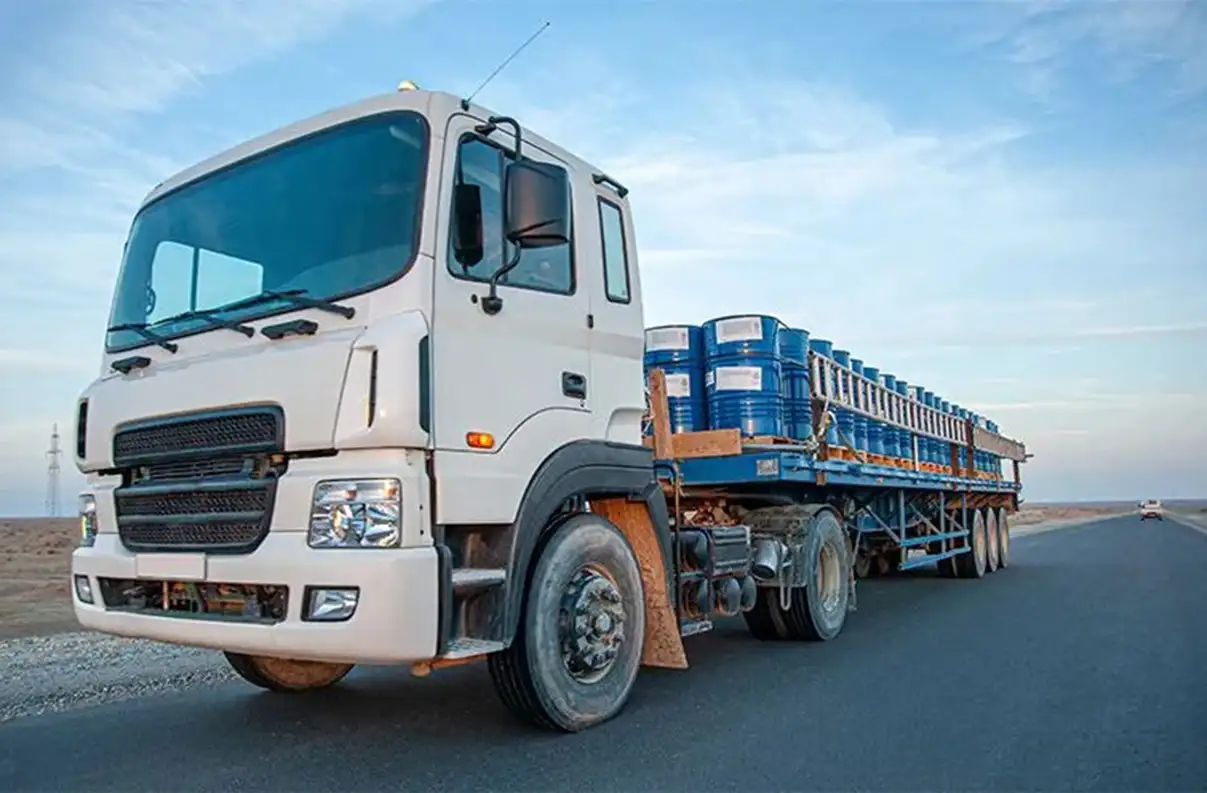
Next-day and even same-day deliveries are no longer a luxury; they’re a necessity. Warehouses, fulfillment centers, and distribution hubs have become the new backbone of the supply chain, and they’ve had to scale up to meet the demand for rapid deliveries. Robotics, AI, and automated systems are now integral to operations, enabling companies to pick, pack, and ship goods at lightning speed.
However, this drive for speed has come with challenges. The sheer volume of orders, especially around peak times like Black Friday and the holiday season, can cause bottlenecks and delays. E-commerce companies are continuously refining their supply chain strategies to meet the insatiable hunger for quicker deliveries, without compromising on quality or accuracy.
A Global Marketplace Demands Global Solutions
With ecommerce offering a global marketplace, consumers can purchase products from virtually anywhere in the world. Whether it's a handcrafted item from Etsy, a tech gadget from China, or a pair of running shoes from New York, the global nature of the ecommerce market has significantly increased the complexity of supply chains.
In response, companies have adopted multimodal shipping strategies, balancing air, sea, and land transport to move products across the globe. Global logistics providers have had to finetune their systems, ensuring products move seamlessly from one country to another. Customs, tariffs, and regulatory compliance are now critical components of the supply chain process, requiring sophisticated tools and expertise to manage.
The rise of ecommerce has also led to a demand for localized fulfillment centers. Instead of relying solely on large, centralized warehouses, companies are setting up smaller distribution hubs closer to customer populations, allowing them to reduce shipping times and costs. This localized strategy not only improves delivery times but also helps companies reduce their carbon footprint—a growing concern for consumers and businesses alike.
The Shift to Omni Channel Retail
Gone are the days when ecommerce and brickandmortar retail operated in separate silos. Today, consumers want a seamless shopping experience, whether they’re browsing online or walking into a physical store. This shift to an omnichannel retail strategy has pushed companies to rethink their supply chain models.
Inventory management has become more complex. Retailers must now keep track of stock levels across physical stores, online stores, and even thirdparty platforms. The supply chain must be able to fulfill orders from multiple sources, whether it’s shipping from a warehouse, delivering from a retail store, or utilizing a thirdparty logistics partner. This requires sophisticated technology and realtime tracking to ensure accuracy and efficiency.
Additionally, returns have become a key factor in ecommerce. As shopping online often means less certainty about the product’s fit or quality, the number of returns has surged. For the supply chain, this means setting up reverse logistics processes that allow for the efficient return, sorting, and restocking of products.
Conference

Conference

Conference

Conference

Conference

Conference

Summit

The Role of Technology and Data
This technological revolution has brought about tremendous changes. Control ranges from AI assistance in demand forecasting to the end of growing use of blockchain technology for enhancing transparency and traceability across very sophisticated supply chains. With predictive analytics, companies can anticipate spikes in demand and adjust inventory levels accordingly. It creates a desired condition under which a company is less likely to run out of stock as well as have an overstock "reducing" costs and optimizing efficiency.
With the addition of state-of-the-art technology, blockchain has added an exciting dimension to transparency, allowing buyers to track their orders in real time and greater visibility about the movement their products represent. It builds trust and makes fraud and errors in the supply chain less likely to happen. With IoT devices, the state of the items will also be monitored, ensuring desirable conditions of delivery to the destination.
Robots and drones have made warehouse automation a reality. This has undoubtedly changed the speed and accuracy of processing orders; and innovations like autonomous vehicles and delivery drones, among others, are in the offing to reduce processing time even further.
Sustainability and Ethical Sourcing
As the ecommerce industry expanded, sustainability began to go hand in hand with increasing concerns. Also, consumers now want the company from which they are acquiring to assume responsibility for their environmental footprints. This creates increasing public interest in having sustainable sourcing, packaging, and delivery practices.
Such companies are experimenting with ecofriendly packaging, reducing plastics and greener transportation. From electric delivery vehicles to optimized shipping routes for fuel efficiency, the supply chain has become much more aware about its own environmental impacts.
The consumer demand for transparency pushes companies to direct their lenses more toward ethical sourcing. Many want to realize where they get their products, how products being produced, thus creating a need for supply chains based on fair labor practice, responsible sourcing, and traceability.
The Future of Supply Chains
It is very well known that the introduction of e-commerce changed the traditional shape of the supply chain industry. No longer a linear, traditional model, it has metamorphosed into a highly intricate web of processes that are global and digital first. So, the companies are using technology, embracing the concept of sustainability and innovating logistics in order to keep pace with the evolving needs of consumers.
Forward-looking, one can say that invention, swiftness and agility will mark the future of supply chains. With surges in expectation levels with regard to instant gratification, businesses will have to continually re-engineer their supply chains in order to compete. Those integrating artificial intelligence, automating, and maintaining sustainable supply chains will create seamless experiences expected by the digital consumer; the adaptable will thrive.
In this new era, supply chain is not merely moving the goods; it's in seamless, quick, and responsible experiences with ultimate value to the tools available. As it changes so rapidly, one thing is obvious: the journey on e-commerce is not over yet.
Explore the latest edition of Journal of Supply Chain Magazine and be part of the JOSC News Bulletin.
Discover all our upcoming events and secure your tickets today.
Journal of Supply Chain is a Hansi Bakis Media brand.
Leave Comment
Join the community of 150,000+ industry professionals
Subscribe to our Daily Newsletter
Subscribe For FreeBy continuing you agree to our Privacy Policy & Terms & Conditions
Latest






Feature Articles




Related