News
India’s Port Sector Poised For Major Expansion, Set To Add 500 MTPA Capacity Annually Till FY28
 Anamika Mishra,
Sub Editor
Anamika Mishra,
Sub Editor
Anamika Mishra,
Sub Editor
Anamika Mishra,
Sub Editor
India’s ports sector is set for a major expansion, with an estimated annual capacity addition of 500-550 MTPA between FY23 and FY28, according to a report by Motilal Oswal Financial Services.
ANI reported, that this growth will be largely driven by increased handling of petroleum, oil, lubricants (POL), coal, and containerised cargo, reinforcing the sector’s crucial role in facilitating trade.
With 95 per cent of India’s export volumes and 70 per cent of its export values passing through ports, the sector remains vital to the nation’s economic structure.
India’s 7,500 km coastline and 20,275 km of national waterways across 24 states place it in a strategic position in the Indian Ocean, which carries 80 per cent of global maritime oil trade. This gives the country a significant opportunity to strengthen its standing as a key maritime hub.
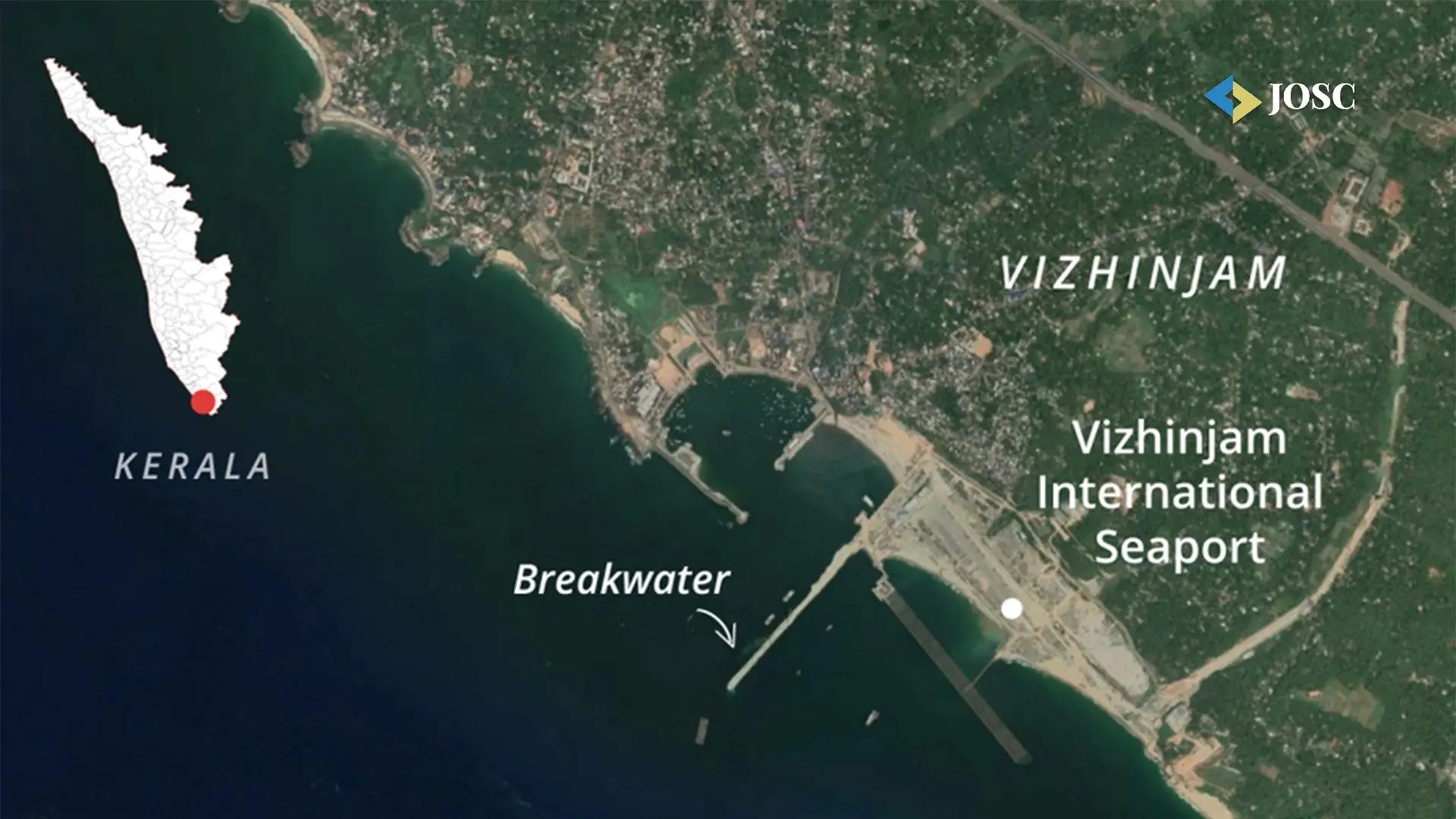
India’s port infrastructure comprises 13 major ports and 205 non-major ports. In FY24, major ports handled 819 MMT of cargo, with figures from April 2024 to January 2025 reaching 699 MMT.
The current sector-wide capacity stands at 2,604 MTPA, with significant expansion anticipated in the coming years.
The report projects that cargo traffic will grow steadily at a rate of 3-6 per cent annually, with utilisation rates stabilising around 55 per cent over the medium term.
Container traffic is expected to expand by 4-7 per cent per year over the next five years, supported by a rise in imports, a decline in freight costs, and the normalisation of global supply chains.
Transshipment, which currently accounts for about 25 per cent of India’s container throughput, remains a key segment, with ports such as Chennai playing a critical role in its development.
The report highlights the distinct roles of major and non-major ports in India’s maritime ecosystem. Major ports, which are overseen by the central government, are predominantly located near industrial hubs and handle a diverse range of cargo.
However, these ports often face congestion due to shared access channels. In contrast, non-major ports, managed by state governments or private entities through public-private partnerships, have demonstrated greater operational flexibility and efficiency, resulting in reduced congestion and improved performance.
Explore the latest edition of Journal of Supply Chain Magazine and be part of the JOSC News Bulletin.
Discover all our upcoming events and secure your tickets today.
Journal of Supply Chain is a Hansi Bakis Media brand.
Subscribe to our Daily Newsletter
Subscribe For FreeBy continuing you agree to our Privacy Policy & Terms & Conditions