News
India’s freight corridors handle 13% of railways load
 Anamika Mishra,
Sub Editor
Anamika Mishra,
Sub Editor
Anamika Mishra,
Sub Editor
Anamika Mishra,
Sub Editor
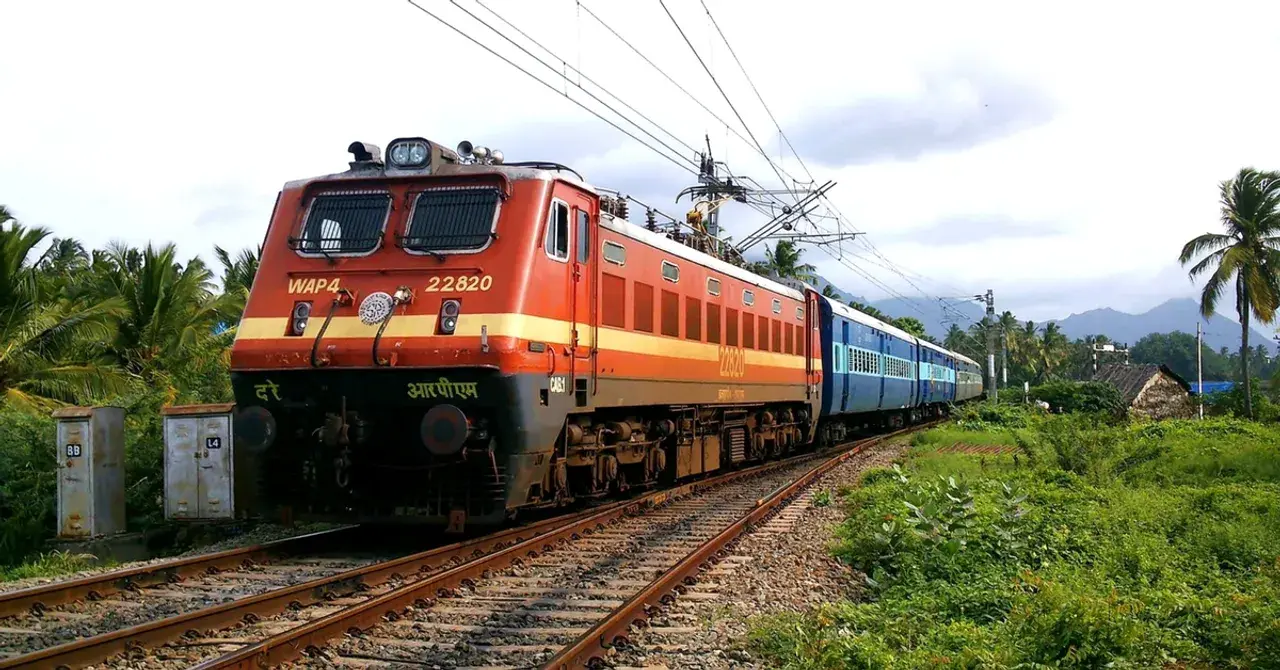
An important turning point in the history of India’s railway logistics has been reached with the extraordinary increase in freight traffic on the country’s designated freight corridors (DFCs). The amount of freight on these corridors has doubled in the current fiscal year over the previous one, indicating a significant change in the dynamics of freight handling in the country.
The net tonne kilometers (NTKMs), a gauge of freight volume, hit 62,282 million between April and October 2024, or an astounding 292.4 million NTKMs per day, according to data from the Dedicated Freight Corridor Corporation of India Ltd (DFCCIL). Compared to 32,164 million NTKMs, or 151 million NTKMs a day, over the same period in 2023, this is a significant increase. A major factor in this expansion has been the operationalization of an extra 522 kilometers of DFC network in FY24, which is divided between 294 km on the eastern corridor and 228 km on the western corridor.
“We expect another 20 percent increase in freight traffic after the completion of the remaining 102 kilometers of the western DFC by the end of 2025,” a DFCCIL official said, expressing hope for the near future. FY25 traffic earnings are expected to significantly surpass prior records.
Execution issues have caused delays in the last section of the western corridor, which runs from Vaitarna to Jawaharlal Nehru Port (JNPT). This segment was first allocated to Tata Projects in 2017, however due to slow progress, DFCCIL terminated the contract in 2022. To fulfill additional deadlines, Tata Projects recommitted to rapid construction in a rewritten agreement.
It is already clear that traditional railroad routes are giving way to the more effective DFCs. Roughly 10% of the railroads’ freight was handled by DFCs by July 2024; by October, that percentage had risen to 13%. Our objective was to take over 70% of rail traffic on routes that ran parallel to the DFCs in the east and west. With more than 80% of the anticipated traffic handled, the fully functional eastern corridor has surpassed expectations. Despite just making up 4% of the entire railway network, the western corridor is making good progress, even though it is still below 60%,” the official said. With a potential capacity of up to 480 trains, the network already accommodates more than 350 trains each day.
The gross tonne kilometers (GTKMs), which account for the aggregate weight of wagons, engines, brake vans, and freight, also showed a notable increase in comparison to NTKMs. The DFC recorded 106,277 million GTKMs between April and October 2024, which is 80% more than the same time the previous year.
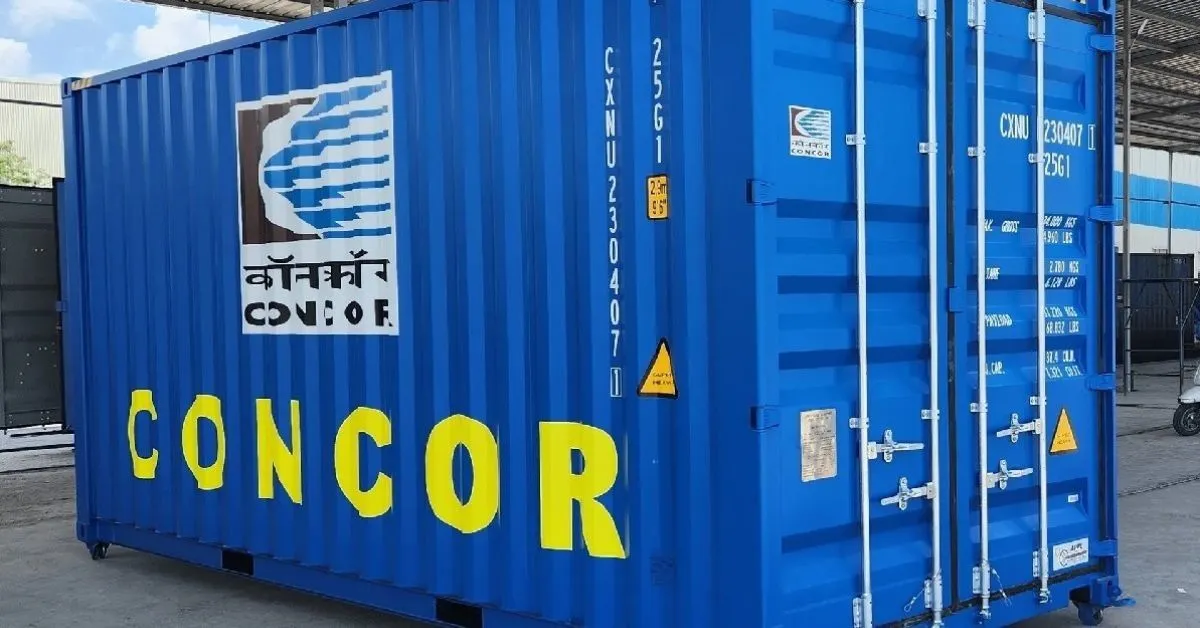
While the eastern corridor’s 1,337-km stretch concentrates on heavy bulk, including coal, iron, steel, fertilizers, food grains, and containers, the western DFC’s 1,506-km section mostly supports a combination of containerized goods, cement, petroleum products, and trucks-on-train. India’s rail logistics industry is set for long-term growth as a result of these corridors, which are redefining freight efficiency.
Explore the latest edition of Journal of Supply Chain Magazine and be part of the JOSC News Bulletin.
Discover all our upcoming events and secure your tickets today.
Journal of Supply Chain is a Hansi Bakis Media brand.
Subscribe to our Daily Newsletter
Subscribe For FreeBy continuing you agree to our Privacy Policy & Terms & Conditions