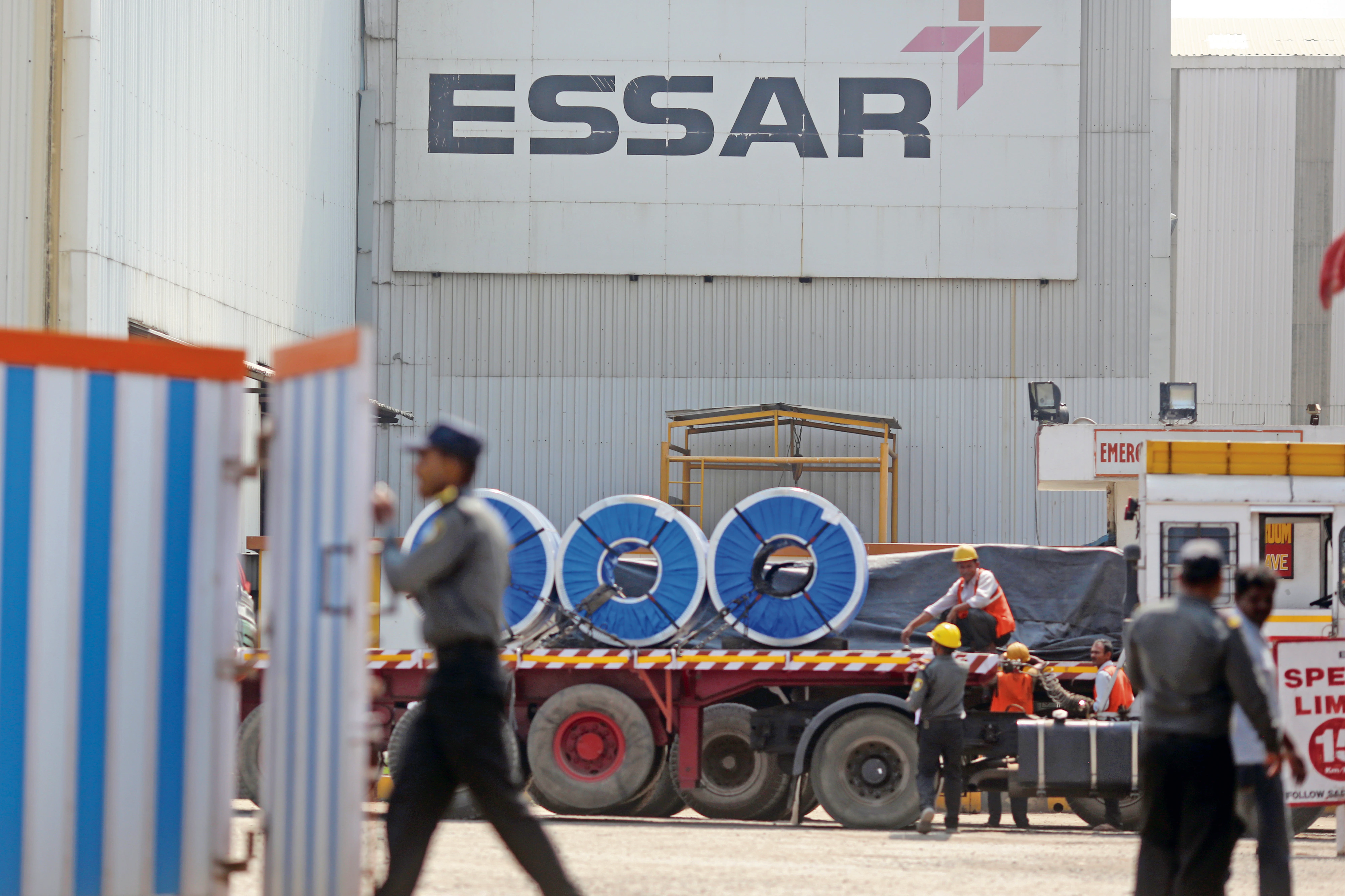
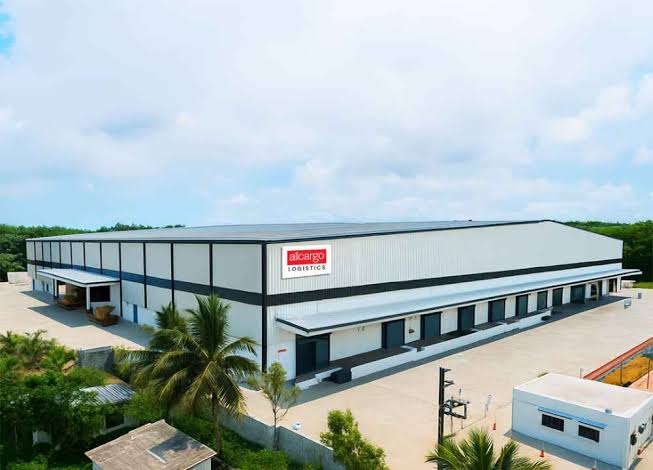
Essar Ports Limited received a Letter of Award from the Deendayal Port Authority (DPA) on 21 October 2026 to develop a multipurpose cargo terminal at Tuna Tekra in Kandla, Gujarat. The project is estimated to cost ₹2,276.06 crore and is planned to handle 18.33 million tonnes of cargo annually, excluding liquid and container cargo.
Project Structure and Financing
The terminal will be developed under a Build-Operate-Transfer (BOT) model through a Public-Private Partnership (PPP), with a concession period of 30 years. Under this arrangement, the private developer will build and operate the facility for the agreed period before transferring it to the public authority in line with the concession agreement.
Essar Ports won the contract as the highest bidder in a global competitive bidding process, offering a royalty of ₹61 per tonne to the DPA. The company will invest ₹1,552.57 crore, while the DPA will contribute ₹723.49 crore towards common-user infrastructure. The authority’s responsibilities include dredging access channels, berth pockets and turning circles, along with developing a common approach road.
Conference
Conference
Terminal Capacity and Vessel Access
The planned terminal will feature four berths, each measuring 300 metres, providing a total berth length of 1,200 metres. The facility is designed to handle vessels of up to 170,000 deadweight tonnes (DWT) with a draft of 18 metres. DWT refers to a vessel’s total carrying capacity, while draft measures the vertical distance between the waterline and the lowest point of its hull.
The terminal will handle dry and other multipurpose cargo, while liquid and container cargo are excluded from its stated annual capacity of 18.33 million tonnes. The additional berths are expected to expand cargo-handling capacity in the Kandla port region and help ease pressure on existing dry-cargo berths.
Port and Maritime Context
Deendayal Port, formerly known as Kandla Port, is a major port on Gujarat’s western coast near the Gulf of Kutch. The Deendayal Port Authority oversees the port’s administration and infrastructure. The Tuna Tekra terminal is part of the region’s ongoing port infrastructure development, where dredging of channels and berth areas supports access for larger vessels. Its four-berth design is intended to accommodate ships with a draft of up to 18 metres.
Explore the latest edition of Journal of Supply Chain Magazine and be part of the JOSC News Bulletin.
Discover all our upcoming events and secure your tickets today.
Journal of Supply Chain is a Hansi Bakis Media brand.
Subscribe to our Daily Newsletter
Subscribe For FreeBy continuing you agree to our Privacy Policy & Terms & Conditions