News

Data and AI: The Future of Sustainable Shipping, Says Cognizant Ocean

June 11, 2024 5 min read
author Anamika Mishra, Sub Editor

In an effort to address persistent issues, shipping should make use of cutting-edge technology like artificial intelligence, according to Stig Martin Fiska, Global Head of Cognizant Ocean.
Shipping plays a major role in the international movement of commercial goods and equipment; according to UN Trade and Development (UNCTAD), over 80% of the route is via water.

However, the business is inevitably subjected to many disruptions on a daily basis, ranging from extreme weather and industrial action to the types of geopolitical catastrophes seen in recent years.

According to UNCTAD, persistent militant attacks on merchant vessels in the Red Sea resulted in the rerouting of 586 container ships by the first part of February 2024, while the tonnage of containers traversing the canal decreased by 82%. 

The main US port in Baltimore was closed for over a month following the catastrophic fall of the Francis Scott Key Bridge in March, resulting in a daily loss to the US economy of at least $15 million.

Leading provider of "Blue Economy" solutions, Stig Martin Fiska, Global Head of Cognizant Ocean, advises shipping to take advantage of cutting-edge technology like artificial intelligence (AI) to help overcome these obstacles.

He explained: , "AI has the potential to rethink the way the shipping sector can anticipate and avoid disruption, ensuring that various supply chain components function flawlessly, such as ship navigation or port activity management.

"At the same time, as climate change accelerates, the shipping industry, like most sectors, is under increasing pressure to become more sustainable. 

"Encouraging business growth and being more sustainable must go hand in hand to ensure long-term success. Shipping firms may work towards decarbonising our oceans and increasing their bottom line by deploying innovative technology that promotes efficiency.

Leveraging AI to manage unpredictability

It goes without saying that potential disturbances during the shipping voyage can make achieving predictability difficult. Now for generative artificial intelligence (Gen AI), which can be used to reduce the requirement for guessing.


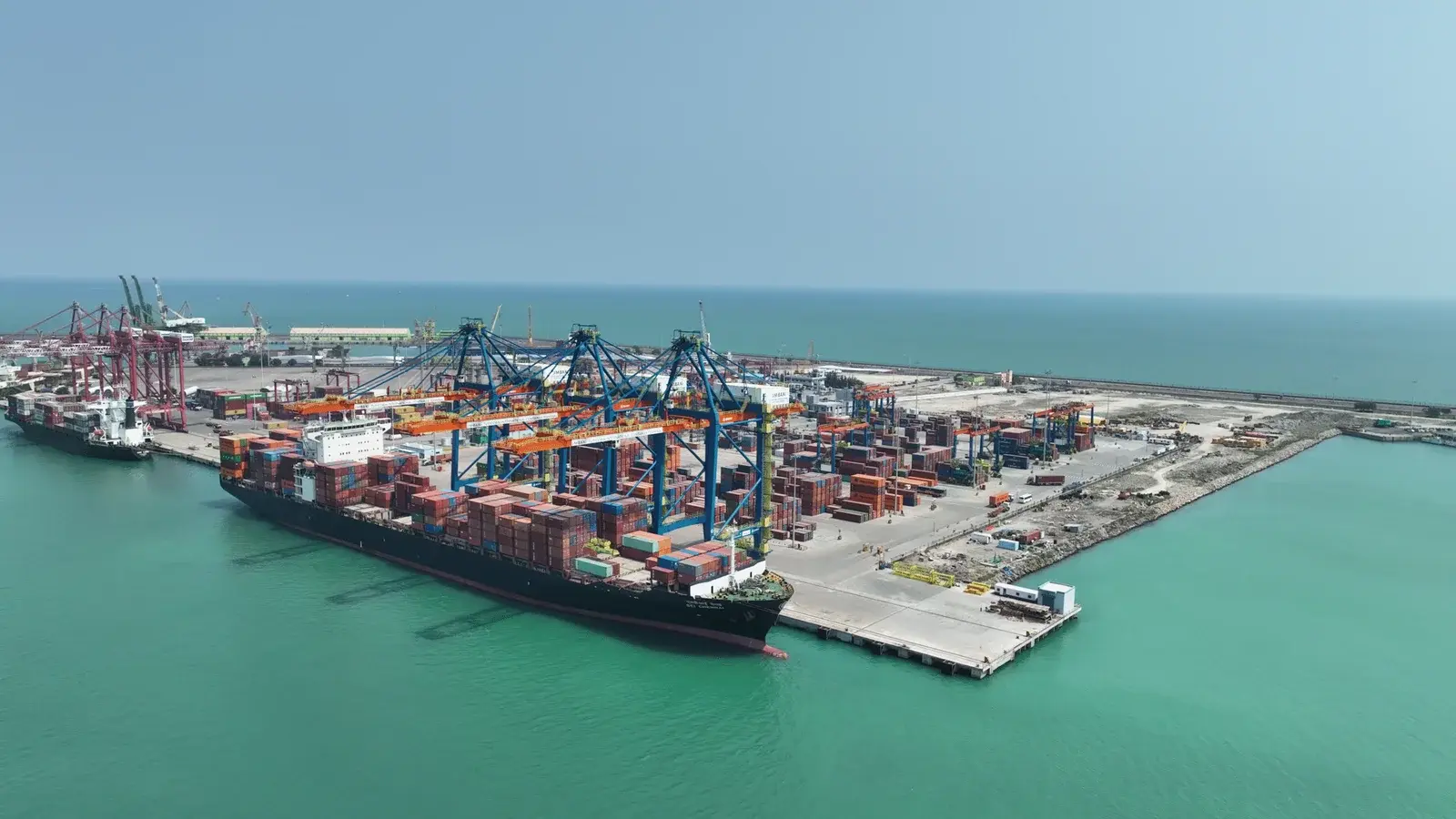
Every port has a limited amount of space, so if too many ships come at once, wait times would probably increase dramatically, and the extra fuel used by stationary ships would result in a significant carbon imprint.  


Here, ships can be scheduled to arrive at the port at the least disruptive time by using Gen AI techniques to evaluate historical arrival data.

Generally, companies have a lot of data stored in silos, but they lack the expertise or resources necessary to effectively assess and utilise it.

Stig draws attention to the fuel management task, which is still frequently completed by hand with choices based on prior knowledge.


"This presents an opportunity to leverage large language models (LLMs) and the power of Gen AI to document and automate these processes, saving time for shipping crews," he continues.  

"Shipping companies can use the wealth of data they own to make informed decisions with these new, technologically-powered processes in place."

In other contexts, Gen AI can be used in alongside LLMs to detect disruption-causing variables like extreme weather and geopolitical concerns and alert employees to take necessary steps.

Demands for more environmentally friendly shipping
The regulatory pressure on shippers to transform their operations into more sustainable ones is increasing in tandem with the environmental damage to the oceans.


With the aim of preserving at least 30% of marine and coastal areas by 2030, the UN General Assembly took a significant step in December 2023 when it passed two resolutions emphasising the growing threats that the oceans face.

The main issue in this area for the shipping industry is figuring out how to stop ships from harming the oceans and their biodiversity. 

Stig continues, once more waving the AI flag: "An efficient environmental impact monitoring system can be created using Gen AI and LLM tools. An example of a technology-enabled system that can reduce air pollution is port congestion, which is a major contributor to local air pollution. The system can forecast and, as a result, reduce port congestion.

“Meanwhile, the risk of bringing invasive species to local ecosystems is a concern, but an AI-powered system can track vessels to provide advanced warning of invasive species risks.”

Worries about Gen AI trust continue.

The talk about artificial intelligence (AI) has been all the rage ever since ChatGPT soared to fame in late 2022.


Nevertheless, considering how quickly these technologies are developing, it's hardly surprising that many in the maritime sector are still hesitant to trust a Gen AI tool to replace years of human experience.

Stig responds that these tools should be utilised as part of a more comprehensive decision-making process, with a person still needed to validate outcomes.  

"By utilising thousands of real-time data points that are simultaneously analysed, these technologies can provide greater assurance that the right course of action is being taken during the shipping journey," Stig continues.

While helping in the reduction of expensive and time-consuming disruptions, this gives industrial personnel the opportunity to upskill and apply new modern technologies within their profession.


"In the meantime, increased efficiency will enable businesses to meet their environmental targets and draw in investors and customers, who are all turning towards a more sustainable lifestyle." 

Teamwork is essential for implementing AI.

There are other issues that surround the application of AI aside from skepticism.

The shipping ecosystem involves a wide range of players, including the ship itself, the delivery business, and the port.

These stakeholders must collaborate in order to dismantle information silos and raise the calibre of operational insights in order to fully utilise AI technologies.

This is especially important since managing all the data is difficult, and many don't have the staff or money to concentrate on digital innovation. 

Shipping businesses should adopt AI gradually, suggests Stig, rather of viewing it as a massive undertaking requiring everyone's support.

"As the world grows increasingly geopolitically, environmentally, and financially unpredictable, it is imperative that we make operations as efficient as possible while working to decarbonise our oceans." 


Explore the latest edition of Journal of Supply Chain Magazine and be part of the JOSC News Bulletin.

Discover all our upcoming events and secure your tickets today.


Journal of Supply Chain is a Hansi Bakis Media brand.

Leave Comment

logo

Subscribe to Our Newsletter

The week’s best stories, handpicked by JOSC editors in your inbox every week.

Stay informed with exclusive content