News
India and New Zealand Look to Expand Maritime Security and Strategic Cooperation in Indo-Pacific
 Vatsal Patel,
Founder
Vatsal Patel,
Founder
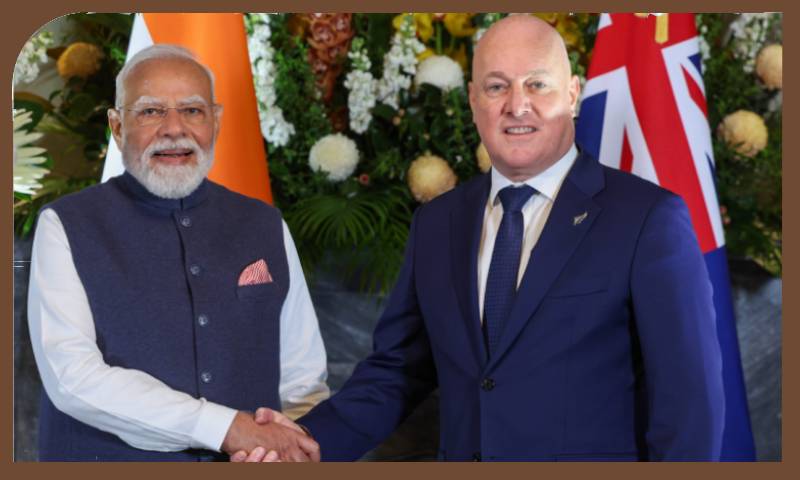
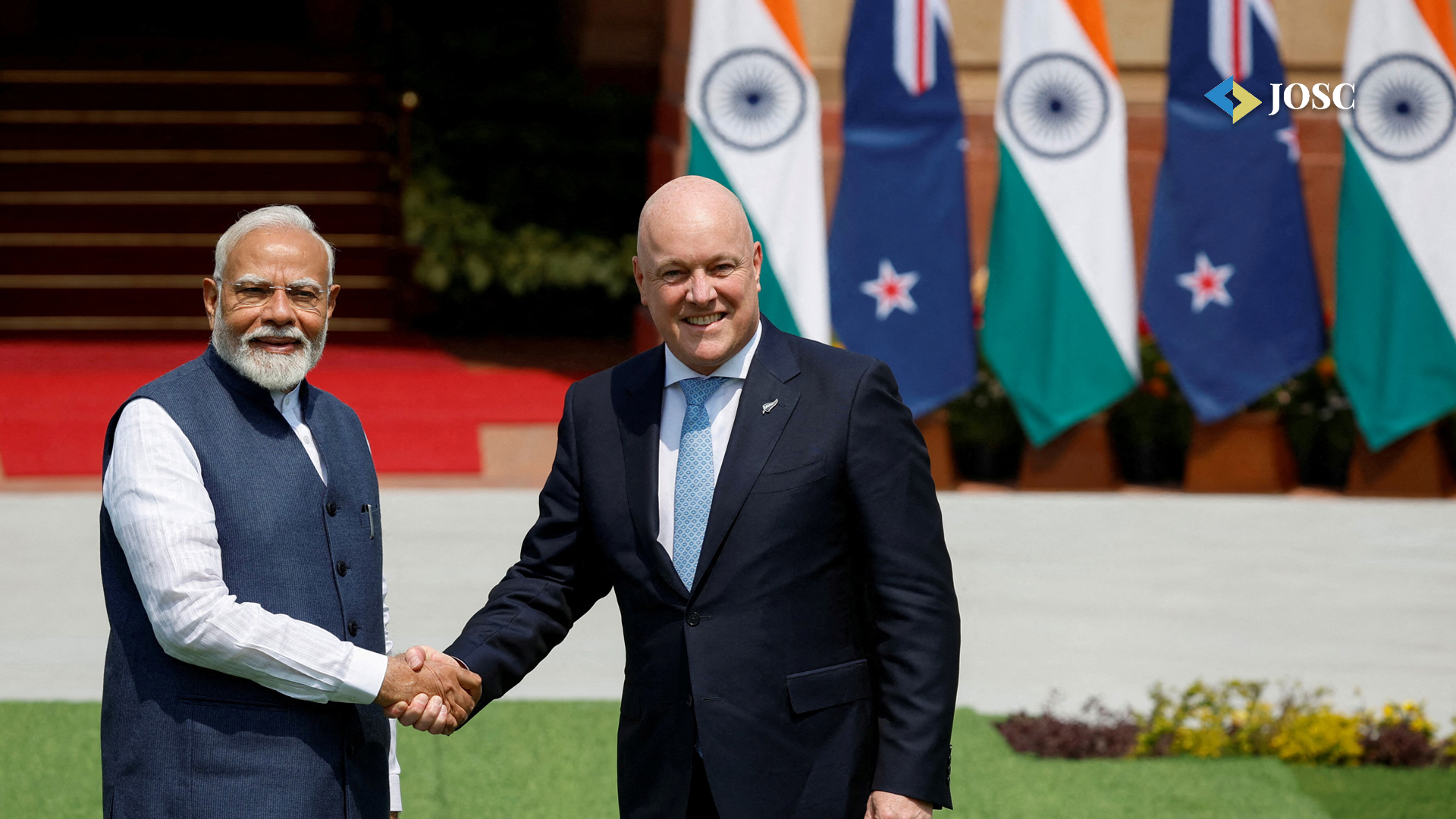
India and New Zealand have considerable scope to strengthen maritime security cooperation, improve maritime domain awareness and uphold a rules-based order across the Indo-Pacific, according to Professor David Capie of Victoria University of Wellington. Speaking to ANI, Capie said the first India-New Zealand Defence and Security Track 1.5 Dialogue comes at an important time, as both countries look beyond traditional economic ties and explore wider areas of strategic cooperation.
Why Maritime Cooperation Is Central to the Partnership
Capie described India and New Zealand as the two bookends of the Indo-Pacific, highlighting their shared interests despite differences in geographical size and strategic priorities. He identified maritime cooperation as a key area where the countries can work together, particularly in supporting the United Nations Convention on the Law of the Sea and improving awareness of activities within their respective maritime regions.
He explained that the Indian Ocean also holds strategic importance for New Zealand, as it provides an important link to energy supplies from the Middle East. "For us in New Zealand, it's the Pacific, but we're also aware of the way that the Indian Ocean is vital for New Zealand in connecting us to energy supplies in the Middle East," Capie told ANI.
According to Capie, India and New Zealand can strengthen their partnership through joint efforts in maritime cooperation, security and domain awareness, while contributing to a stable, rules-based international system.
A Dialogue Focused on Expanding Ties Beyond Trade
Capie said increasing uncertainty in the international environment and changes in the global order have made strategic partnerships more important. Countries are increasingly looking to work with trusted partners and build stronger relationships to address emerging challenges.
He noted that leaders in both India and New Zealand have recognised the need to expand bilateral engagement beyond economic cooperation, bringing defence and security into the wider partnership.
"We've seen some important momentum on that in the last year, year and a half or so," he said. Capie added that discussions in New Delhi would provide an opportunity to engage with Indian government officials and think tanks, assess changing strategic developments and identify fresh areas for collaboration.
Summit
FTA Could Create New Business Opportunities in Fintech and Agri-Tech
Capie said the India-New Zealand Free Trade Agreement (FTA) could provide additional momentum to bilateral economic relations and encourage businesses from both countries to explore partnerships in emerging industries. He highlighted the potential to connect India's capabilities in financial technology with New Zealand's expertise in agricultural technology.
"One of the exciting things about the FTA is the way that we can try and bring businesses together and find out what the matches might be between New Zealand and India," he said.
He explained that India's fintech capabilities could create opportunities for New Zealand businesses, while New Zealand's agricultural technology innovations could be combined with India's manufacturing capacity and market scale to develop solutions for international markets.
"What we might see, in some ways, is actually less about countries selling to each other and maybe thinking about the way that we can work together, for example in India, to then export to the world," he said.
Education, Connectivity and Diaspora Links to Support Bilateral Relations
Apart from trade and defence, Capie identified education, technology partnerships and people-to-people connections as important areas for strengthening India-New Zealand relations. He pointed out that people of Indian heritage account for approximately six per cent of New Zealand's population, highlighting the importance of diaspora connections in bringing the two countries closer.
He also emphasised the need to improve connectivity, particularly through direct aviation services, which could make travel easier and encourage stronger business, educational and cultural exchanges.
"If we can make it easier to connect the two countries, for example through direct aviation routes, that would be a great breakthrough," he said.
Capie concluded that bilateral relations are gaining positive momentum, with considerable potential to expand cooperation across trade, technology, education, maritime security and defence. "It's an exciting time to be here in Delhi," he added.
Explore the latest edition of Journal of Supply Chain Magazine and be part of the JOSC News Bulletin.
Discover all our upcoming events and secure your tickets today.
Journal of Supply Chain is a Hansi Bakis Media brand.
Subscribe to our Daily Newsletter
Subscribe For FreeBy continuing you agree to our Privacy Policy & Terms & Conditions