IIT Madras has developed SEANAV, a real-time digital twin platform designed to test, validate and train autonomous maritime navigation systems in realistic virtual environments. The system has been developed by the institute's Department of Ocean Engineering, according to a report by NDTV.
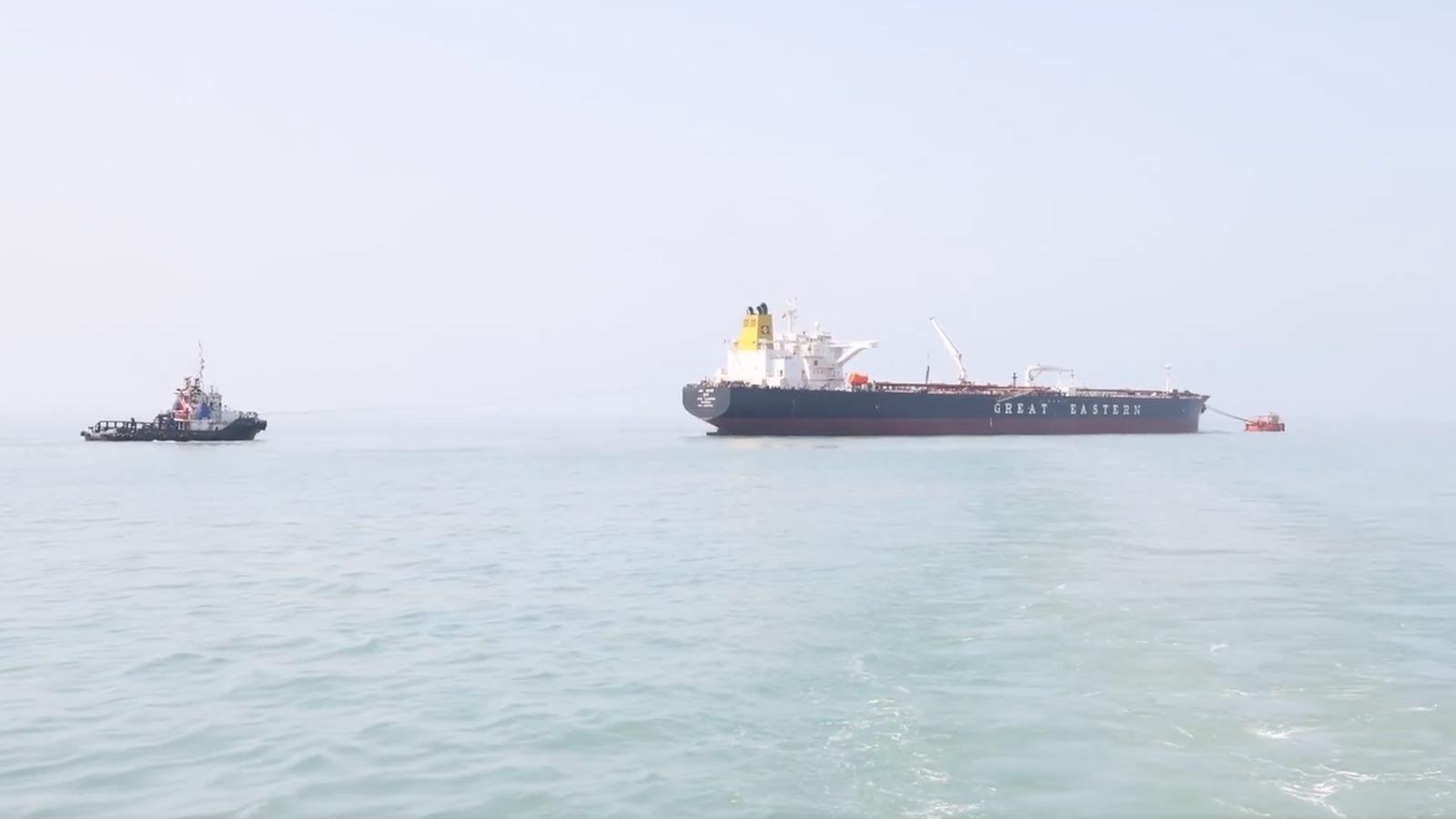
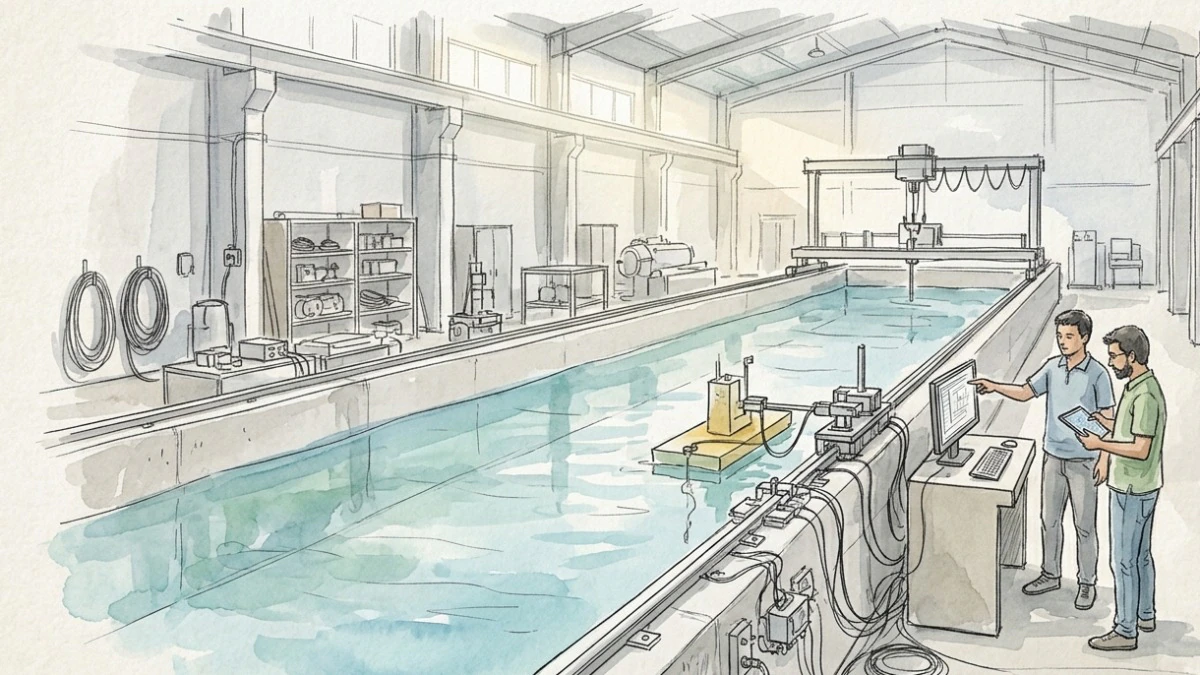
Developed using the Unity3D engine, SEANAV creates a digital representation of the maritime environment, including ocean waves, vessel movements and different navigation conditions. The simulator has been calibrated against a benchmark tanker measuring around 320 metres in length. According to the institute, this helps ensure that its virtual simulations closely reflect the conditions experienced in commercial shipping operations.
In a press release shared with NDTV, IIT Madras said the platform provides a high-fidelity virtual maritime environment where ships, sensors, ocean conditions and vessel traffic can be modelled and simulated in real time.
SEANAV enables multiple autonomous vessels to learn and operate within the same environment. This allows navigation systems to develop strategies for handling complex interactions, particularly in busy and congested waterways.
The platform also features a multi-sensor fusion framework that combines data from LiDAR, marine radar and stereo vision cameras. Unlike conventional simulators that often rely on ideal sensor inputs, SEANAV accounts for practical limitations such as signal noise and delays. This approach is intended to help autonomous navigation systems respond more effectively to challenging conditions, including fog, rain and reduced visibility.
Another key feature is its immersive Virtual Reality interface, which uses Meta Quest headsets. Researchers, trainees and maritime professionals can experience the simulation from the perspective of a ship's bridge. The setup can support training in emergency response, collision avoidance, port approaches and vessel manoeuvring.
Conference
Conference
Summit
IIT Madras noted that the global shipping industry carries more than 80 per cent of world trade, making maritime safety and reliable navigation essential to international commerce.
Dr Suresh Rajendran, Associate Professor in the Department of Ocean Engineering at IIT Madras, said combining digital twins, artificial intelligence, advanced sensor fusion and virtual reality creates a safe and efficient environment for training both autonomous systems and human operators before they are deployed in real-world maritime conditions.
Rajendran added that the technology could also contribute to improved safety at major Indian ports, including Chennai, Mumbai, Visakhapatnam and Kochi. AI-assisted navigation systems supported by the platform could help reduce the risks of vessel collisions and groundings.
According to IIT Madras, SEANAV supports the objectives of the Government of India's Sagarmala Programme and Maritime India Vision 2030. Both initiatives place emphasis on smart ports, greater use of digital technologies and the development of autonomous maritime systems.
The institute also highlighted the platform's potential beyond commercial shipping. Its ability to simulate multiple vessels and complex maritime situations could make it useful for coastal surveillance, search-and-rescue missions and maritime defence applications.
Explore the latest edition of Journal of Supply Chain Magazine and be part of the JOSC News Bulletin.
Discover all our upcoming events and secure your tickets today.
Journal of Supply Chain is a Hansi Bakis Media brand.
Subscribe to our Daily Newsletter
Subscribe For FreeBy continuing you agree to our Privacy Policy & Terms & Conditions