Article
The 3 Cs of India’s Logistics Sector: Connected, Competitive, Confident
 Anamika Mishra,
Sub Editor
Anamika Mishra,
Sub Editor
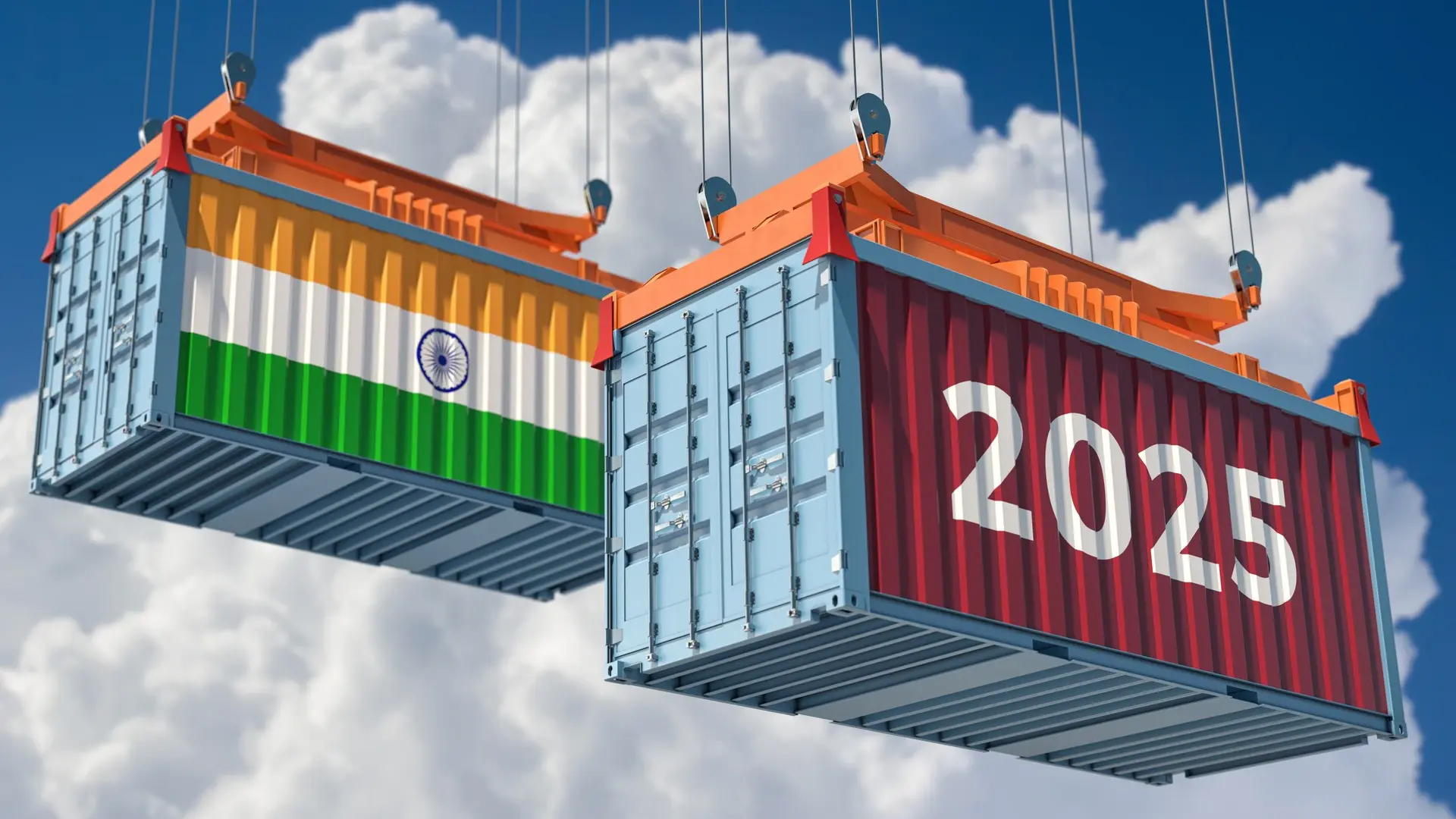
India’s logistics sector is no longer just the poor cousin in the supply chain family; it’s now calling the shots. What was once seen as the backend, the support system, the cost centre, is now emerging as one of the biggest growth engines of Bharat’s economic journey. Gone are the days when logistics meant just trucks, godowns and chaotic highways. Today, it means tech, strategy, speed and serious money.
With India becoming the fastest growing major economy and with global manufacturers scouting for China +1 supply chain partners, logistics has become the beating heart of India’s competitiveness. And rightly so. A new India is rising, one that moves not just fast, but smart. A logistics sector that’s not just catching up with global standards, but creating some of its own.
Behind this transformation lie three powerful pillars- the 3 Cs of India’s logistics story: Connected, Competitive and Confident.
These aren’t just buzzwords. They represent a mindset shift. A techtonic shift from silos to synergy. From fragmented operations to digitally integrated networks. From costly inefficiencies to streamlined precision. Whether it’s the launch of PM Gati Shakti, the game-changing National Logistics Policy or the rise of desi startups redefining last-mile delivery, the logistics story in India is having its golden moment.
Let’s talk facts. India jumped six spots in the World Bank’s Logistics Performance Index 2023, outperforming regional heavyweights. Infrastructure upgrades, faster ports, digitised freight corridors, these aren’t plans on paper anymore. They’re realities on ground. And the world is taking notice.
In every corner, from the sprawling warehouses of Bhiwandi, to the buzzing ports of Mundra to the rail hubs of Dadri and the inland waterways of Varanasi, India is building something big. Something bold. Something that signals: “We’re ready.”
And at the core of this transformation is confidence, not just from policymakers, but from logistics professionals, entrepreneurs and MSMEs who are embracing tech, innovation and speed like never before.
So yes, India’s logistics industry isn’t in the back office anymore, it’s at the head of the table. And it’s here to stay.
In this article, let’s deep dive into how the 3 C’s- Connected, Competitive & Confident are not just changing how goods move in India, but how India itself is moving towards becoming a global logistics powerhouse.
Let me know if you’d like this expanded into a full article, used in a presentation or adapted into a blog or newsletter version.
1. Connected: Building the Backbone of Bharat
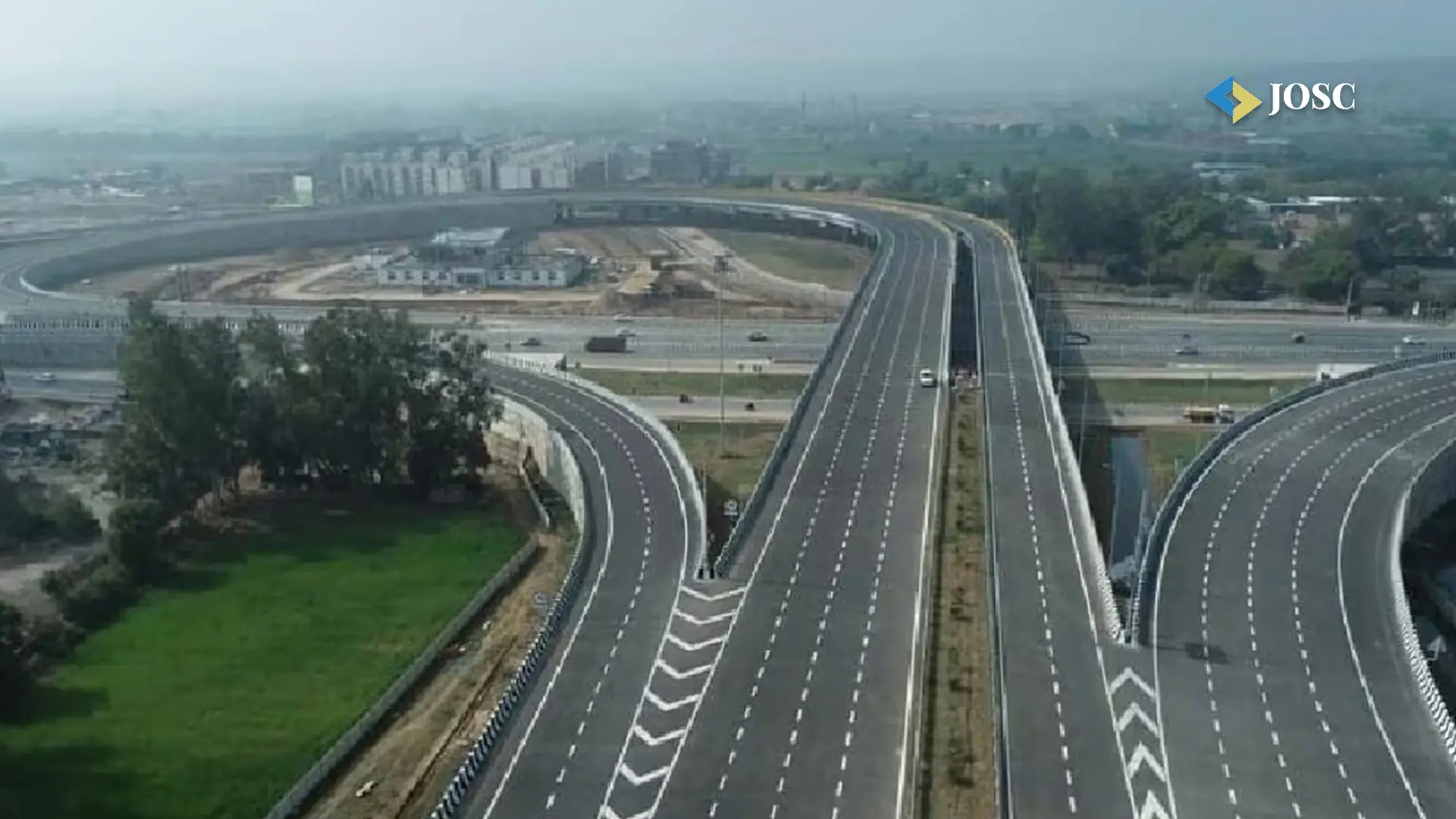
Connectivity is the backbone of any robust logistics system and India is finally getting it right. From multi-model logistics parks to Dedicated Freight Corridors, the government is pouring investments into linking the length and breadth of the country.
PM Gati Shakti: PM Gati Shakti National Master Plan (PMGS-NMP) was launched on 13th October 2021 for providing multimodal connectivity infrastructure to various economic zones. Cabinet Committee on Economic Affairs (CCEA) accorded approval for the implementation of PM GatiShakti National Master Plan on 21st October 2021.
PM GatiShakti is a transformative approach for economic growth and sustainable development. The approach is driven by 7 engines, namely:
1. Railways
2. Roads
3. Ports
4. Waterways
5. Airports
6. Mass Transport
7. Logistics Infrastructure
All 7 engines will pull the economy forward in unison. These engines are supported by the complementary roles of Energy Transmission, IT Communication, Bulk Water & Sewerage, and Social Infrastructure. The approach is powered by Clean Energy and Sabka Prayas – the efforts of the Central Government, the state governments, and the private sector together, leading to huge job and entrepreneurial opportunities for all, especially the youth.
The scope of the PM GatiShakti National Master Plan will encompass the 7 engines for economic transformation, seamless multimodal connectivity and logistics efficiency. It will also include the infrastructure developed by the State Governments, as per the GatiShakti Master Plan. The focus will be on planning, financing, including innovative ways, the use of technology and speedier implementation.
The projects about these 7 engines in the “National Infrastructure Pipeline” will be aligned with the PM GatiShakti framework. The touchstone of the Master Plan will be world-class modern infrastructure and logistics synergy among different modes of movement of people and goods, and the location of projects. This will help raise productivity and accelerate economic growth and development.
The plan has been developed as a Digital Master Planning tool by BISAG-N (Bhaskaracharya National Institute for Space Applications and Geoinformatics) and has been prepared in dynamic Geographic Information System (GIS) platform wherein data on specific action plan of all the Ministries/Departments have been incorporated within a comprehensive database. Dynamic mapping of all infrastructure projects with real-time updation will be provided by way of a map developed by BISAG-N. The map will be built on open-source technologies and hosted securely on MEGHRAJ, i.e. cloud of the Government of India. It will use satellite imagery available from ISRO and base maps from the Survey of India. The comprehensive database of the ongoing & future projects of various Ministries has been integrated with 200+ GIS layers, thereby facilitating planning, designing and execution of the infrastructure projects with a common vision.
The digital system is a software where individual Ministries will be given separate user identification (login IDs) to update their data periodically. The data of all the individual Ministries will be integrated into one platform, which will be available for planning, review and monitoring. The Logistics Division, Ministry of Commerce & Industry (MOCI) will further assist all the stakeholders through BISAG-N for creating and updating their required layers in the system and updating their database through Application Programming Interface (APIs).
Conference

Conference

Logistics Performance Index (LPI) 2023: As per the World Bank’s Logistics Performance Index (LPI), 2023, India moved up to 22nd Rank in the Global Ranking in the International Shipments category and the Overall 38th Rank in Logistics Performance Index score. Indian Ports have registered a quantum improvement in “Turn Around Time”. Global comparison of Indian Ports on “Turn Around Time” parameter, as published in World Bank’s Logistics Performance Index (LPI) Report-2023, acknowledges Indian Ports “Turn Around Time” as 0.9 days which is better than USA (1.5 days), Australia (1.7 days), Belgium (1.3 days), Canada (2.0 days), Germany (1.3 days), UAE (1.1 days), Singapore (1.0 days), Russian Federation (1.8 days), Malaysia (1.0 days), Ireland (1.2 days), Indonesia (1.1 days), New Zealand (1.1 days) and South Africa (2.8 days).
The Maritime Amrit Kaal Vision 2047 was developed in alignment with the principles of the blue economy. It outlines long-term aspirations for India’s maritime sector and provides a broad action plan for implementation. The vision aims to transform the sector through various key initiatives, including the expansion of port capacity through greenfield and brownfield developments, enhancing operational efficiency by leveraging automation and digitization, and making the sector more sustainable through green initiatives such as the development of hydrogen hubs. In addition to sustainability, the vision emphasizes the development of islands and the cruise sector, aiming to boost coastal tourism and related infrastructure. It also focuses on strengthening maritime capacity building by enhancing workforce training and skill development. Furthermore, the vision aspires to elevate India’s global maritime presence by increasing participation in international maritime platforms. Another critical area of focus is the shipbuilding and repair sector. The vision seeks to position India as a global leader in shipbuilding while also working toward increasing the country’s shipping tonnage. To achieve these ambitious objectives, the strategy proposes a comprehensive set of interventions spanning infrastructure development, policy reforms, technological advancements, institutional strengthening, and regulatory enhancements.
GMIS 2023 attracted investment commitment of ₹10 lakh crore. This includes signing of 360 MoUs, with an investment commitment of ₹8.35 lakh crore (including international collaborations), and the announcement of additional investible projects worth ₹1.68 lakh crore.
This information was given by the Union Minister for Ports, Shipping and Waterways, Shri Sarbananda Sonowal in Rajya Sabha, today.
Digital Freight Corridors: Speaking at the sixth edition of the FICCI's Smart Railways Conclave, Future Rail India, Mr Praveen Kumar, Managing Director of DFCCIL, showcased a comprehensive digital transformation across the network. He revealed that the corporation has constructed infrastructure incorporating 2x25 high-rise overhead equipment and continuous welded rails designed for 32.5-tonne axle loads, representing India’s most advanced railway infrastructure. Kumar highlighted the corporation’s state-of-the-art control centres at Prayagraj and Ahmedabad, along with comprehensive digital innovations including AI-based inspection systems, predictive maintenance technologies, and the Kawach collision avoidance system deployment.
"Our engineering specifications enable trains to operate at 45-55 kilometres per hour compared to conventional railways’ 20-23 kilometres per hour," Kumar stated.
On occasion, Mr Shantanu Roy, Chairman and Managing Director, BEML Limited, the state-owned engineering corporation, announced significant progress in indigenous high-speed train manufacturing. He revealed that the company's first driverless metro trainsets for the Bangalore Metro are 50 per cent complete, with delivery expected by the end of the financial year 25-26. BEML's order book includes the development of India's first indigenous Vande Bharat sleeper trains, which feature capabilities of 180 kilometres per hour and advanced fire safety compliance. The company’s new Bhopal facility will double its manufacturing capacity, support high-speed rail projects while maintain a 65 per cent indigenous content in metro coach production, directly contributing to the Atmanirbhar Bharat initiative.
In a landmark achievement marking the centenary of railway electrification in India, Mr Jaideep Gupta, Additional Member (Railway Electrification), announced that Indian Railways has become the world's only major railway network to achieve 100 per cent electrification. This transformation reduces carbon emissions from 101 grams per tonne-kilometre by road to virtually zero through electric traction, positioning railways as the most sustainable transport mode after waterways. Indian Railway is pioneering green corridor initiatives for international freight traffic and exploring advanced technologies, including small modular reactors (SMRs) for traction substations, and flywheel energy storage systems to achieve complete carbon neutrality across all operational scopes.
Private sector participation is accelerating technological advancements, with Jupiter Wagons Limited committing over 3000 crores in investment over the next three years. Mr Vivek Lohia, Co-Chairman of FICCI's Transport Infrastructure Committee and Managing Director, Jupiter Wagons Limited, highlighted the company's ambitious plan to manufacture 100,000 wheels and axles annually, eliminating import dependency whilst positioning India as a global exporter. The company is pioneering advanced braking systems through European partnerships and developing indigenous Hyperloop technology. This collaborative ecosystem, featuring established players alongside startups and academic institutions, reflects the sector's transformation from isolated project implementation to integrated, solution-focused development under the National Rail Plan 2030 framework.
Mr Vimal Kejriwal, Chairman of FICCI's Transport Infrastructure Committee and Managing Director & CEO, KEC International, noted that with over 40,000 kilometres already electrified and the Kawach collision avoidance system is set to be deployed across 17,000 kilometres in FY26, with 30,000 kilometres planned for FY27 & FY28, India is positioning itself as a global railway powerhouse. The sector targets a 45 per cent modal freight share, while the railway market is projected to grow at a 5.5 per cent compound annual rate through 2030. Enhanced public-private collaboration in rolling stock manufacturing, multimodal logistics, and green propulsion technologies remains critical for achieving these ambitious infrastructure goals.
On occasion, the FICCI-PwC Knowledge Report on ‘Diversification of Railway Freight Portfolio’ was also unveiled.From Northeast connectivity to Inland Waterways, India is building a logistics web that doesn’t just connect cities, it connects economies.
2. Competitive: Cutting Costs, Creating Value
India’s logistics cost which has hovered around 13-14% of GDP has long been a thorn in the side of competitiveness. But that’s changing, fast.
- The National Logistics Policy (NLP), launched in 2022, aims to bring down logistics costs to 8% of GDP by 2030. That's a bold target, but with the pace of reforms, it's within reach.
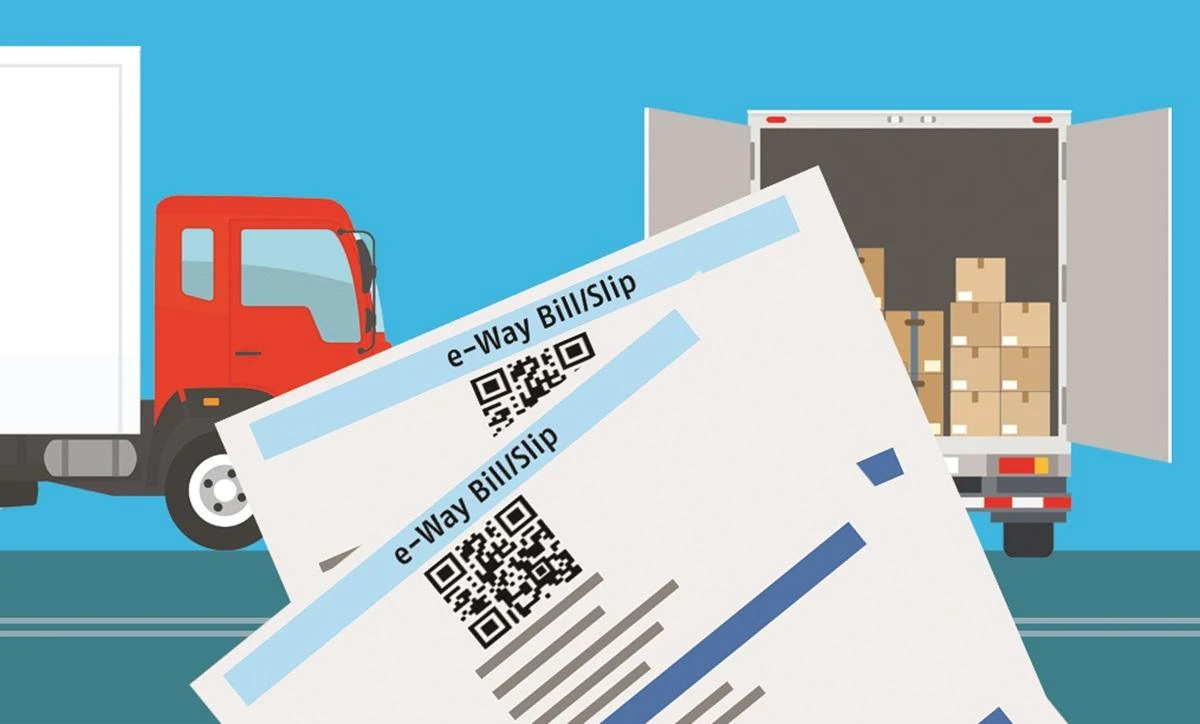
- FASTag adoption and e-way bills have drastically reduced bottlenecks and checkpoint delays. In fact, average truck turnaround time has reduced by 20-25% over the last three years.
- Private players are stepping up too. Startups like Delhivery, BlackBuck, Rivigo and ElasticRun are using AI, IoT, and automation to slash costs and improve asset utilization.
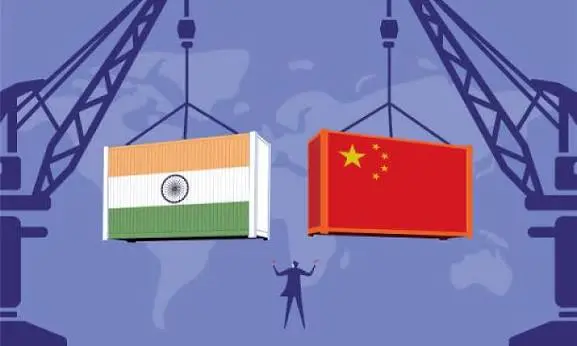
With global supply chains looking for China+1 alternatives, Indian exporters now have a fighting chance provided we keep up the momentum in cost competitiveness.
3. Confident: The Rise of a Logistics Powerhouse
This is not the same India that once hesitated on the world logistics stage. Today’s India is confident, bold, and ready to lead.
- The warehousing sector is on fire. In FY24 alone, India added ~45 million sq. ft of new Grade-A warehousing space. Tier-2 and Tier-3 cities are emerging as new hotspots.
- PLI Schemes in electronics, pharma, and textiles are driving manufacturing closer to domestic and global markets and logistics is riding the wave.
- Startup innovation is rewriting rules. From Drone delivery pilots in rural areas to hyperlocal 10-minute deliveries, the sector is buzzing with energy and optimism.
India’s $250 billion logistics sector is expected to hit $380 billion by 2025, growing at a CAGR of 10-12%. That’s not just growth that’s swagger.
The Road Ahead
India’s logistics sector isn’t just evolving, it’s exploding. With better connectivity, sharper competitiveness, and newfound confidence, we're moving from being reactive to proactive, from lagging behind to leading from the front.
But the road is still under construction. Sustainability, skilling, and standardisation will be key challenges. The industry must collaborate, not just compete to realise the full potential of the 3 Cs.
It’s time to think bigger, move faster, and deliver better.
India is not just moving goods anymore; we’re moving the future.
Explore the latest edition of Journal of Supply Chain Magazine and be part of the JOSC News Bulletin.
Discover all our upcoming events and secure your tickets today.
Journal of Supply Chain is a Hansi Bakis Media brand.
Leave Comment
Join the community of 150,000+ industry professionals
Subscribe to our Daily Newsletter
Subscribe For FreeBy continuing you agree to our Privacy Policy & Terms & Conditions
Latest




Feature Articles

Related