The Centre has outlined a series of measures with direct implications for India’s automotive and electric mobility sectors under the Union Budget 2026, presented in the Lok Sabha by Finance Minister Nirmala Sitharaman.
Rare-earth corridors and magnet manufacturing push
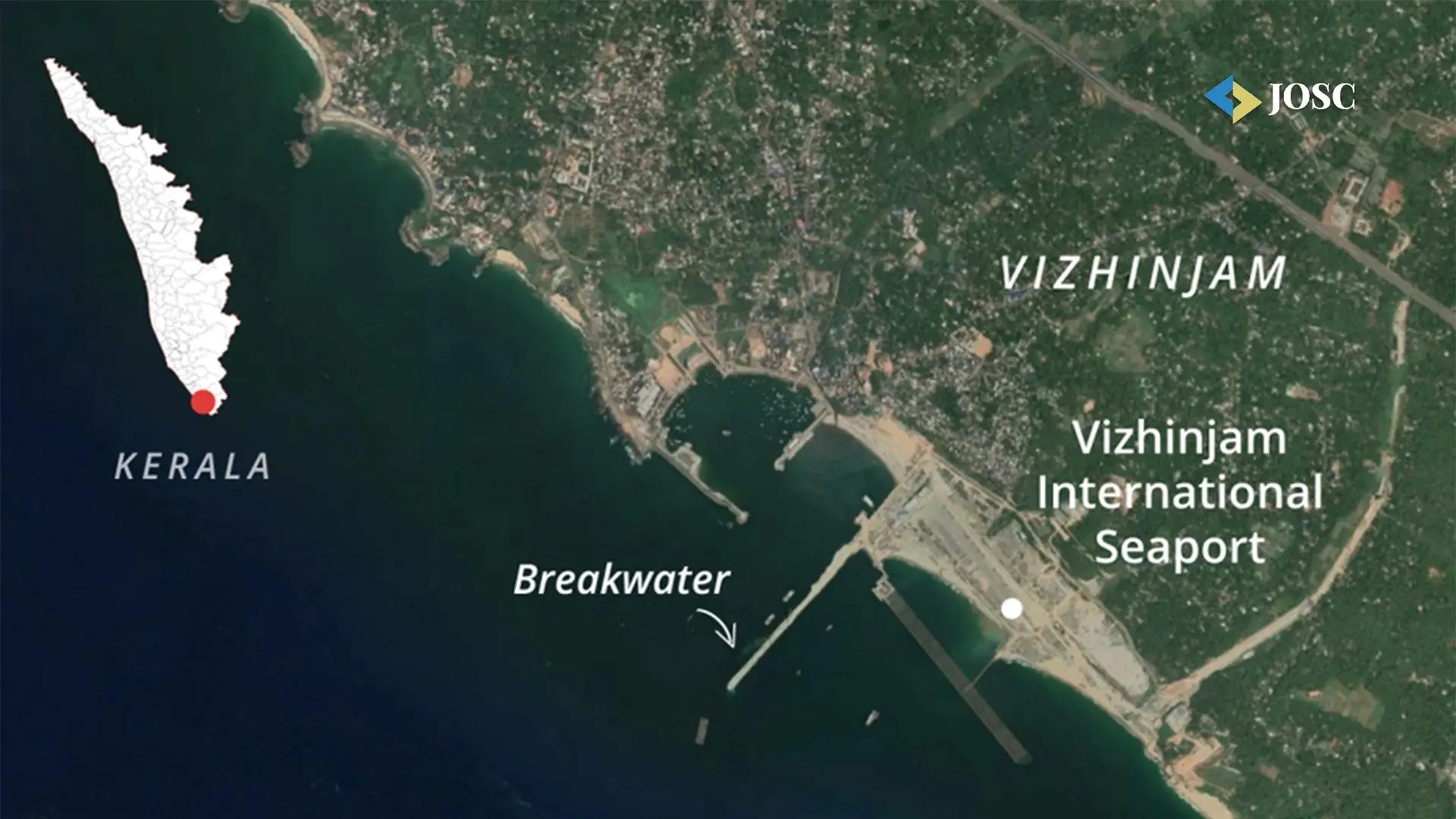
A key announcement is the creation of four rare-earth mineral corridors spanning Odisha, Kerala, Andhra Pradesh and Tamil Nadu. These corridors are aimed at supporting domestic processing and manufacturing of rare-earth materials, particularly magnets that are essential for electric motors used in electric vehicles, hybrids and several automotive components.
This move builds on a ₹7,280-crore incentive package approved earlier to promote rare-earth magnet manufacturing in India. Under the scheme, the Cabinet has cleared funding support for five rare-earth magnet manufacturing plants. Incentives will be linked to sales, calculated on a per-kilogram basis of magnets sold, with the objective of encouraging scale and long-term commercial viability.
Supply security after 2025 disruptions
India is estimated to hold around 6.9 million tonnes of rare-earth reserves, among the largest globally. The government’s strategy is focused on indigenising the supply chain, beginning with monazite processing. State-owned Indian Rare Earths Ltd (IREL) will supply 500 tonnes of rare-earth oxides under the scheme.
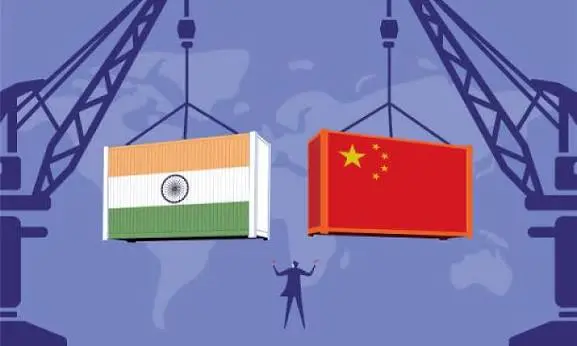
The push follows supply disruptions faced by the Indian auto industry in 2025, when shortages of rare-earth magnets disrupted production planning, particularly for electric and hybrid vehicles. Globally, China currently controls over 90 per cent of rare-earth magnet supply and imposed export curbs last year, underlining supply chain vulnerabilities for auto manufacturers worldwide.
Battery duties and electric bus allocation
Alongside rare-earth initiatives, the Budget extended several duty-related benefits for battery manufacturing. The exemption of basic customs duty on capital goods used for manufacturing lithium-ion batteries has been continued. In addition, concessional customs duty benefits for lithium-ion cells and their parts used in electric and hybrid vehicle batteries have been extended by two years, until March 2028. These measures are expected to support domestic battery manufacturing and help manage input costs for vehicle makers.
The Budget also announced the allocation of 4,000 electric buses for the Purvodaya states, a step aimed at strengthening public transport electrification in eastern India.
While the rare-earth manufacturing process is energy-intensive and generates toxic waste, the government indicated that careful handling and regulation will be required as capacity is built up.
Explore the latest edition of Journal of Supply Chain Magazine and be part of the JOSC News Bulletin.
Discover all our upcoming events and secure your tickets today.
Journal of Supply Chain is a Hansi Bakis Media brand.
Subscribe to our Daily Newsletter
Subscribe For FreeBy continuing you agree to our Privacy Policy & Terms & Conditions