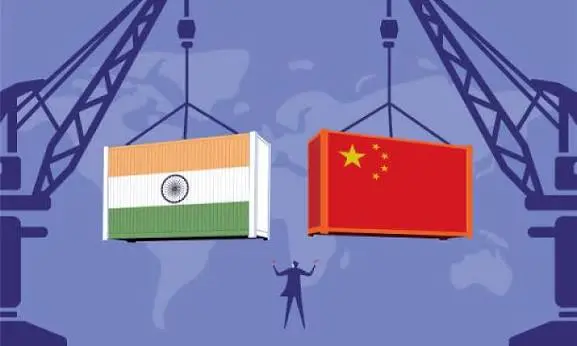
Donald Trump’s potential return to the White House as the 47th President of the US has reignited discussions about its impact on India’s electronics supply chain and broader trade relations. As the USA remains India's largest export destination, any shifts in US trade policy could reshape India-US trade and supply chain issues, particularly in electronics, a growing sector in India's economy. Challenges in India’s supply chain The challenges in India’s supply chain are likely to intensify under Trump’s “America First” agenda, which encourages US-based companies to boost domestic manufacturing and reduce reliance on imports. This could lead to higher tariffs on Indian exports, including electronics, increasing the cost of doing business in the US. However, Trump’s anti-China stance might offer an advantage to India. How? Positioning it as a viable alternative for US firms seeking to diversify their supply chains. The relocation of operations from China could strengthen India’s electronics supply chain, creating opportunities in areas like semiconductors, auto components, and telecommunications. Impact of Trump’s Return on Electronics Trade Under Trump’s leadership, India could benefit from the US’s reduced reliance on Chinese electronics and tech firms. This shift might foster deeper collaborations between India and the US in the tech and electronics sectors. Companies operating in India’s electronics supply chain could capitalize on increasing demand for components and finished goods as US firms look for cost-effective alternatives. Despite the opportunities, there are significant challenges in India’s electronics supply chain in 2024. These include infrastructure limitations, high import duties on raw materials, and
The only supply chain registration you need
Unrivaled context behind every news and article for free.
 Anamika Mishra,
Sub Editor
Anamika Mishra,
Sub Editor