News
India’s Clean Energy Manufacturing Push Faces Supply Chain Gaps and Cost Challenges
 Our Correspondent,
Our Correspondent,
Our Correspondent,
India is steadily emerging as a global hub for clean energy manufacturing, supported by strong policy backing and rising domestic demand. Government initiatives such as Production Linked Incentive (PLI) schemes and import duties have accelerated investments in solar and battery manufacturing. However, despite this momentum, structural gaps in technology adoption, supply chain depth, and cost competitiveness continue to pose challenges that may affect India’s global positioning.
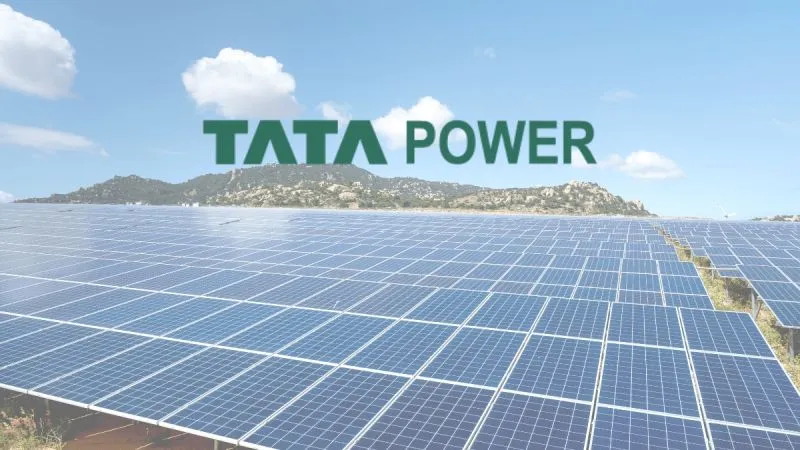
India’s solar manufacturing sector has recorded significant growth, with module manufacturing capacity surpassing 120 GW. This expansion has been largely driven by policy support, though capacity utilisation remains uneven, with several facilities operating below optimal levels.
From a technology standpoint, Tunnel Oxide Passivated Contact (TOPCon) modules account for nearly 70% of installed capacity, offering a balanced mix of efficiency and cost. In contrast, Heterojunction Technology (HJT) remains at an early stage, contributing only about 1% due to higher capital requirements and specialised expertise.
While solar manufacturing has scaled rapidly, battery manufacturing continues to lag. Under the government’s Advanced Chemistry Cell (ACC) PLI scheme, India aims to develop 50 GWh of capacity, but only around 1.4 GWh has been commissioned so far. Delays in execution, capital intensity, and supply chain uncertainties are slowing progress in this segment.
Despite expanding domestic capacity, India remains heavily dependent on imports for upstream components such as polysilicon, wafers, and critical minerals. China controls over 80% of global solar supply chains, exposing India to pricing pressures and geopolitical risks.
Conference
Conference
In addition, India’s supply chain ecosystem is still developing in key areas such as ingots and wafers, which are essential for solar cell production. Although domestic value addition is improving, upstream gaps remain a critical challenge.
The sector also relies heavily on minerals such as lithium, cobalt, and rare earth elements, most of which are imported. This dependence increases vulnerability to global price fluctuations and supply disruptions. While policymakers are exploring diversification strategies, execution challenges persist due to limited domestic availability.
Cost competitiveness remains a major concern. Solar modules manufactured using domestic inputs can cost over 140% more than comparable products from China, impacting both exports and domestic market competitiveness. Low capacity utilisation, often below 30%, further raises production costs and affects margins.
Technology choices continue to shape the industry. TOPCon dominates due to its cost-efficiency balance, while HJT offers higher efficiency but requires greater investment. Meanwhile, next-generation technologies remain in pilot stages, with uncertain timelines for large-scale deployment.
India is gradually strengthening its position in the global solar market, exporting nearly 5.8 GW of modules in 2024. This growth is supported by diversification strategies such as the “China Plus One” approach. However, export opportunities face challenges from stricter trade regulations and tariffs, particularly in markets like the United States.
At the same time, domestic demand remains policy-driven and cyclical, adding another layer of uncertainty for manufacturers.
Overall, India’s clean energy manufacturing sector is entering a high-growth phase, but supply chain limitations, technology gaps, and cost pressures continue to influence its trajectory. Going forward, deeper supply chain integration, improved capacity utilisation, and stronger technological capabilities will be essential for India to establish itself as a globally competitive manufacturing hub.
Explore the latest edition of Journal of Supply Chain Magazine and be part of the JOSC News Bulletin.
Discover all our upcoming events and secure your tickets today.
Journal of Supply Chain is a Hansi Bakis Media brand.
Subscribe to our Daily Newsletter
Subscribe For FreeBy continuing you agree to our Privacy Policy & Terms & Conditions