News
India Plans ₹12,000 Crore Push to Build Domestic Battery Component Industry
 Our Correspondent,
Our Correspondent,
Our Correspondent,
India is gearing up to launch a ₹12,000 crore incentive scheme aimed at boosting domestic manufacturing of advanced battery components, signalling a decisive shift in the country's strategy to build a self-sufficient battery supply chain and fuel the growth of electric mobility and energy storage sectors.
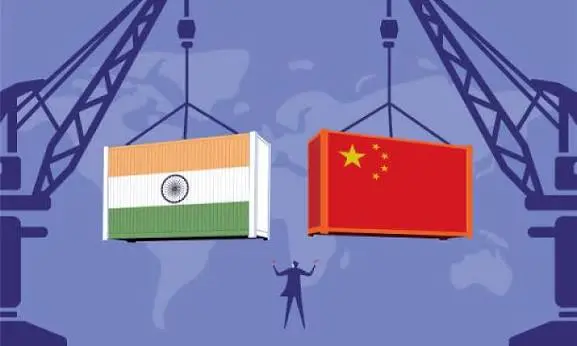
Government officials familiar with the proposal say the programme is designed to stimulate local production of critical battery components while reducing the country's heavy reliance on imports, particularly from China. The initiative is expected to work in tandem with existing policies focused on expanding India's battery manufacturing base and speeding up the country's clean energy transition.
Although India has previously launched incentive programmes targeting advanced battery cell manufacturing, policymakers are now turning their attention to the wider battery supply chain. Industry voices have long called for greater localisation of key components used in battery production, arguing that doing so is essential to sharpen competitiveness and cut import dependency.
The proposed scheme is expected to channel support toward domestic manufacturing of battery materials and components through a blend of fiscal incentives and targeted policy measures.
Conference
Conference
Officials are confident the initiative will help build a more integrated battery manufacturing ecosystem while drawing fresh investment into the sector.
India's battery industry today remains heavily dependent on imported cells and components. Research indicates that a substantial portion of the lithium-ion batteries used domestically continues to be sourced from international markets, highlighting a critical gap in the country's industrial capabilities.
The planned programme fits squarely within the government's broader ambition to scale up domestic manufacturing across clean energy and advanced technology sectors. As demand for electric vehicles and battery energy storage systems continues to climb, producing battery components locally is increasingly seen as a cornerstone of both energy security and long-term industrial development.
This move also comes as the government doubles down on strengthening manufacturing through targeted incentive frameworks. Recent initiatives spanning electronics and advanced manufacturing have consistently prioritised building local supply chains, attracting strategic investment, and trimming import reliance.
Industry analysts believe the proposed battery component scheme could fill a critical void in India's battery value chain by encouraging domestic production of key materials and intermediate products. If rolled out effectively, the programme is expected to help nurture a resilient domestic ecosystem capable of serving both the fast-growing electric vehicle market and large-scale energy storage applications.
The government is expected to firm up the final framework following consultations with industry stakeholders and the relevant ministries.
Explore the latest edition of Journal of Supply Chain Magazine and be part of the JOSC News Bulletin.
Discover all our upcoming events and secure your tickets today.
Journal of Supply Chain is a Hansi Bakis Media brand.
Subscribe to our Daily Newsletter
Subscribe For FreeBy continuing you agree to our Privacy Policy & Terms & Conditions