News
India Must Cut China Dependence in EV Supply Chain, Says PMO Advisor
 Our Correspondent,
Our Correspondent,
Our Correspondent,
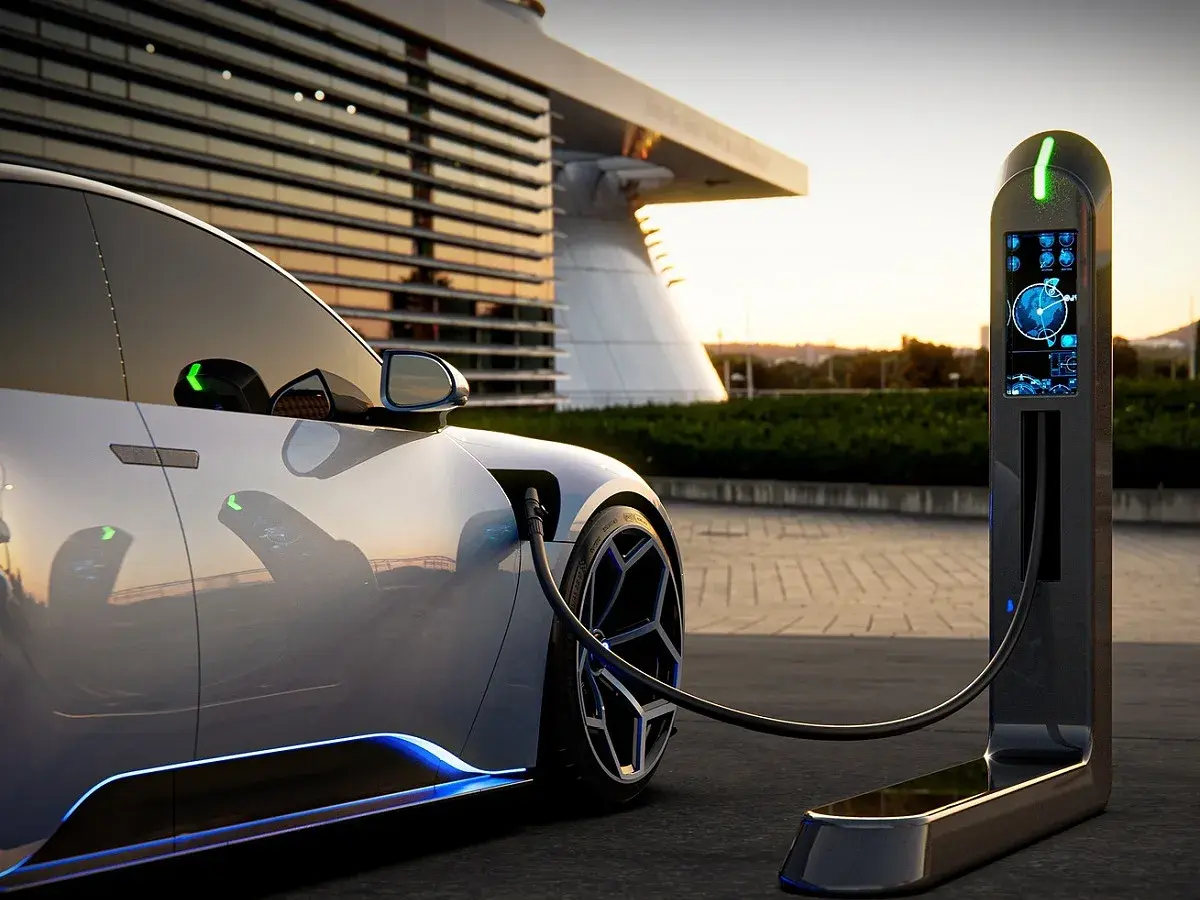
India needs to steadily reduce its reliance on China for critical electric vehicle components by building robust domestic manufacturing capabilities across the entire EV value chain, according to Tarun Kapoor, Advisor to the Prime Minister in the Prime Minister's Office (PMO).
Addressing ASSOCHAM's National Conference on Building India an Electric Mobility Hub, Kapoor said that recent geopolitical shifts have made electric mobility not just a clean energy solution but a strategic necessity for reinforcing India's energy security and manufacturing resilience.
Kapoor stressed that India must pursue two goals simultaneously: accelerating EV adoption and localising the production of batteries, magnets, and other critical components to reduce vulnerability to global supply chain disruptions.
"We have to see how our dependence on China goes down," Kapoor said, emphasising that India should progressively increase domestic value addition throughout the EV ecosystem.
Conference
Conference
While conceding that complete self-reliance may not be a realistic goal in the near term, he said India should aim to manufacture as many critical components at home as possible.
The government, he added, would actively support initiatives that strengthen domestic manufacturing capabilities as India's EV ecosystem continues to mature.
Kapoor also called for a significantly faster transition to electric mobility, pinpointing electric two-wheelers as the most immediate priority given that they account for the largest share of petrol consumption in the country. He identified commercial vehicles, including trucks and buses, as the next critical segment to target in order to bring down diesel consumption.
To drive faster adoption, he pointed to the need for innovative financing models, flexible battery ownership solutions, expanded charging infrastructure, and focused electrification of key commercial transport corridors. He also urged industry stakeholders to invest aggressively and collaborate closely with policymakers to scale up India's EV manufacturing base.
Describing electric mobility as "a mission for all of us," Kapoor noted that even a modest reduction in petroleum consumption would deliver meaningful economic benefits by lowering India's crude oil import bill and reducing the country's exposure to global supply disruptions.
Explore the latest edition of Journal of Supply Chain Magazine and be part of the JOSC News Bulletin.
Discover all our upcoming events and secure your tickets today.
Journal of Supply Chain is a Hansi Bakis Media brand.
Subscribe to our Daily Newsletter
Subscribe For FreeBy continuing you agree to our Privacy Policy & Terms & Conditions