News
India Called to Tackle Supply Chain Gaps in Power Transmission
 Anamika Mishra,
Sub Editor
Anamika Mishra,
Sub Editor
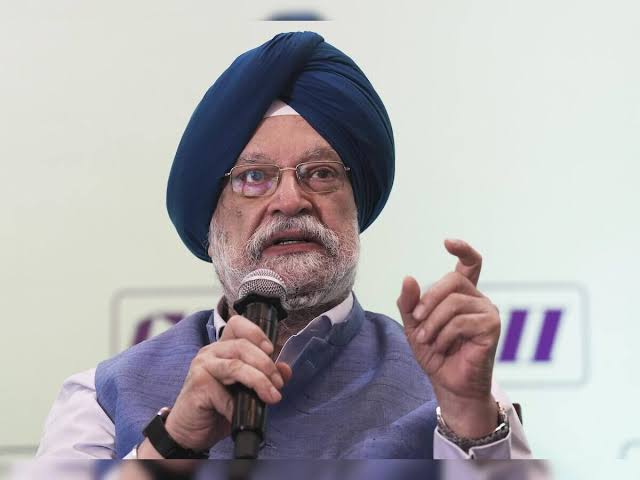
During a brainstorming session at the Central Electricity Authority, Power Secretary Pankaj Agarwal emphasized the importance of addressing supply chain gaps in India’s power transmission sector to meet the goal of achieving 500 GW of renewable energy capacity by 2030. He proposed implementing a Production-Linked Incentive (PLI) scheme to localize the supply chain for transmission equipment.
Agarwal pointed out a global challenge highlighted in an International Energy Agency (IEA) report, which noted that 1,650 GW of renewable energy capacity is waiting to be connected to transmission systems worldwide. He warned that power transmission costs are expected to rise at a compounded annual growth rate (CAGR) of 14.5% over the next five years.
The transmission sector is facing significant supply chain constraints, intensified by the increasing demand for transmission equipment driven by the rapid deployment of renewable energy. A report from Wood Mackenzie indicated that transformer shortages have led to price increases of 40-60% since January 2022.
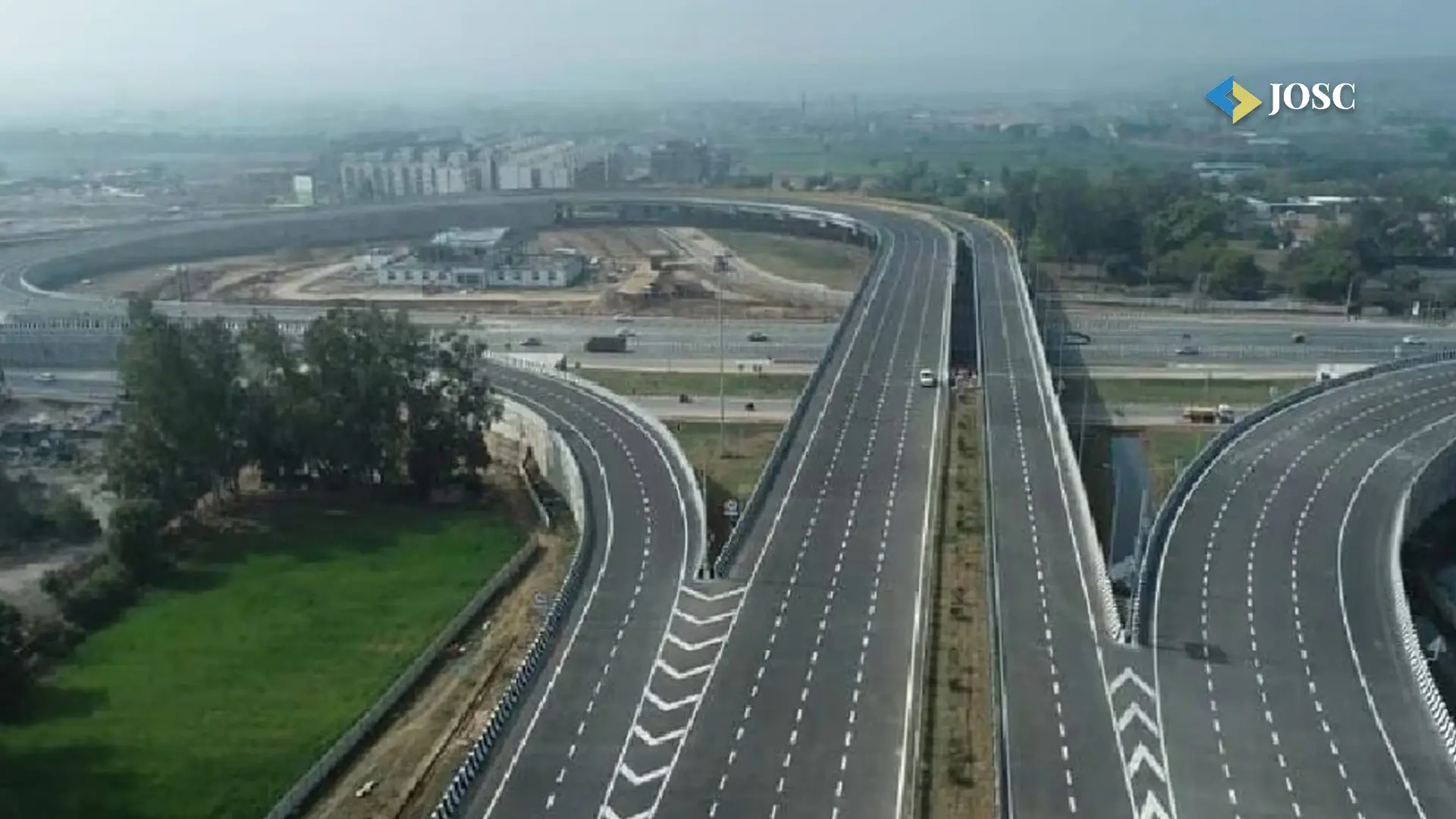
In India, renewable energy projects are frequently commissioned faster than the accompanying transmission infrastructure can be developed, which typically takes 4 to 4.5 years. Agarwal noted that, in addition to supply chain challenges, issues related to Right of Way (RoW) further complicate the situation.
To sustain growth in the sector and ensure a reliable energy supply, it is essential to optimize costs across the entire value chain.
Explore the latest edition of Journal of Supply Chain Magazine and be part of the JOSC News Bulletin.
Discover all our upcoming events and secure your tickets today.
Journal of Supply Chain is a Hansi Bakis Media brand.
Subscribe to our Daily Newsletter
Subscribe For FreeBy continuing you agree to our Privacy Policy & Terms & Conditions