News
Global Shipping Giants Eye India's Dadri Multimodal Hub as Logistics Race Heats Up
 Our Correspondent,
Our Correspondent,
Our Correspondent,
India's logistics sector is undergoing a significant transformation, and the world's leading container shipping lines are taking notice. With the country doubling down on integrated supply chain infrastructure, major global carriers are now actively evaluating investment opportunities in multimodal logistics hub projects across India — a move that signals growing confidence in the country's freight future.
At the heart of this shifting interest is the expanding hub-and-spoke logistics model, a strategy that has gained considerable traction following the formation of the Gemini Cooperation between Maersk and Hapag-Lloyd. This approach, which centralises cargo at key nodes before distributing it across a wider network, is pushing carriers to deepen their inland logistics footprint in India through large-scale infrastructure commitments.
The Indian government has been laying the groundwork for this transition for some time. As part of a sweeping logistics modernisation agenda, New Delhi has approved the development of 35 multimodal logistics parks spread across the country. In addition, five mega multimodal logistics hubs have been earmarked at strategic locations — Dadri, Jogighopa, Nagpur, Chennai, and Bengaluru each chosen for their geographic and economic significance.
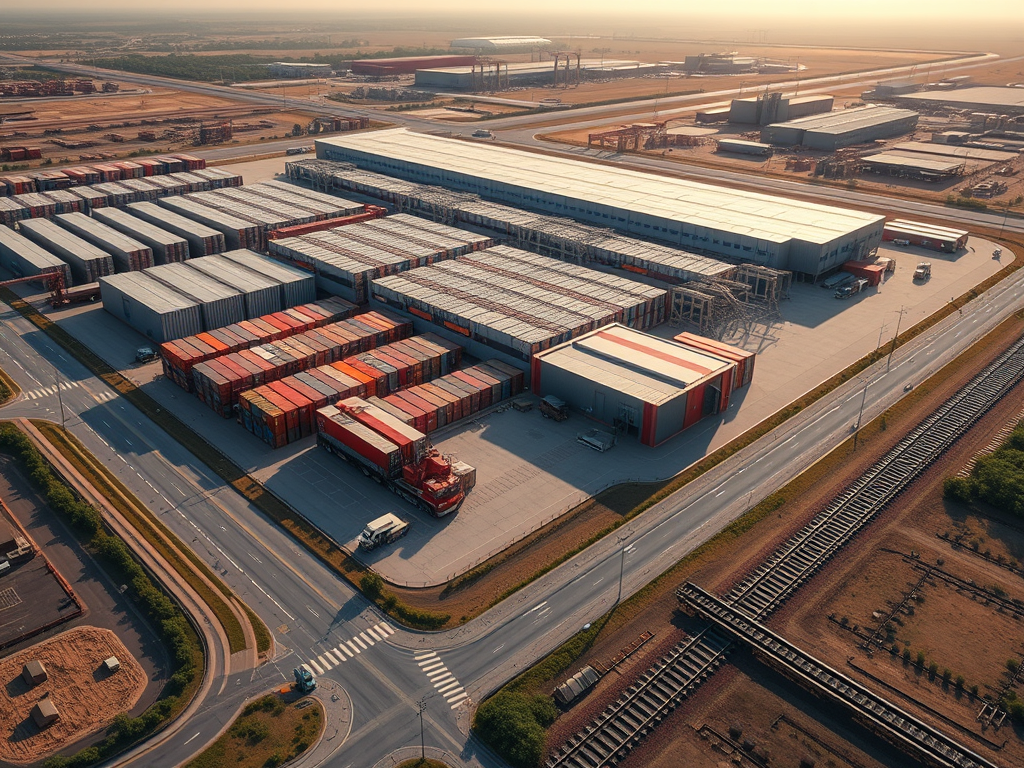
Of these, the proposed Dadri logistics hub, situated near Delhi, has quickly emerged as the most closely watched project. Its combination of strategic connectivity and substantial cargo-generation potential has attracted interest from both global shipping majors and Indian infrastructure conglomerates. According to industry sources, container carriers including CMA CGM, Maersk, and Mediterranean Shipping Company are actively evaluating bids for the project either independently or through joint venture arrangements. The deadline for tender submissions is expected to fall later this month, making the coming weeks a pivotal period for the project.
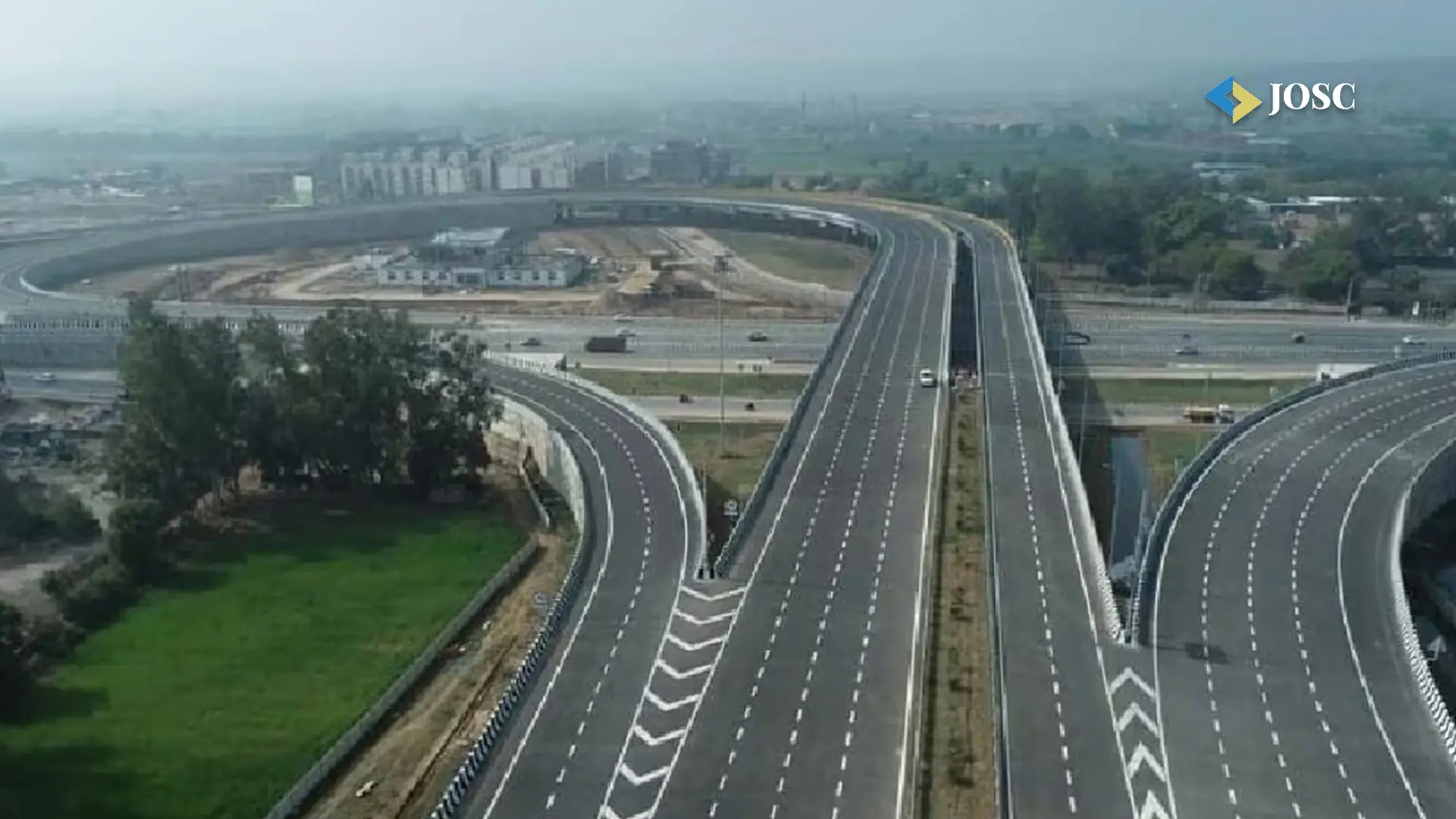
The scale of the Dadri project is considerable. Planned across approximately 825 acres, the first phase of development alone carries an estimated price tag of around USD 250 million. The hub's location is particularly advantageous it sits near the junction of India's Eastern and Western Dedicated Freight Corridors, positioning it as a natural bridge between northern manufacturing centres and major western gateway ports, including Jawaharlal Nehru Port (JNPA) and Mundra Port.
Project documentation makes clear that the Dadri hub is designed with export-oriented industries in western Uttar Pradesh firmly in mind.
Conference
Conference
By reducing transit times to JNPA and improving overall logistics efficiency, the hub is intended to strengthen the region's appeal as a manufacturing and investment destination a goal closely aligned with India's broader ambitions to become a global supply chain powerhouse.
The project's investment case has gained further momentum in recent months, following successful trial train operations conducted by JNPA over the 1,500-kilometre Dedicated Freight Corridor network ahead of full commercial deployment. Trade stakeholders are optimistic that once fully operational, the corridor will deliver meaningful improvements in cargo velocity and reliability for hinterland shippers addressing a long-standing bottleneck in India's freight ecosystem.
The multimodal hub initiative is also tightly woven into India's longer-term Delhi-Mumbai Industrial Corridor (DMIC) vision. This ambitious programme aims to accelerate industrial growth, drive infrastructure investment, and foster integrated freight connectivity across some of the country's most economically significant regions. The Dadri hub, in this context, is not merely a logistics project it is a piece of a much larger industrial and economic puzzle.
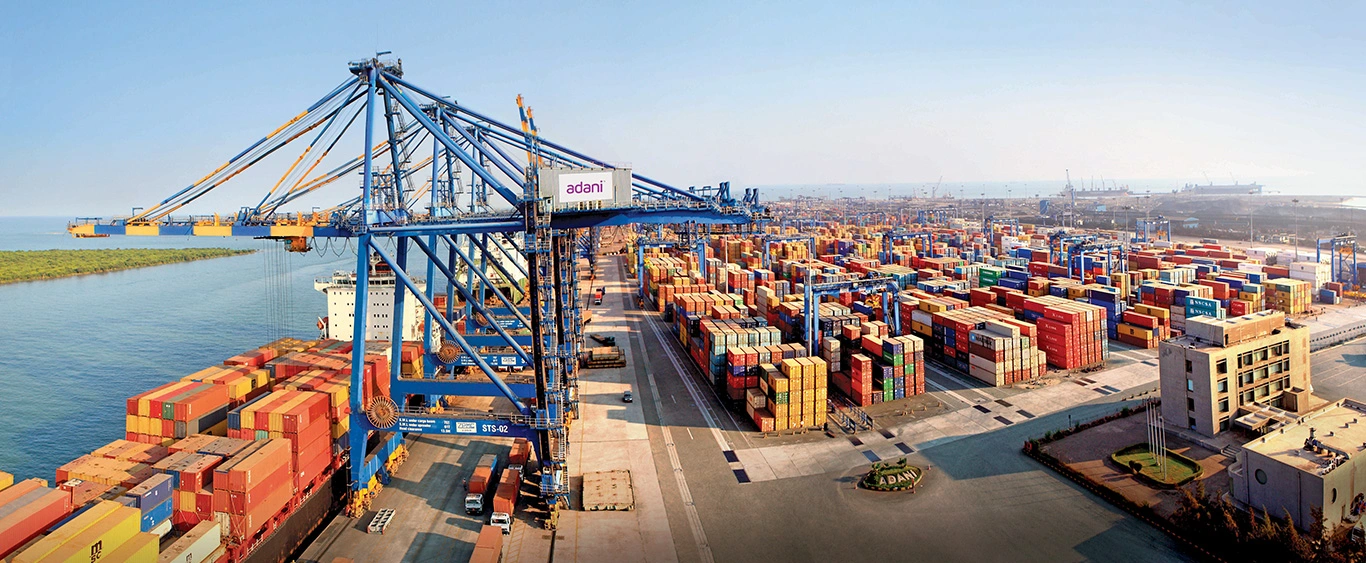
India's domestic infrastructure heavyweights are equally engaged. Industry reports suggest that major Indian groups, including Adani Group, Welspun World, and GR Infraprojects, are also exploring participation in the Dadri project. Their involvement underscores the hub's perceived strategic value and reflects the broader trend of Indian conglomerates expanding aggressively into logistics and infrastructure.
The commercial logic for global shipping lines is straightforward. A substantial portion of the export-import cargo flowing through Mundra and Nhava Sheva originates from northern India, making Dadri an indispensable logistics node for any carrier seeking to build integrated inland distribution capabilities. Controlling or co-owning a hub of this scale would allow carriers to offer more seamless, end-to-end supply chain solutions a competitive differentiator that has become increasingly important in a market where shippers demand greater visibility and reliability.
CMA CGM, in particular, has been among the most aggressive in expanding its inland logistics presence across India, building out warehousing, depot, and distribution operations as part of a broader push to offer integrated supply chain services beyond port-to-port shipping.
At the macro level, India's logistics competitiveness is steadily improving. Government data indicates that logistics costs for Indian exporters and importers declined to approximately 7.97% of GDP during 2023-24 a meaningful improvement that reflects the cumulative impact of policy reforms and infrastructure investment over recent years. While the country still has ground to cover relative to more mature logistics markets, the trajectory is encouraging and the pace of change is accelerating.
The convergence of government ambition, private capital, and global carrier interest around projects like Dadri marks a defining moment for India's logistics landscape. If executed well, these multimodal hubs could fundamentally reshape how freight moves across the country and cement India's position as a critical node in global supply chains for decades to come.
Explore the latest edition of Journal of Supply Chain Magazine and be part of the JOSC News Bulletin.
Discover all our upcoming events and secure your tickets today.
Journal of Supply Chain is a Hansi Bakis Media brand.
Subscribe to our Daily Newsletter
Subscribe For FreeBy continuing you agree to our Privacy Policy & Terms & Conditions