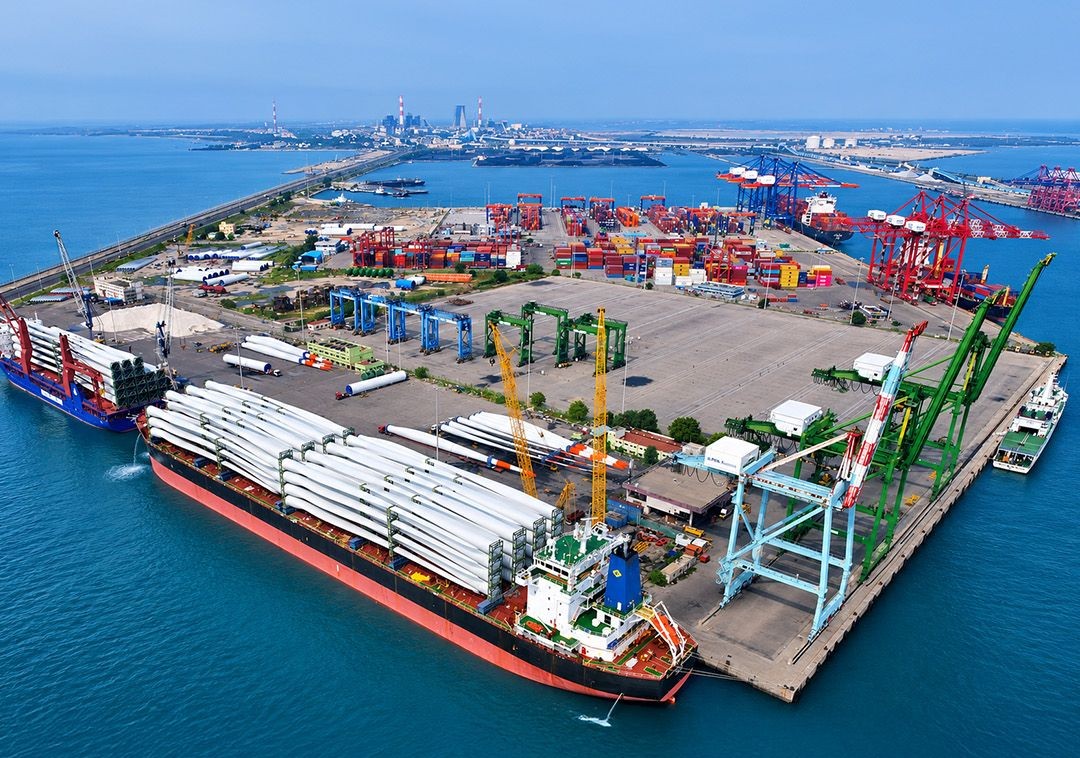
MUMBAI: India's ports have recorded steady growth in cargo handling and operational efficiency over the past decade. However, weaknesses in inland connectivity, logistics coordination and shipping services could prevent the country from fully benefiting from this progress, according to a report released by FICCI and Kearney in Mumbai.
Titled India's Maritime Agenda for 2030: From Efficient Ports to Globally Connected Trade Gateways, the report highlights that the next stage of maritime development will depend on more than expanding port infrastructure. Shipping services, inland transport links, logistics networks and industrial connections will play an equally important role in linking ports with domestic and international markets.
The report recommends that the government and industry adopt separate development strategies for four types of maritime gateways by 2030: container gateways, transshipment hubs, industrial and energy gateways, and specialised export corridors.
The recommendations build on the progress made by India's port sector over the past decade. Cargo handled at major and non-major ports increased by 38 per cent between FY2017-18 and FY2025-26, rising from 1,209 million tonnes to 1,668 million tonnes. During the same period, total handling capacity grew by 22 per cent to 2.8 billion tonnes annually. Capacity utilisation also improved from 52 per cent to 59 per cent, indicating that the system still has room for further growth.
Operational performance has improved as well. Average vessel turnaround time at major ports declined by 18 per cent to around 49 hours. Jawaharlal Nehru Port Authority (JNPA), Pipavav and Mundra also feature among the world's top 30 ports in the World Bank's Container Port Performance Index 2025.
However, the report points out that some of the biggest bottlenecks now occur beyond the port's immediate operations. Data from the 2025 National Time Release Study covering four major seaports shows that export approval took an average of around 30 hours. The period between approval and vessel departure, however, extended to approximately 158 hours, accounting for 84 per cent of the total measured time.
At Jawaharlal Nehru Custom House, export customs clearance averaged 2 hours and 12 minutes in 2026, while the complete export cycle took more than eight days. The report clarifies that this period includes logistics activity and scheduled waiting, not just unnecessary delays. Nevertheless, the findings underline the importance of better coordination across the export process.
Conference
Conference
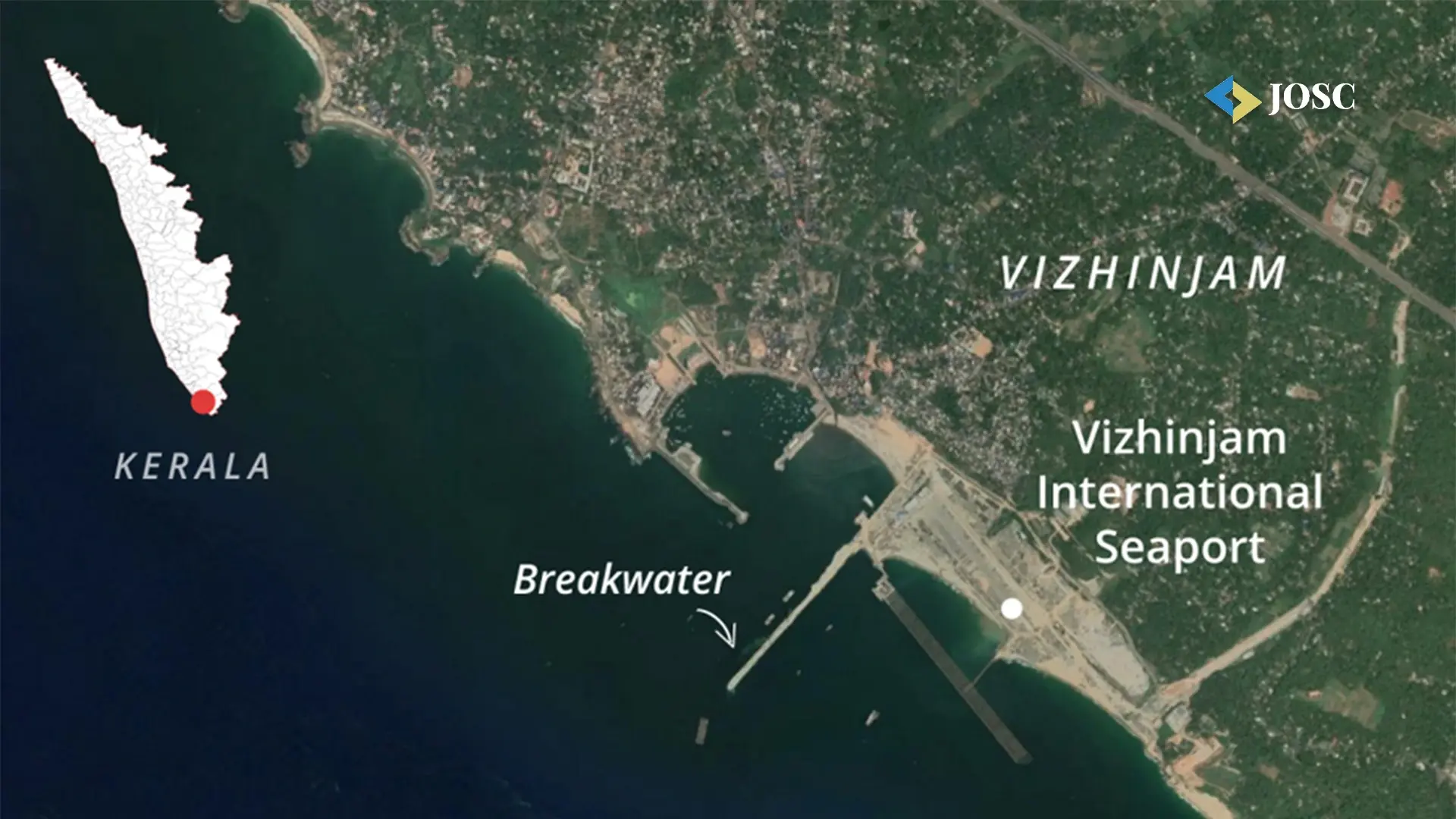
Transshipment remains another area requiring attention. As of May 2025, overseas ports handled around 75 per cent of India's transshipment containers. The commissioning of Vizhinjam in the same month added deepwater capacity within the country. However, subsequent changes in shipping-line rotations demonstrate that establishing a successful transshipment hub requires sustained connectivity and commercial commitments.
Private-sector participation in port operations has also increased under the Major Port Authorities Act, 2021. Privately operated terminals now handle approximately two-thirds of cargo at major ports, compared with the government's target of 85 per cent by 2030.
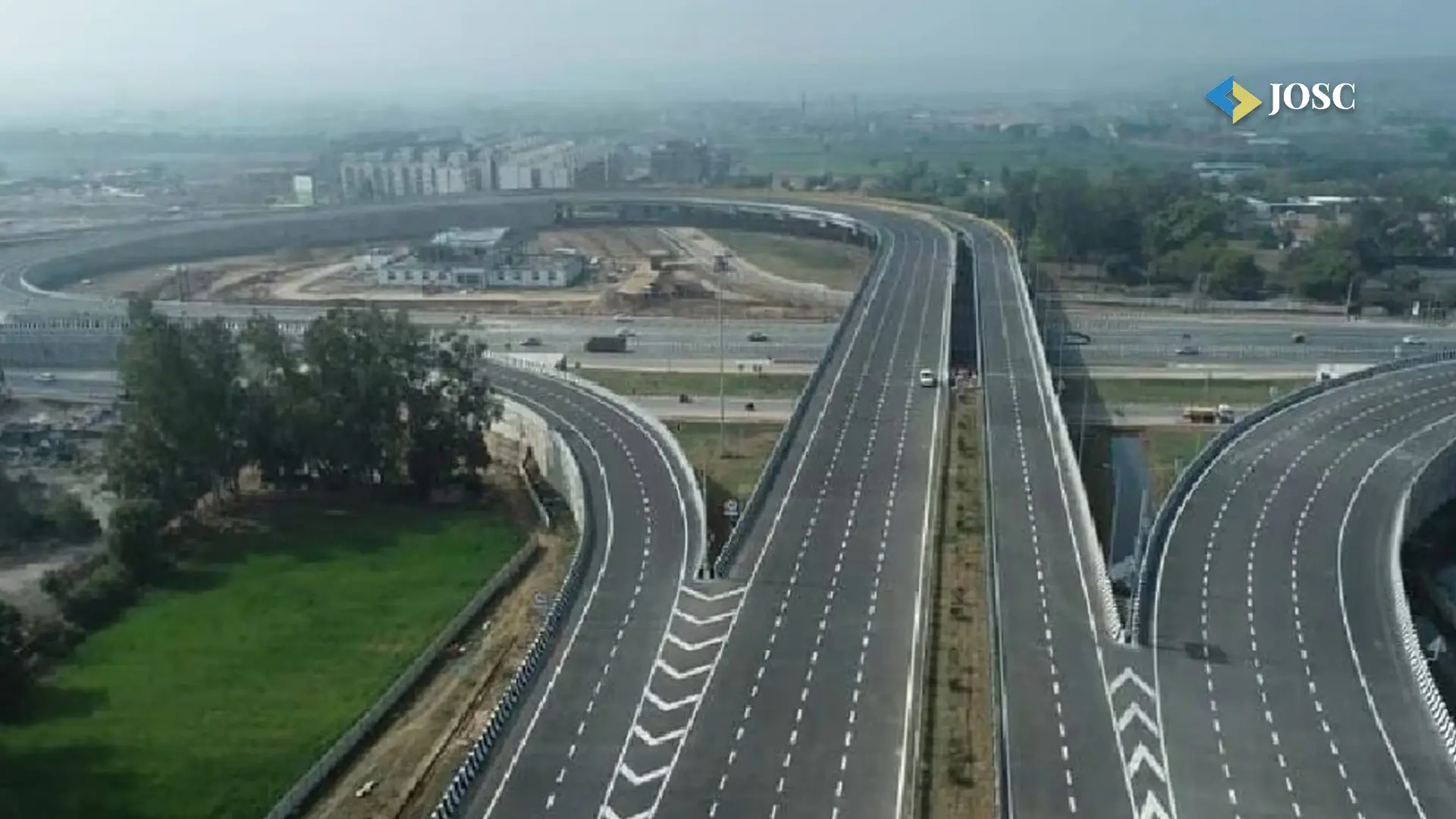
In terms of inland connectivity, 84 of the 294 road and rail projects identified to connect ports with their hinterlands had been completed by July 2026. The 1,506-kilometre Western Dedicated Freight Corridor, linking JNPA with Dadri, was fully commissioned in March 2026.
Drawing lessons from established global maritime centres such as Shanghai-Ningbo, Rotterdam, Jebel Ali and Singapore, the report evaluates Indian gateways across six key areas. These include berth productivity, shipping-line services, industrial clusters and digital border systems, among other factors.
The report outlines three major priorities for the government. First, the Ministry of Ports, Shipping and Waterways and state governments should identify the cargo segments, industrial regions and international markets that each priority gateway is expected to serve. Infrastructure investment should then be aligned with actual and demonstrated demand.
Second, road and rail connectivity projects should be planned around real cargo movement patterns, with closer coordination between port authorities, the railways and road transport ministries.
Third, shipment data and time-release studies should be used more effectively to identify where cargo spends time during the movement process and understand the reasons behind delays.
The report also recommends appointing a dedicated coordinator for each maritime gateway. Every development measure should have a clearly assigned owner, funding arrangement and completion milestone. Progress should be assessed through indicators such as total shipment costs, transit reliability, market access, cargo growth and commercial returns.
Explore the latest edition of Journal of Supply Chain Magazine and be part of the JOSC News Bulletin.
Discover all our upcoming events and secure your tickets today.
Journal of Supply Chain is a Hansi Bakis Media brand.
Subscribe to our Daily Newsletter
Subscribe For FreeBy continuing you agree to our Privacy Policy & Terms & Conditions