Leaders Opinion
Transforming the EPC Supply Chain with New Technology and AI

The Engineering, Procurement, and Construction (EPC) industry is at the cusp of a technological revolution. With the integration of new technologies and artificial intelligence (AI), the supply chain landscape is undergoing a significant transformation.
The Role of Technology in EPC Supply Chains
The EPC industry is characterized by complex projects that require meticulous planning, coordination, and execution. Traditional supply chain management methods often fall short in addressing the dynamic challenges of this sector. However, the advent of new technologies is bridging these gaps, offering robust solutions to enhance operational efficiency.
-
Digital Twins: Digital twin technology creates a virtual replica of physical assets, processes, and systems. In the EPC industry, digital twins enable real-time monitoring and predictive maintenance, reducing downtime and optimizing asset performance. For example, a digital twin of a construction site can simulate different scenarios, allowing project managers to make informed decisions and mitigate risks. This technology also facilitates better coordination among teams by providing a unified view of the project.
-
Blockchain: Blockchain technology ensures transparency and traceability in the supply chain. For EPC projects, which involve multiple stakeholders and complex transactions, blockchain provides a secure and immutable ledger. This enhances trust among parties, reduces fraud, and streamlines procurement processes. A practical use case is in the procurement of materials, where blockchain can track the origin and movement of goods, ensuring authenticity and compliance with contractual terms.
-
Internet of Things (IoT): IoT devices collect and transmit data from various points in the supply chain. In the EPC sector, IoT sensors can monitor equipment health, track materials, and ensure safety compliance. For instance, IoT-enabled sensors on construction equipment can provide real-time data on usage and performance, enabling proactive maintenance and reducing downtime. Additionally, IoT can enhance logistics by providing real-time tracking of shipments, ensuring timely delivery and reducing the risk of damage.
The Impact of AI on EPC Supply Chains
Artificial intelligence is revolutionizing supply chain management by automating processes, analyzing vast amounts of data, and providing actionable insights. In the EPC industry, AI applications are particularly transformative.
-
Predictive Analytics: AI-driven predictive analytics can forecast demand, identify potential supply chain disruptions, and optimize inventory levels. For EPC projects, this means better resource allocation, reduced waste, and timely project completion. For example, predictive analytics can analyze historical data and market trends to forecast the demand for construction materials, ensuring that supplies are ordered in advance and reducing the risk of project delays.
-
Robotic Process Automation (RPA): RPA automates repetitive and time-consuming tasks such as data entry, invoice processing, and compliance reporting. By freeing up human resources, RPA allows EPC companies to focus on strategic activities, enhancing productivity and reducing operational costs. A practical example is the automation of invoice processing, where RPA can quickly and accurately handle large volumes of invoices, reducing errors and speeding up payment cycles.
-
Machine Learning: Machine learning algorithms analyze historical data to identify patterns and trends. In the EPC supply chain, this can improve supplier selection, enhance risk management, and optimize logistics. Machine learning models can also predict equipment failures, enabling preventive maintenance and reducing downtime. For instance, machine learning can analyze data from past projects to identify the most reliable suppliers, improving procurement decisions and reducing the risk of delays due to supplier issues.
Conference

Conference

Enhancing Procurement and Logistics
Procurement and logistics are critical components of the EPC supply chain, and new technologies are significantly enhancing these areas.
-
Smart Procurement: AI and machine learning are transforming procurement by automating supplier selection, contract management, and purchase order processing. Predictive analytics can forecast market trends and price fluctuations, enabling better negotiation and cost savings. Blockchain ensures transparency and traceability in procurement transactions, reducing fraud and enhancing trust among stakeholders. For example, blockchain can be used to verify the authenticity of materials and ensure compliance with procurement contracts, reducing the risk of counterfeit goods.
-
Optimized Logistics: IoT and AI are revolutionizing logistics by providing real-time tracking of materials and equipment. IoT sensors can monitor the condition and location of shipments, ensuring timely delivery and reducing the risk of damage. AI algorithms optimize routing and scheduling, minimizing transportation costs and improving delivery efficiency. Additionally, predictive analytics can anticipate potential disruptions in the logistics chain, allowing for proactive measures to mitigate delays. For instance, AI can analyze traffic patterns and weather conditions to optimize delivery routes, ensuring materials arrive on time and in good condition.
Current Challenges
Despite the promising advancements, the EPC supply chain faces several challenges:
-
Data Integration: Integrating data from various sources and systems remains a significant hurdle. Ensuring seamless data flow and interoperability between different technologies is crucial for maximizing the benefits of AI and IoT.
-
Cybersecurity: With increased digitalization, the risk of cyber threats also rises. Protecting sensitive data and ensuring the security of digital infrastructure is paramount.
-
Skill Gaps: The adoption of new technologies requires a workforce with specialized skills. Bridging the skill gap through training and development is essential for successful implementation.
Opportunities and Future Trends
The future of the EPC supply chain is brimming with opportunities:
-
Sustainability: Technologies like AI and IoT can drive sustainability by optimizing resource use, reducing waste, and enhancing energy efficiency. The focus on green construction and sustainable practices is likely to grow.
-
Advanced Analytics: The use of advanced analytics will continue to expand, providing deeper insights and enabling more precise decision-making. Predictive and prescriptive analytics will become integral to supply chain management.
-
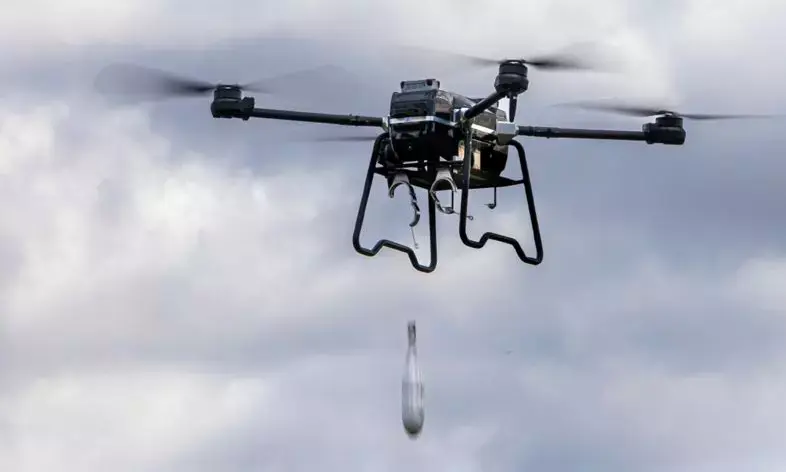
Autonomous Systems: The development of autonomous systems, such as drones for site inspections and autonomous vehicles for material transport, will further enhance efficiency and safety in the EPC supply chain.
In conclusion, the EPC supply chain is being transformed by new technologies and AI. From digital twins and blockchain to predictive analytics and machine learning, these innovations are enhancing efficiency, reducing costs, and improving project outcomes. As the industry continues to evolve, the adoption of these technologies will be crucial in maintaining a competitive edge and achieving sustainable growth.
Explore the latest edition of Journal of Supply Chain Magazine and be part of the JOSC News Bulletin.
Discover all our upcoming events and secure your tickets today.
Journal of Supply Chain is a Hansi Bakis Media brand.
Leave Comment
Join the community of 150,000+ industry professionals
Subscribe to our Daily Newsletter
Subscribe For FreeBy continuing you agree to our Privacy Policy & Terms & Conditions
Latest







Feature Articles






Related