Leaders Opinion
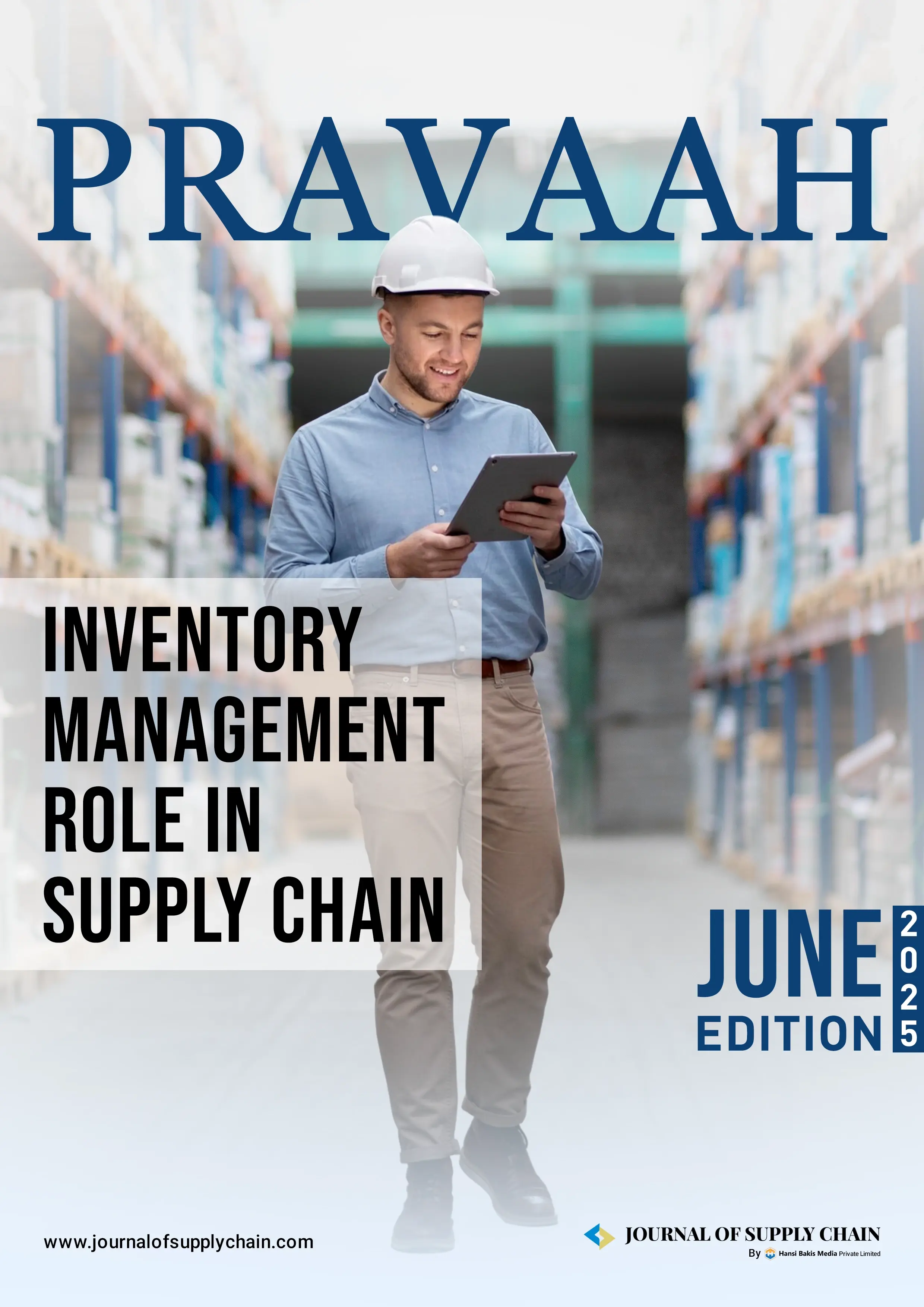
Inventory Management

Introduction
Inventory management is a systematic approach to sourcing, storing, and selling inventory—both raw materials and finished goods. It plays a pivotal role in ensuring that the right products are available in the right quantity, at the right time, and at the right cost. Efficient inventory management minimizes costs, maximizes profits, and ensures uninterrupted operations.
Importance of Inventory Management
-
Operational Continuity: Prevents disruptions in production or sales by ensuring stock availability.
-
Cost Efficiency: Reduces holding, ordering, and shortage costs.
-
Customer Satisfaction: Ensures timely delivery of products.
-
Accurate Financial Reporting: Maintains precise inventory valuation for balance sheets.
-
Demand Forecasting: Aids in better production and procurement planning.
Categories of Inventory
-
Raw Materials: Components used in manufacturing or production.
-
Work-in-Progress (WIP): Semi-finished goods in the production pipeline.
-
Finished Goods: Products that are ready for sale.
-
Maintenance, Repair, and Operations (MRO): Items used in the upkeep of operations like lubricants, gloves, and tools.
Inventory Management Techniques
-
ABC Analysis:
-
Prioritizes inventory into three categories (A, B, and C) based on value and frequency of use.
-
Just-In-Time (JIT):
-
Inventory is received only when needed in the production process, reducing holding costs.
-
Economic Order Quantity (EOQ):
-
A formula used to determine the optimal order quantity that minimizes total inventory costs.
-
FIFO (First-In, First-Out):
-
Oldest inventory items are sold first, commonly used in perishable goods.
-
LIFO (Last-In, First-Out):
-
Most recent inventory items are sold first, typically used in industries with rising costs.
-
Reorder Point (ROP):
-
The inventory level at which a new order is placed.
-
Safety Stock:
-
Extra inventory kept as a buffer against uncertain demand or supply.
Diagram: Inventory Control Cycle
-
Inventory Planning
-
Stock Monitoring
-
Reorder Point Evaluation
-
Purchase Order
-
Goods Receipt
 Role of Technology in Inventory Management
-
Enterprise Resource Planning (ERP):
-
Integrates inventory with other business functions like finance, sales, and procurement (e.g., SAP, D365).
-
Barcode & RFID Systems:
-
Automate tracking of stock movement, improving speed and accuracy.
-
Inventory Management Software:
-
Platforms like Zoho Inventory, NetSuite, and QuickBooks offer inventory tracking, sales integration, and reporting.
-
IoT and AI Integration:
-
Real-time inventory monitoring and predictive analytics for demand forecasting.
Benefits of Effective Inventory Management
-
Reduced Wastage: Prevents overstocking and obsolescence.
-
Improved Cash Flow: Frees up working capital.
-
Enhanced Accuracy: Minimizes human error in stock tracking.
-
Faster Order Fulfillment: Ensures on-time delivery.
-
Better Supplier Relationship Management: Through timely reordering.
Conference

Conference

Common Challenges
-
Inaccurate Demand Forecasting: Leads to excess or insufficient inventory.
-
Supply Chain Disruptions: Delay or halt in stock availability.
-
High Holding Costs: Especially for perishable or high-value items.
-
Stock Theft and Shrinkage: Causes loss of valuable inventory.
-
Manual Errors: In data entry or stock counting.
Best Practices for Inventory Management
-
Conduct regular physical audits and reconcile with digital records.
-
Implement automated tracking systems.
-
Use forecasting tools based on historical and seasonal trends.
-
Maintain transparent communication with suppliers.
-
Establish standard operating procedures (SOPs) for inventory handling.
Material Planning
Introduction
Material planning is a critical function within supply chain and production management. It involves estimating, scheduling, and managing the flow of materials to ensure that the right quantities are available at the right time and place for production. The goal is to optimize inventory levels while ensuring uninterrupted manufacturing processes.
Objectives of Material Planning
-
Ensure timely availability of materials for production.
-
Minimize excess inventory and avoid stockouts.
-
Improve production efficiency and reduce downtime.
-
Coordinate procurement and manufacturing schedules.
-
Support cost control and budget adherence.
Types of Material Planning
-
Gross Requirements Planning (GRP): Calculates total material needs without considering current stock.
-
Net Requirements Planning (NRP): Considers existing inventory and scheduled receipts to calculate actual material needs.
-
Manufacturing Resource Planning (MRP II): Expands MRP to include labor, equipment, and financial planning.
Diagram: Material Planning Process
-
Demand Forecasting
-
Bill of Materials (BOM)
-
Inventory Check
-
Net Requirements
-
Procurement Plan
Tools and Techniques in Material Planning
-
Bill of Materials (BOM): Detailed list of raw materials and components.
-
Material Requirements Planning (MRP): Software systems that calculate what materials are needed and when.
-
Lead Time Analysis: Helps determine when to place orders.
-
Capacity Planning: Ensures material availability aligns with production capabilities.
Role of Technology in Material Planning
-
ERP Integration: Systems like SAP and Microsoft D365 offer automated material planning based on sales and production data.
-
AI & Machine Learning: Predict demand fluctuations and optimize planning.
-
Cloud-based Planning Tools: Allow real-time collaboration across departments.
Benefits of Effective Material Planning
-
Reduced material shortages and production delays.
-
Lower inventory carrying costs.
-
Improved supplier coordination.
-
Enhanced production scheduling.
-
Higher overall supply chain efficiency.
Challenges in Material Planning
-
Inaccurate demand forecasting.
-
Variable supplier lead times.
-
BOM errors or changes.
-
Disconnected planning across departments.
Conclusion
Inventory management is a strategic function that supports all key aspects of business operations. By adopting advanced technologies, structured processes, and continuous monitoring, organizations can achieve greater control over their inventory, reduce operational costs, and provide a seamless customer experience. Whether for manufacturing, retail, or distribution, a well-implemented inventory system is a cornerstone of efficiency and profitability.
Material planning is essential to ensure smooth and cost-effective manufacturing operations. By forecasting accurately, utilizing modern planning tools, and coordinating closely with suppliers and production teams, organizations can reduce waste, control costs, and increase customer satisfaction. An integrated approach to material and inventory planning leads to a resilient and agile supply chain.
Explore the latest edition of Journal of Supply Chain Magazine and be part of the JOSC News Bulletin.
Discover all our upcoming events and secure your tickets today.
Journal of Supply Chain is a Hansi Bakis Media brand.
Leave Comment
Join the community of 150,000+ industry professionals
Subscribe to our Daily Newsletter
Subscribe For FreeBy continuing you agree to our Privacy Policy & Terms & Conditions







Feature Articles