Article
Life of a Giant Ship in Transportation
 Anamika Mishra,
Sub Editor
Anamika Mishra,
Sub Editor
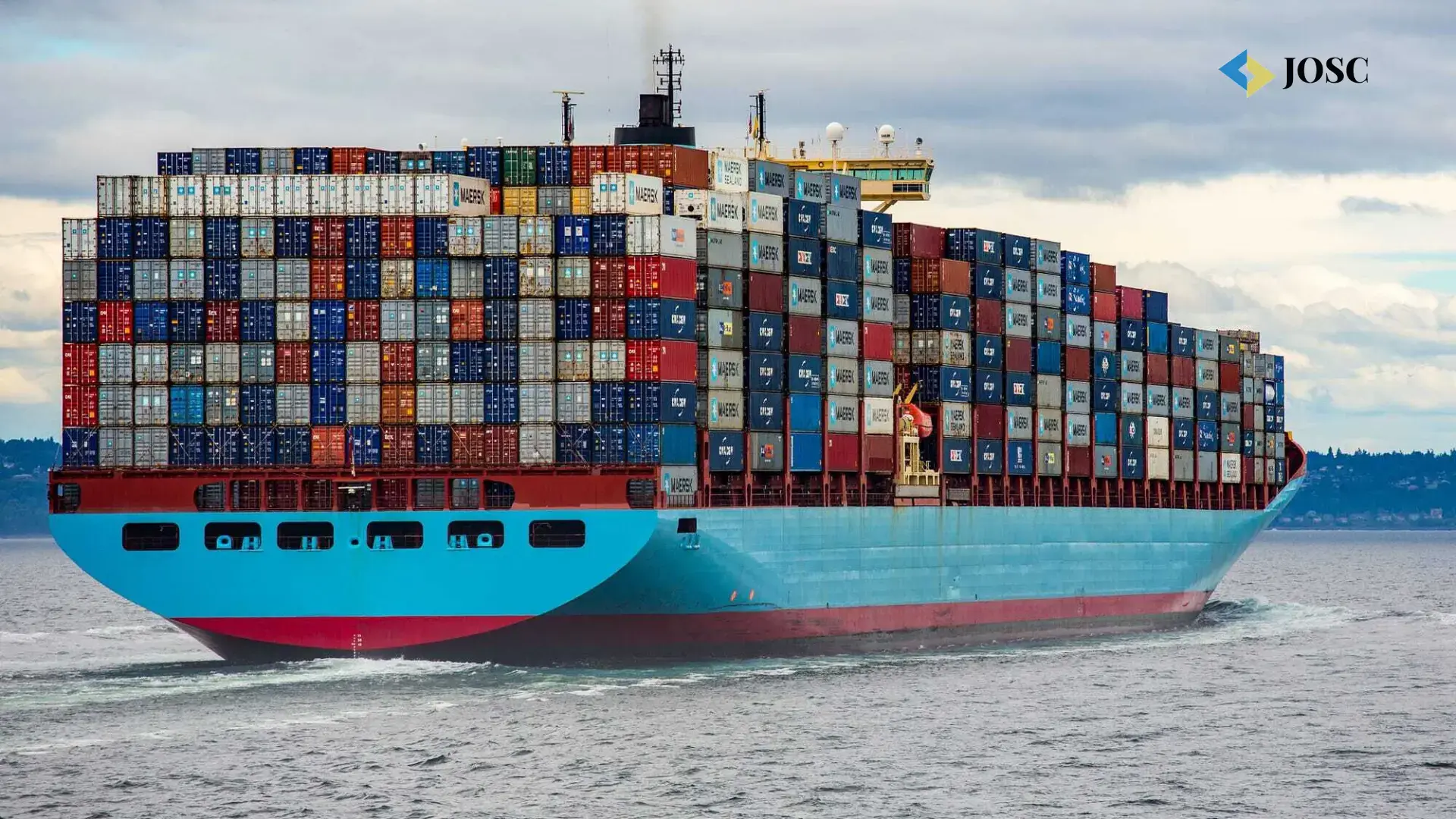
India’s maritime heritage is centuries old, but its role in the modern shipping industry is more vital than ever. With a coastline stretching over 7,500 kilometers and handling nearly 95% of the country's trade by volume and 70% by value, maritime transport is the backbone of India’s global commerce. According to the Ministry of Ports, Shipping and Waterways, India’s ports handled around 1,485 million metric tonnes (MMT) of cargo in FY 2023–24, reflecting the scale at which ocean-going vessels contribute to the economy.
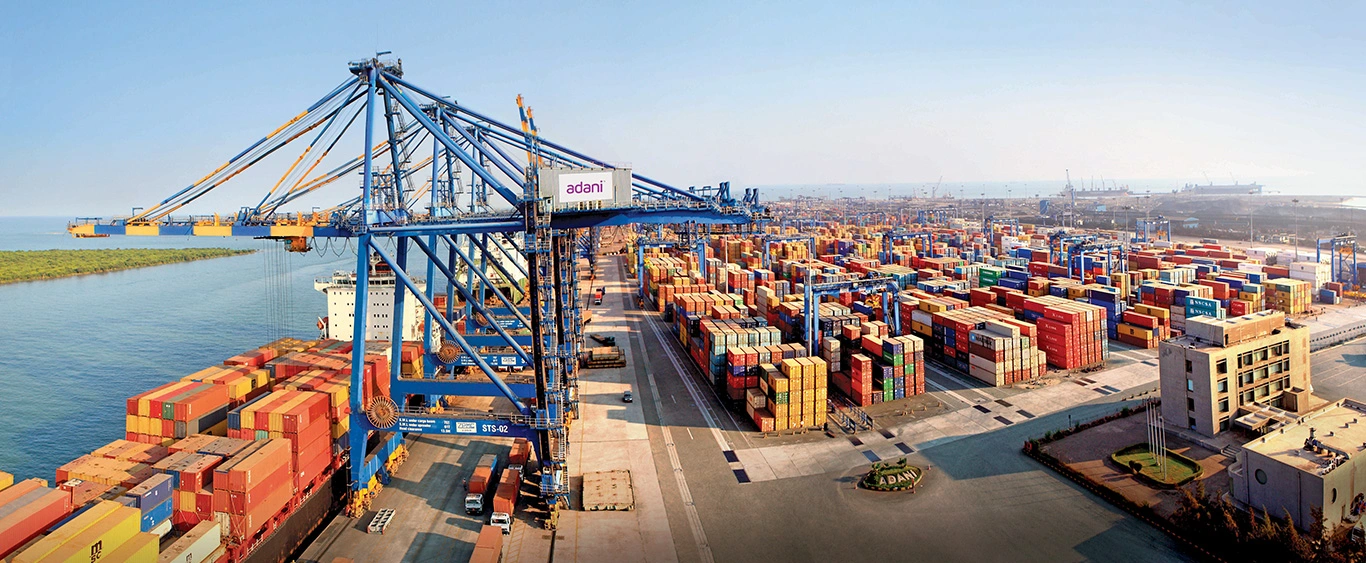
At the center of this global logistics network are giant cargo ships Ultra Large Container Vessels (ULCVs), oil tankers, and LNG carriers. These vessels are engineering marvels, some stretching over 400 meters in length, capable of carrying more than 24,000 containers (TEUs). Such ships regularly dock at India’s key ports like Jawaharlal Nehru Port Trust (JNPT), which handled 6.43 million TEUs in FY 2023–24, or Mundra Port, which surpassed JNPT in overall cargo volume thanks to its deep draft and world-class infrastructure.
Most of these ships are built in massive shipyards in South Korea, China, and Japan, but India is also strengthening its shipbuilding and ship repair capabilities through initiatives like ‘Maritime India Vision 2030’ and Sagarmala. These ships spend weeks or months at sea, traversing global routes like the Suez Canal–Indian Ocean–Strait of Malacca axis, carrying essential goods including electronics, oil, coal, and industrial machinery.
India is also central to the end-of-life phase of these vessels. Alang Ship Breaking Yard in Gujarat is the largest ship recycling yard in the world, where aging giants are dismantled and recycled. In 2023 alone, Alang dismantled over 250 ships, generating thousands of jobs and reclaiming valuable materials.
As India aims to become a global supply chain hub by 2030, understanding the full life cycle of these giant ships how they are built, operated, digitized, regulated, and finally recycled offers a glimpse into the enormous logistical machinery that fuels not just global trade, but India’s growing economic ambitions. This article explores that journey in depth, highlighting India’s stake in the future of global maritime transportation.
1. Birth in the Shipyard: Engineering Marvels
The life of a giant ship begins long before it sails the seas, its origins lie in the world’s largest and most advanced shipyards, primarily located in South Korea, China, and Japan. These shipbuilding powerhouses are responsible for crafting some of the most enormous and sophisticated vessels ever made. Companies such as Hyundai Heavy Industries (HHI), Daewoo Shipbuilding & Marine Engineering (DSME), and China State Shipbuilding Corporation (CSSC) account for over 80% of the global shipbuilding market.
A modern example is the Ever Alot, the world's largest container ship as of 2025, built by CSSC and launched in June 2022. It can carry 24,004 TEUs (Twenty-foot Equivalent Units), a record-breaking capacity. The ship is over 400 meters long, which is longer than four football fields placed end to end. Ships like Ever Alot are not just transportation tools; they are floating cities, complete with crew accommodations, control systems, power plants, and massive storage areas.
Constructing such vessels is a massive industrial feat. On average, a giant ship takes between 18 to 24 months to build and costs between $150 to $200 million (approximately ₹1,200–1,600 crore). The process involves high-precision engineering, thousands of tonnes of high-tensile steel, intricate propulsion systems, and advanced electronics. Each ship requires over 1,000 skilled workers and engineers, and includes over 50,000 parts, from anchor chains and propeller shafts to sophisticated navigation and control systems.
While most giant ships are currently built abroad, India is working to strengthen its domestic shipbuilding industry. The Cochin Shipyard Limited (CSL), India’s largest shipbuilding facility, has already constructed advanced vessels like INS Vikrant, India’s first indigenous aircraft carrier, and is now building autonomous electric barges and high-end commercial vessels for Indian and international clients.
India’s strategic push through the Maritime India Vision 2030 aims to increase the country’s shipbuilding capacity by modernizing existing shipyards and encouraging public-private partnerships. The government has earmarked ₹1,624 crore under the Shipbuilding Financial Assistance Policy to support Indian shipbuilders competing globally.
Technologically, the global shipbuilding sector is now moving towards digital twin technology virtual replicas of ships that simulate onboard systems for predictive maintenance and performance testing. While South Korea and China lead in this domain, Indian startups and research institutions like IIT Madras are exploring similar digital innovations in collaboration with Indian shipyards.
As India aspires to become a global supply chain hub, strengthening its shipbuilding capabilities is essential. Although we are yet to produce ULCVs like Ever Alot, India is laying the foundation to become a serious player in the maritime engineering domain leveraging its skilled workforce, growing coastal economy, and rising domestic demand for seaborne trade.
In the future, Indian-built ships could be among those dominating global sea lanes, symbolizing a true maritime resurgence driven by self-reliance and innovation.
2. Maiden Voyage and Port Operations
Once launched, the vessel undergoes sea trials to ensure seaworthiness. After passing various technical, safety, and regulatory inspections (from bodies like Lloyd’s Register or DNV), it embarks on its maiden voyage.
Port operations play a crucial role in the life of a ship. According to the World Bank’s Container Port Performance Index 2023, ports like Shanghai, Singapore, and Rotterdam consistently rank as the most efficient globally. A typical ULCV like the MSC Gülsün (23,756 TEU) can spend 24–72 hours in port during loading and unloading, assisted by cranes capable of moving over 40 containers per hour.
During this time, the ship also refuels (bunkering), undergoes minor maintenance, and may change crew members. Bunkering ports like Fujairah (UAE), Singapore, and Rotterdam are essential nodes in this process.
3. Life at Sea: Navigation and Operations
Giant ships typically follow scheduled trade routes for example, Asia-Europe, Trans-Pacific, or Trans-Atlantic corridors. A round trip from China to Europe can take 8–10 weeks depending on port congestion and canal transits.
The bridge of a modern ship is equipped with Electronic Chart Display and Information Systems (ECDIS), Automatic Identification Systems (AIS), radar, GPS, and weather-routing software. With a crew of around 20–30 people, operations are largely automated but require constant human oversight.
Fuel consumption is a significant cost. A large container ship can burn 150–250 tons of fuel per day at sea. To reduce costs and emissions, most ships operate under “slow steaming” sailing at reduced speeds (around 16–18 knots) instead of the full 22–25 knots.
Conference

Conference

4. The Digital Backbone: IoT, AI, and Big Data
The digital transformation of shipping is underway. Companies like Maersk and Hapag-Lloyd are integrating IoT sensors to monitor engine performance, cargo temperature, and hull stress. These data streams feed into AI-driven platforms that optimize routing, reduce fuel usage, and predict maintenance needs.
For example, Maersk’s Remote Container Management (RCM) system allows real-time tracking of temperature-sensitive cargo, while MSC uses predictive analytics to manage 700 vessels more efficiently. Digital twins of ships simulate onboard systems to test performance improvements before implementing changes in real time.
Furthermore, platforms like TradeLens (developed by IBM and Maersk) are helping digitize supply chain paperwork, reducing customs delays and improving transparency.
5. The Green Challenge: Emissions and Sustainability
Shipping accounts for approximately 2.9% of global greenhouse gas emissions, per the IMO’s 2023 GHG report. Giant ships are under increasing pressure to decarbonize. From 2023, the IMO’s Energy Efficiency Existing Ship Index (EEXI) and Carbon Intensity Indicator (CII) regulations are mandatory for vessels.
Shipowners are adopting various strategies:
- Alternative fuels: LNG, methanol, ammonia, and biofuels are emerging. In 2023, Maersk launched the first methanol-powered container ship.
- Wind-assisted propulsion: Companies like Airseas are retrofitting vessels with giant kites to harness wind energy.
- Carbon capture: Pilot systems are being tested aboard ships to trap emissions from exhausts.
A key goal is the IMO’s target: net-zero carbons emissions from shipping by 2050.
6. Key Economic Role in Global Trade
A giant ship can carry over 24,000 containers each capable of holding furniture, electronics, apparel, machinery, and more. A single vessel like the Ever Given (which famously blocked the Suez Canal in 2021) transports cargo worth over $1 billion.
In 2024, the global container shipping market was valued at $12.5 billion, according to Allied Market Research. The demand is driven by e-commerce, industrialization, and globalized supply chains.
Maritime chokepoints like the Panama Canal, Suez Canal, and Strait of Malacca are critical for ship routing. In 2023, drought conditions in the Panama Canal led to delays and increased freight rates on many routes, underlining the vulnerability of global logistics.
7. Maritime Risks: Weather, Piracy, and Geopolitics
A giant ship faces several risks:
- Weather hazards: Typhoons, rough seas, and rogue waves can damage vessels and delay schedules. Advanced weather-routing systems and satellite communications help mitigate such risks.
- Piracy: Though reduced since its peak in the early 2010s, piracy remains a threat in the Gulf of Guinea and parts of Southeast Asia.
- Geopolitical tensions: The ongoing Red Sea crisis (2024–25) due to Houthi rebel attacks on shipping has diverted vessels around the Cape of Good Hope, adding 10–14 days to Asia-Europe trips. This has significantly increased operating costs, reduced fleet availability, and triggered higher insurance premiums.
According to Clarksons Research, in Q1 2025, average container shipping rates rose by 38% compared to Q4 2024 due to disruptions in the Red Sea and Panama Canal.
8. End of the Line: Decommissioning and Recycling
A giant ship typically has a life of 20–30 years, after which it is retired, often due to economic inefficiency, regulatory non-compliance, or structural fatigue.
Shipbreaking is a major industry in South Asia particularly in Alang (India), Chattogram (Bangladesh), and Gadani (Pakistan). Alang, for instance, dismantled over 200 ships in 2024. Recycling is labor-intensive but recovers valuable materials like steel, aluminum, copper, and electronics.
However, concerns over worker safety and environmental harm have led to stricter rules. The Hong Kong International Convention for the Safe and Environmentally Sound Recycling of Ships is being adopted more widely, aiming to standardize safety and environmental compliance globally.
9. The Future of Giant Ships
Several trends are shaping the next generation of maritime giants:
- Autonomous ships: Trials of autonomous vessels like the Yara Birkeland (Norway) are paving the way for crewless cargo ships.
- Modular cargo holds: Designs that allow flexible use of space for containers, vehicles, or bulk goods.
- AI-driven fleet management: Real-time decision-making systems powered by AI are reducing human error and enhancing route optimization.
- Hydrogen propulsion: Research into hydrogen-powered engines is intensifying, with EU-funded projects like Flagships taking the lead.
- By 2030, we could witness a new class of digitally enhanced, fuel-flexible, and environmentally compliant vessels that will redefine ocean logistics.
Conclusion
The life of a giant ship in transportation is a story of ambition, scale, and relentless innovation. From being born in sprawling shipyards and navigating the world’s oceans to confronting climate regulations and geopolitical turmoil, these vessels are critical cogs in the machinery of global commerce.
As the world evolves, so too must these maritime giants—adopting cleaner fuels, smarter systems, and sustainable practices. Their journeys reflect not just the movement of cargo, but the pulse of the global economy, the pressures of climate responsibility, and the potential of human ingenuity.
The future of shipping is not only about going farther and faster but also smarter and greener. And in that voyage, giant ships remain at the helm.
Explore the latest edition of Journal of Supply Chain Magazine and be part of the JOSC News Bulletin.
Discover all our upcoming events and secure your tickets today.
Journal of Supply Chain is a Hansi Bakis Media brand.
Leave Comment
Join the community of 150,000+ industry professionals
Subscribe to our Daily Newsletter
Subscribe For FreeBy continuing you agree to our Privacy Policy & Terms & Conditions
Latest






Feature Articles



Related