Article
India’s Ambitious Vision: Revolutionizing the Maritime Sector by 2047 with Rs 80 Lakh Crore Investment
 Anamika Mishra,
Sub Editor
Anamika Mishra,
Sub Editor

India has launched a comprehensive vision to invest a whopping Rs 80 Lakh Crore to transform its maritime sector as the world's top player by 2047. The effort, which is aligned with the nation's vision for its centenary of independence, will strengthen India's maritime infrastructure, logistics, and trade, along with its sustainability aspect, while firmly establishing it as a global leader in the world's maritime industry.
India, which boasts an extensive coastline of over 7,500 kilometres, is well positioned to take on this world leadership position as the largest exporter of services. It aims to transform the sector through port modernization and development, enhancement of shipping capabilities, improvement of coastal connectivity, and embracing cutting-edge technologies for sustainable development, unlocking the full potential of this sector.
Main Pillars of India's Maritime Vision 2047
Port Modernization & Development
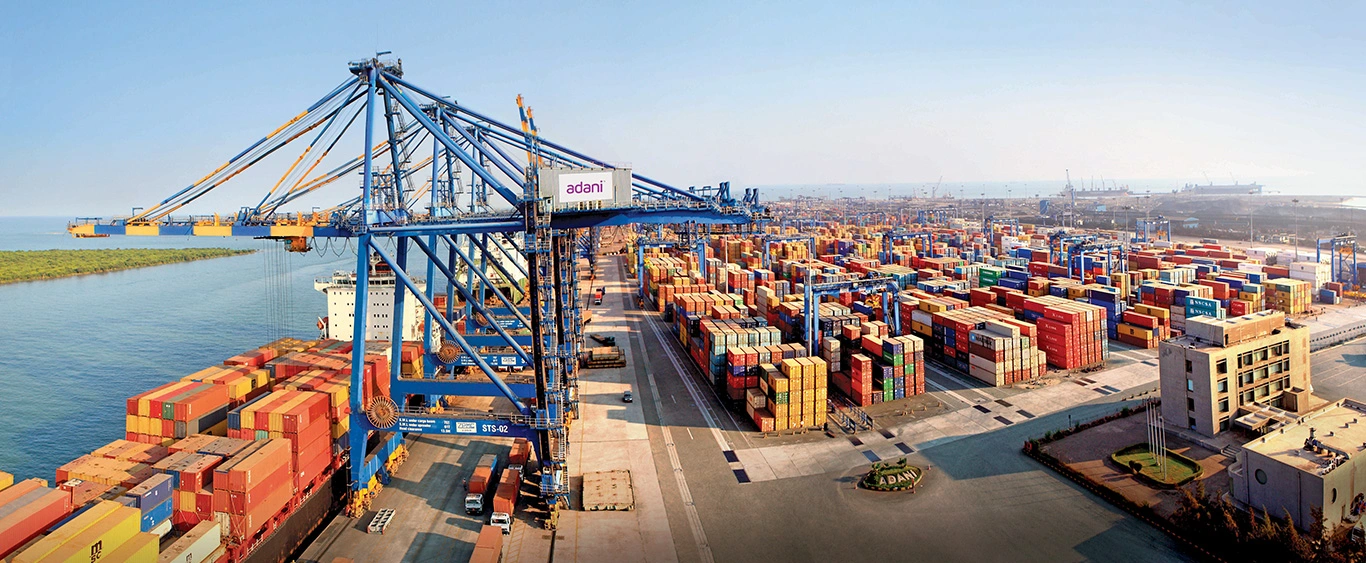
Some of the cornerstones of this vision include the modernization of port infrastructure in India. Indian ports exist, which, among the busiest in the world, have their issues to contend with, like congestion, outdated technology, and inefficiency. The initiative by the government has been aimed at upgrading the major and minor ports to accommodate larger vessels, get faster turnaround times, and improve cargo handling efficiency.
This vision has a key constituent element: that is, the expansion and upgradation of roads and rails for ports with all other measures needed to create seamless connectivity to hinterlands and hence decrease logistics costs to increase trade competitiveness. It includes smart port infrastructure as well, equipped with AI, IoT, and automation, which would ensure constant monitoring of data in real-time and operational efficiency.
Strengthening Shipping Capabilities
India has been one of the major maritime nations for several decades, but its own fleet is still minuscule in comparison to the global giants. India's government is considering planning for a domestic fleet that would handle a major chunk of international trade, particularly in oil, gas, and other bulk commodities.
The initiative also focuses on green shipping technologies that reduce carbon emissions from the maritime industry. India will advocate LNG (liquefied natural gas) propulsion vessels and advance future-ready alternative fuels, such as hydrogen and ammonia-powered ships.
Conference

Conference

Developing Coastal & Inland Waterways
A third area of concentration is on the development of coastal and inland waterways as another mode of transportation. IWT is another low-cost, environmentally sound substitute to road and rail, with a minimal negative impact on the environment. With improvements in navigability and connectivity in rivers and coastal stretches, the government will look to take off congestion on roads and rails while increasing cargo movement.
A National Waterways Grid is proposed, which will connect river systems and consequently facilitate the better transport of goods, mainly bulk commodities such as coal, cement, and fertilizers. The dedicated cargo terminals along the waterways are also a part of the plan to create an integrated sea-to-road-to-rail-to-air multi-modal logistics system.
Technology Leveraged for Efficiency
In an era of constant technological innovation, India is eager to embrace cutting-edge technologies to improve the efficiency, sustainability, and safety of its maritime sector. AI, automation, and blockchain will be exploited so that all port activities can become streamlined and cargo tracked while the scope for human error kept to a minimum.
India's maritime vision also encompasses the use of digital twin technologies to simulate and manage port operations and logistics in real time and deploy autonomous ships in the future to reduce manual dependence and safety at sea.
Sustainability & Green Shipping
The maritime sector was under much scrutiny as the world made a heavy shift to environmental sustainability, considering its Carbon emissions were at the top. India's Maritime Plan has ambitious intentions to reduce the environmental footprint of this sector.
India will focus on greenification of port operations, the use of renewable energy sources like solar and wind power at the ports, and the taking on of environmentally friendly fuels for shipping. India also aims to invest in marine conservation: protecting coastal ecosystems, sustainable fishing practices, and many more.
Skilling & Workforce Development
With no transformation possible without sufficient skilled manpower, India is aware that the implementation of its maritime vision will require a substantial investment in human capital. The government is skill-manpowering the next generation of maritime professionals in areas that include handling newer technologies, monitoring safety standards, and managing the growing needs of the industry.
Maritime schools, universities, and vocational training centres will be developed throughout the country, offering specialized courses in shipbuilding, marine engineering, logistics, and port management. Public-private partnerships will be encouraged for innovation and job opportunities in the sector.
Economic Impact & Global Opportunities
The envisaged investment of Rs 80 Lakh Crore will have far-reaching effects on the economy of India. Maritime is one of the most crucial sectors that enable global trade, and by improving its capabilities, India is sure to unlock new economic opportunities within and outside its borders. With efficient ports and shipping systems, India will be able to reduce the logistics cost while increasing the ease of doing business and trade volumes.
India's burgeoning maritime capability can also increase the potential for exports, FDI inflow and enhance India's role at the global level of maritime governance. The multifaceted growth of India in international shipping and logistics markets is likely to lead to millions of additional jobs in port operations, shipbuilding, logistics management, and coastal tourism.
A Bold Step in India's Maritime Future
This is India's ambitious vision to transform its maritime sector by the year 2047: embracing innovation, sustainability, and economic growth with an eye on global competitiveness. It looks towards catapulting India's maritime industry into the future as one of the principal global hubs for shipping, trade, and logistics in the world. And it is not only the Rs 80 Lakh Crore investment in modernizing the infrastructure but also underpinning a resilient, green, technology-intensive marine ecosystem, totally equipped to face the challenges of 21st century. As the country steams ahead toward its centenary of independence, India's maritime sector is set to play a pivotal role in forming the nation's growth story and making it truly a force to reckon with on the global maritime map.
Source: PIB
Explore the latest edition of Journal of Supply Chain Magazine and be part of the JOSC News Bulletin.
Discover all our upcoming events and secure your tickets today.
Journal of Supply Chain is a Hansi Bakis Media brand.
Leave Comment
Join the community of 150,000+ industry professionals
Subscribe to our Daily Newsletter
Subscribe For FreeBy continuing you agree to our Privacy Policy & Terms & Conditions
Latest




Feature Articles


Related