Article
Highways to 2047: India’s Long-Term Infrastructure Roadmap
 Anamika Mishra,
Sub Editor
Anamika Mishra,
Sub Editor
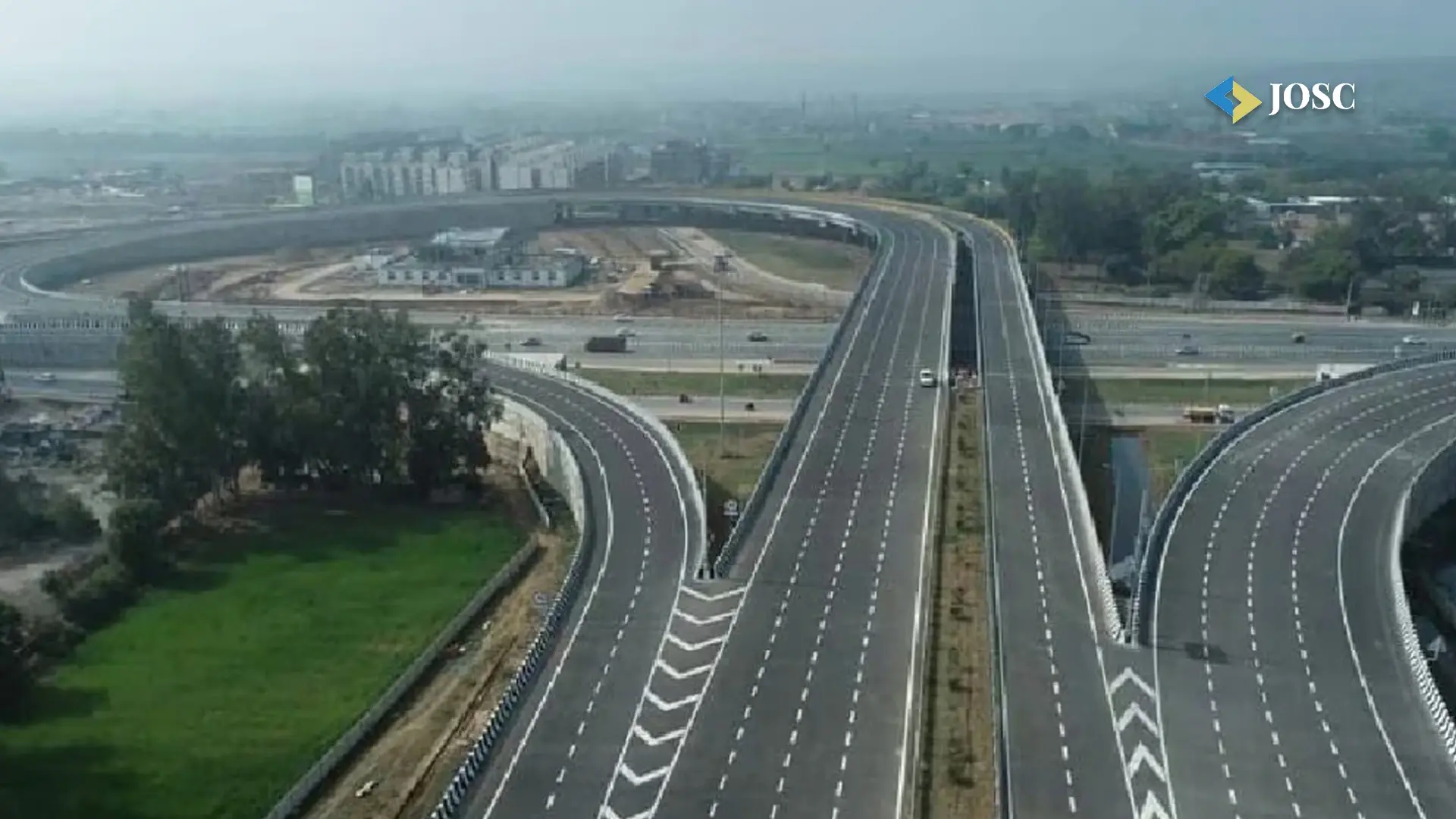
India is gearing up for a transformative infrastructure journey guided by ambitious plan to modernize and expand its road network. Central to this vision is Vision 2047, a comprehensive, data-driven master plan aimed at creating a seamless and high-performance highways ecosystem that supports the nation’s economic aspirations.
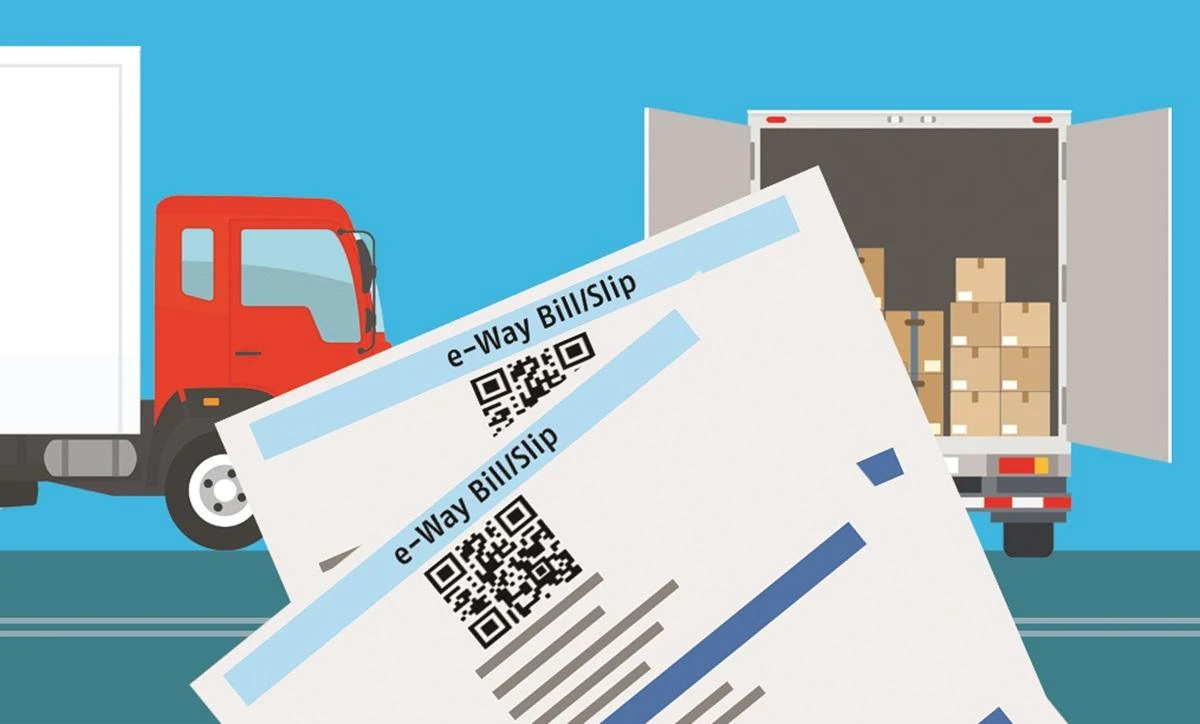
MoRTH (Ministry of Road Transport & Highways) is steering this mission using sophisticated tools big data, GIS mapping, e-way bill trends, freight flows and GDP projections to chart the ideal high-speed corridors needed. This analytical approach ensures equitable infrastructure access, alleviates congestion and adapts dynamically over decades.
Progress So Far: Building Momentum
Over the past decade, India’s highway infrastructure has surged forward:
- National Highways have expanded from about 91,300 km in 2014 to approx. 146,145 km as of 2023-24 a 60% growth.
- The pace of construction has jumped from around 12 km per day in 2014-15 to nearly 28-29 km per day by 2023.
- In FY2023-24, India awarded nearly 12,349 km of new National Highways part of an overall target to award 13,800 km in FY24.
Simultaneously, financial commitment towards infrastructure has surged spending increased from Rs. 0.31 lakh crore in 2013-14 to over Rs. 2.59 lakh crore in 2023. Budget allocation for the ministry in FY 2024-25 crossed Rs. 2.7 lakh crore and investment between 2024-2030 is projected to be Rs. 143 lakh crores double the Rs. 67 lakh crores spent from 2017-2024.
Conference

Conference

The Road Ahead: Vision 2047 Targets
Under Vision 2047, India aims to:
· Expand to 237,000 km to national highways by 2047, up from around 146,145 km today.
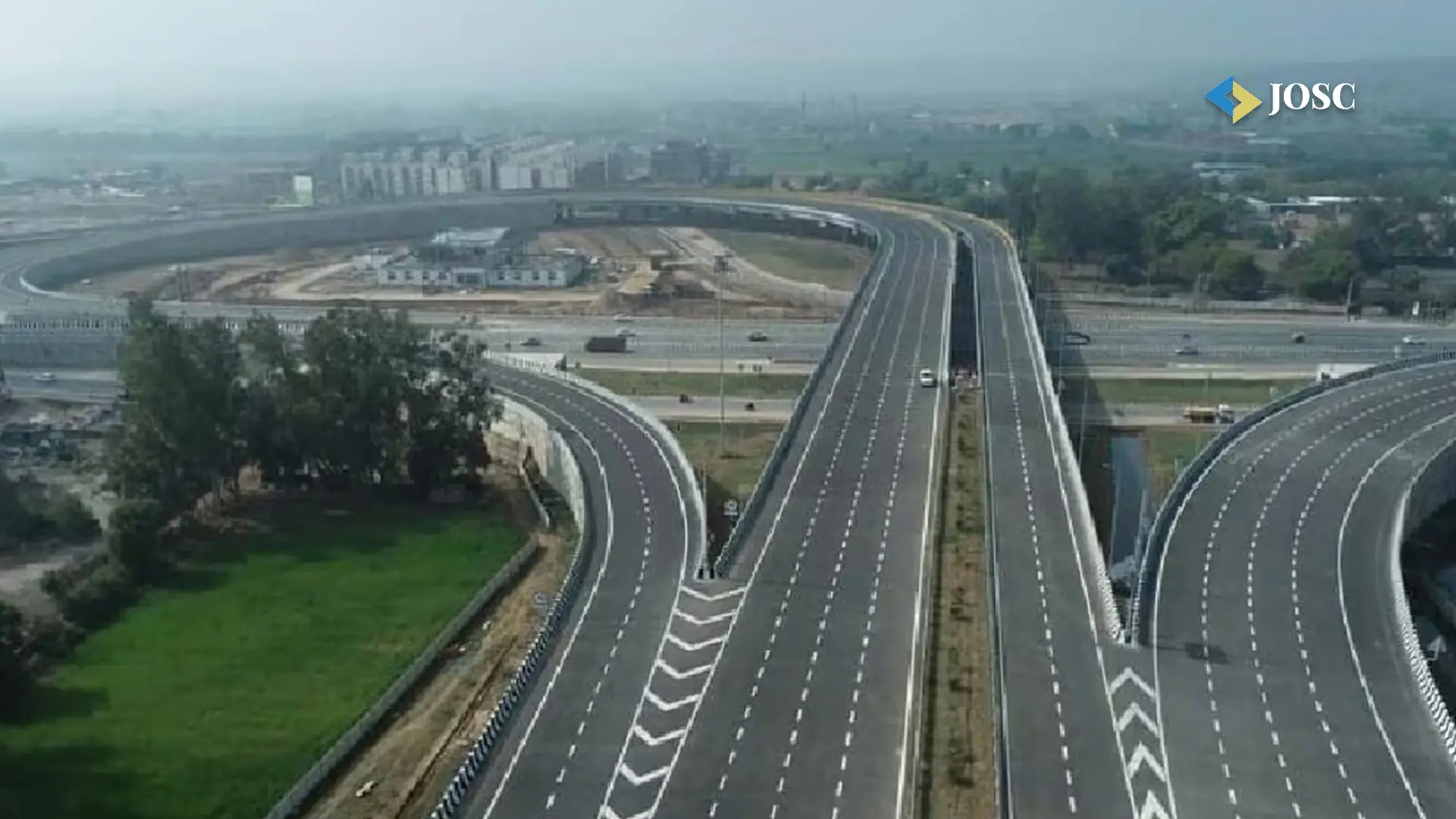
· Develop an access-controlled expressway network of 50,000 km by 2036-37 rising to 200,00-230,000 km by 2047.
· Establish 73 multimodal logistics parks by 2047, six have already been awarded.
· Incorporate free flow tolling technologies to reduce toll wait times from 47 seconds to zero.
Key Flagship Projects
Several corridor defining expressways are already underway:
|
Project |
Length |
Benefit |
|
Amritsar–Jamnagar Expressway |
1,257 km |
Cuts travel time from 26 to 13 hours; connects oil refineries, seaports, power plants across Punjab–Gujarat |
|
Varanasi–Kolkata Expressway |
710 km |
Reduces travel from 14–15 hours to 10–11; operational by 2027 |
|
Bengaluru–Chennai Expressway |
(Section) |
Karnataka segment operational from Dec 2024; full stretch expected by Aug 2025; cuts travel time to 2–3 hours |
|
Gorakhpur–Siliguri Expressway |
519 km |
Shrinks travel time from 14–15 hours to 8–9; improves connectivity to Northeast |
|
Raipur–Visakhapatnam Expressway |
464 km |
Halves travel time to 6–7 hours; integrates central India with eastern ports |
|
Surat–Chennai Expressway |
1,271 km |
Slashes travel from 35 to 16 hours; estimated cost ₹45,000 crore; ready by 2026 |
Push for Vision 2047- Recent Developments
In august 2024, the Indian government took a significant leap forward in advancing its infrastructure goals by approving eight new highway projects spanning a total length of 935 kilometers. These new corridors which stretch across diverse states including Uttar Pradesh, Assam, Gujarat, West Bengal and Jharkhand come with a substantial investment commitment of Rs. 50,655 crores. This ambitious funding allocation underlines the government’s dedication to enhancing regional connectivity boosting trade corridors and improving access to remote and economically significant areas.
Meanwhile, Kerala has introduced progressive measures to accelerate the development of high-speed road corridors aligned with the Vision 2047 roadmap. The state government approved exemptions on State Goods and Services Tax and royalty fees specifically on earth and aggregate materials essential components in road construction. These waivers aim to fast-track the construction of 1,795 kilometers of highways, resulting in estimated saving of Rs. 7,684.8 crore. This policy moves out only incentivizes rapid project execution but also highlights Kerala’s proactive approach towards infrastructure modernization, balancing economic efficiency with sustainable resource use.
In central India, Chhattisgarh has made strides through its “Anjor Vision 2047” initiative, securing a dedicated Rs. 7000 crores budget focused on road network upgrades. A notable component of this plan is the construction of a 95-kilometer six lane highway corridor designed to enhance mobility and support the region’s industrial growth. This targeted investment reflects the growing importance of infrastructure as a catalyst for economic development in emerging states aiming to connect agricultural zones, mining areas and urban centres more effectively.
At the national level, the government is accelerating efforts to clear infrastructure bottlenecks by fast-tracking 923 pending road projects with an estimated total cost of Rs. 7.7 lakh crore. The aim is to complete at least half of these projects by March 2026, which will significantly reduce delays and improve the overall highway network’s efficiency. This push demonstrates the administration’s commitment to timely project delivery, improved logistics and enhanced freight movement across the country.
Despite a visible emphasis on railways in the Budget 2025, road infrastructure continues to receive steady support, with an expected budgetary increase of 3-4%. Additionally, the government is exploring innovative financing mechanisms, including monetization of existing road assets and private tolling models. These strategies are designed to ensure sustainable funding flows, enhance maintenance quality, and foster private sector participation in highway development, thereby strengthening India’s transport infrastructure as a whole.
Innovations and Sustainability
India’s highway expansion goes far beyond traditional road-building, it is a deliberate push toward smart and sustainable infrastructure that aligns with the country’s climate goals and economic needs. One of the key pillars of this green transformation is the adoption of eco-friendly construction practices. For instance, the use of fly ash, a byproduct of thermal power plants, and waste plastic-modified bitumen in road surfacing has gained traction across projects nationwide. These innovative materials not only improve road durability but also significantly reduce construction costs saving the government thousands of crores of rupees over time while minimizing the carbon footprint associated with conventional asphalt production. Additionally, geosynthetics, which are synthetic materials used to stabilize soil and reinforce pavements, contribute to longer-lasting roads that require less frequent repairs and replacements, further curbing environmental damage.
Beyond materials, India is pioneering the development of smart roads equipped with cutting-edge technology designed to improve road safety, reduce maintenance costs, and enhance user experience. Several pilot projects are underway that test the use of self-healing asphalt embedded with steel fibers. This innovative material can repair cracks automatically when exposed to heat or sunlight, drastically extending the road’s lifespan. Alongside this, solar-powered corridors are being planned and built, integrating solar panels along highways to generate clean energy that can power streetlights, toll plazas, and even nearby villages, contributing to India’s renewable energy targets. Water management is another crucial aspect, with highways incorporating rainwater harvesting systems to capture and reuse rainwater, mitigating flooding risks during monsoons. Complementing these green initiatives is a large-scale effort to transform highway corridors into ecological havens by planting 1,000 saplings per kilometer, which not only improves air quality but also helps combat soil erosion and enhance biodiversity.
Looking ahead, the Indian government has set an ambitious target of achieving 100% electric vehicle (EV) sales by 2047, a goal that directly influences highway infrastructure planning. Highways are being designed to support sustainable transport by including provisions for fast-charging EV stations at regular intervals and ensuring seamless connectivity to urban and rural charging networks. This holistic approach aims to create a transportation ecosystem that supports low-emission vehicles, reduces dependency on fossil fuels, and contributes to India’s broader climate action commitments.
Together, these initiatives signal that India’s highway expansion is not just about increasing road length but building a future-ready, eco-conscious network that aligns with the nation’s vision of sustainable development and economic growth.
Challenges on the Path
Despite robust planning and investment, India’s highway sector faces hurdles:
- Execution delays: Some Kerala projects have stalled amid bureaucratic and environmental concerns.
- Quality concerns: Infrastructure failures during monsoons like collapsing bridges and airport canopies raise alarms over safety and construction quality.
- Funding and focus shifts: While long-term road projects command vision, recent budget priorities indicate stronger push toward railways as well as logistical integration.
The Road to 2047
India’s highway roadmap to 2047 is not merely an infrastructure initiative, it’s a civilizational transformation. With the ambitious target of becoming a developed nation by its 100th year of independence, the government’s highway plans are central to unlocking economic potential, connecting regions, and shaping a future-ready India.
What makes the Vision 2047 roadmap extraordinary is its foundation in data-driven planning, technological integration, and sustainable practices. Tools like big data analytics, GIS mapping, AI-enabled traffic flow predictions and satellite-based tolling systems (GNSS) are being actively deployed to ensure infrastructure isn’t just built but built smart. For instance, the Ministry of Road Transport and Highways (MoRTH) now uses freight movement data, GDP projections, and e-way bill trends to identify where roads are most needed replacing legacy, manual decision-making with evidence-backed development.
India currently boasts the second-largest road network in the world over 6.3 million km but the share of access-controlled expressways is still relatively small. Vision 2047 aims to change that by developing 200,000+ km of high-speed corridors, capable of supporting electric trucks, green logistics, and seamless movement across states. Projects like the Delhi-Mumbai Expressway, Bharatmala, and Gati Shakti corridors are not just highways, they’re economic arteries linking industrial clusters, ports, logistics parks, and remote districts.
Moreover, India is addressing a core bottleneck: logistics efficiency. According to the World Bank, India's logistics cost stands at around 13-14% of GDP, compared to 8% in developed economies. The government aims to bring this down to 8% by 2030 by improving highway connectivity, enabling multi-modal integration, and streamlining tolling and freight movement. This will directly impact exports, reduce product costs, and enhance supply chain reliability.
Environmental and social sustainability also find a strong place in the 2047 roadmap. New highways are increasingly built with waste materials like fly ash and recycled plastic, helping reduce carbon footprints and construction costs. Additionally, MoRTH has mandated tree plantation drives, aiming for 1,000 trees per kilometre on both sides of national highways turning road networks into green corridors. Solar panels, rainwater harvesting, and bio-toilets are also being integrated into rest stops and toll plazas.
Yet, despite this progress, challenges remain. Land acquisition delays, contractor defaults, and climate-linked damage (like monsoon floods and heatwaves) continue to threaten deadlines. Several high-profile infrastructure failures in recent years, including bridge collapses and poor-quality work, have raised concerns over safety and oversight. To address this, the government is enhancing monitoring with drone inspections, 3D modelling, and stricter quality audit norms.
In essence, if India can sustain this pace of reform and innovation while actively correcting its weak spots, it stands poised to create a high-speed, future-proof, and inclusive highway network. Such a network would not only connect cities and states but also reduce regional disparity, boost rural development, empower micro-enterprises, and support the country’s green transition.
India’s highways in 2047 will not just be roads, they will be lifelines of a new economy, propelling the dream of a Viksit Bharat into reality.
Explore the latest edition of Journal of Supply Chain Magazine and be part of the JOSC News Bulletin.
Discover all our upcoming events and secure your tickets today.
Journal of Supply Chain is a Hansi Bakis Media brand.
Leave Comment
Join the community of 150,000+ industry professionals
Subscribe to our Daily Newsletter
Subscribe For FreeBy continuing you agree to our Privacy Policy & Terms & Conditions
Latest





Feature Articles

Related