Article
India: Accelerating as a Geopolitical Power on the U.S. Business Radar
 Anamika Mishra,
Sub Editor
Anamika Mishra,
Sub Editor
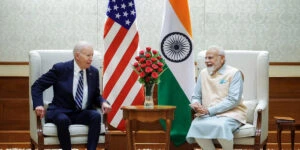
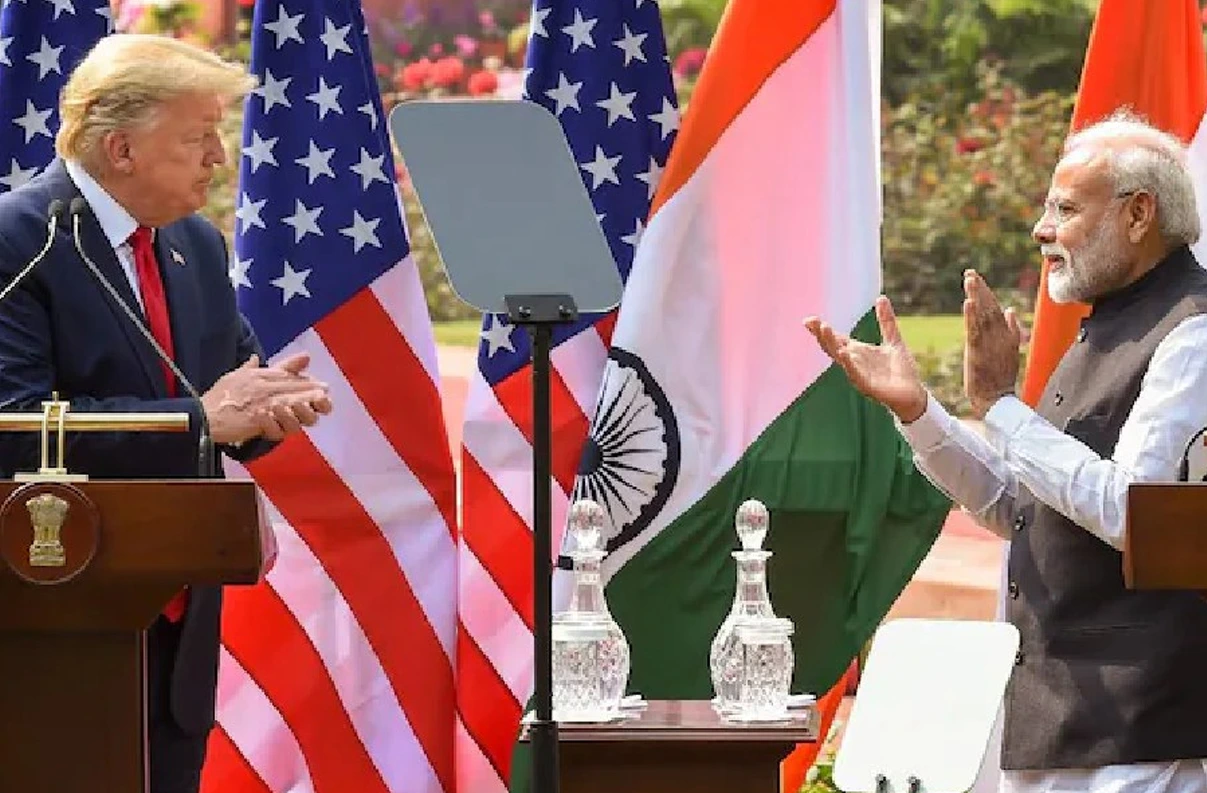
India's emergence as a significant geopolitical player has become increasingly evident, particularly in the context of its growing relationship with the United States. This partnership is not merely a diplomatic formality; it is rooted in mutual economic interests, strategic military cooperation, and a shared vision for a multipolar world. As the global landscape shifts, India is positioning itself as a counterbalance to China's influence, making it an attractive partner for U.S. businesses and policymakers alike.
The Geopolitical Context
Historical Background
India's relationship with the United States has evolved significantly since the end of the Cold War. Initially characterized by mutual suspicion and ideological differences, the partnership began to strengthen in the late 1990s and early 2000s. The U.S.-India Civil Nuclear Agreement of 2008 marked a pivotal moment, allowing for greater collaboration in civilian nuclear energy and defense sectors. Over the years, both nations have recognized their shared democratic values and strategic interests, leading to deeper ties.
The Rise of China
China's rapid economic growth and assertive foreign policy have prompted the U.S. to seek reliable partners in Asia. India's strategic location and its status as the world's largest democracy make it an ideal candidate for this role. The U.S. views India as a counterweight to China's influence in the Indo-Pacific region, particularly through initiatives like the Quadrilateral Security Dialogue (Quad), which includes Australia and Japan.
Economic Opportunities
Trade Relations
The economic relationship between India and the U.S. has flourished in recent years. Bilateral trade reached approximately $128.55 billion in 2022-23, marking a 7.65% increase from the previous year. This growth reflects not only increased trade in goods but also burgeoning investments in technology and manufacturing sectors.
Key Sectors:
⦁ Information Technology: India has become a hub for IT services, attracting significant investment from U.S. tech companies.
⦁ Manufacturing: The Indian government’s push for "Make in India" has created opportunities for American companies to establish manufacturing bases in India, thereby reducing reliance on China.
Investment Climate
The U.S.-India Strategic Partnership Forum (USISPF) plays a crucial role in facilitating investments by American companies in India. With over 1.5 million Indians entering the job market annually, there is a pressing need for job creation, which U.S. investments can help address.
Key Initiatives
⦁ The establishment of global capability centers in India is enabling American firms to leverage India's skilled workforce while enhancing their operational efficiencies.
⦁ High-profile summits between business leaders from both countries are fostering dialogue on trade, defense, technology, and energy.
Conference

Conference

Strategic Military Cooperation
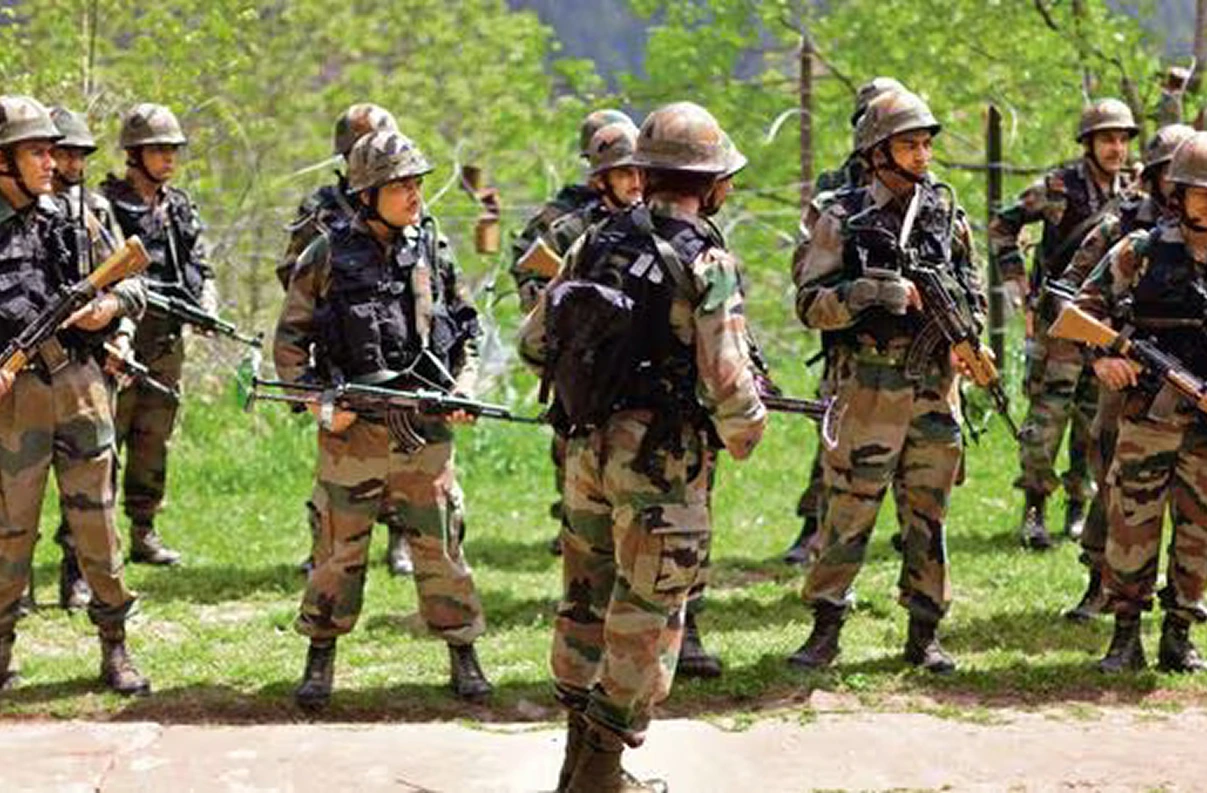
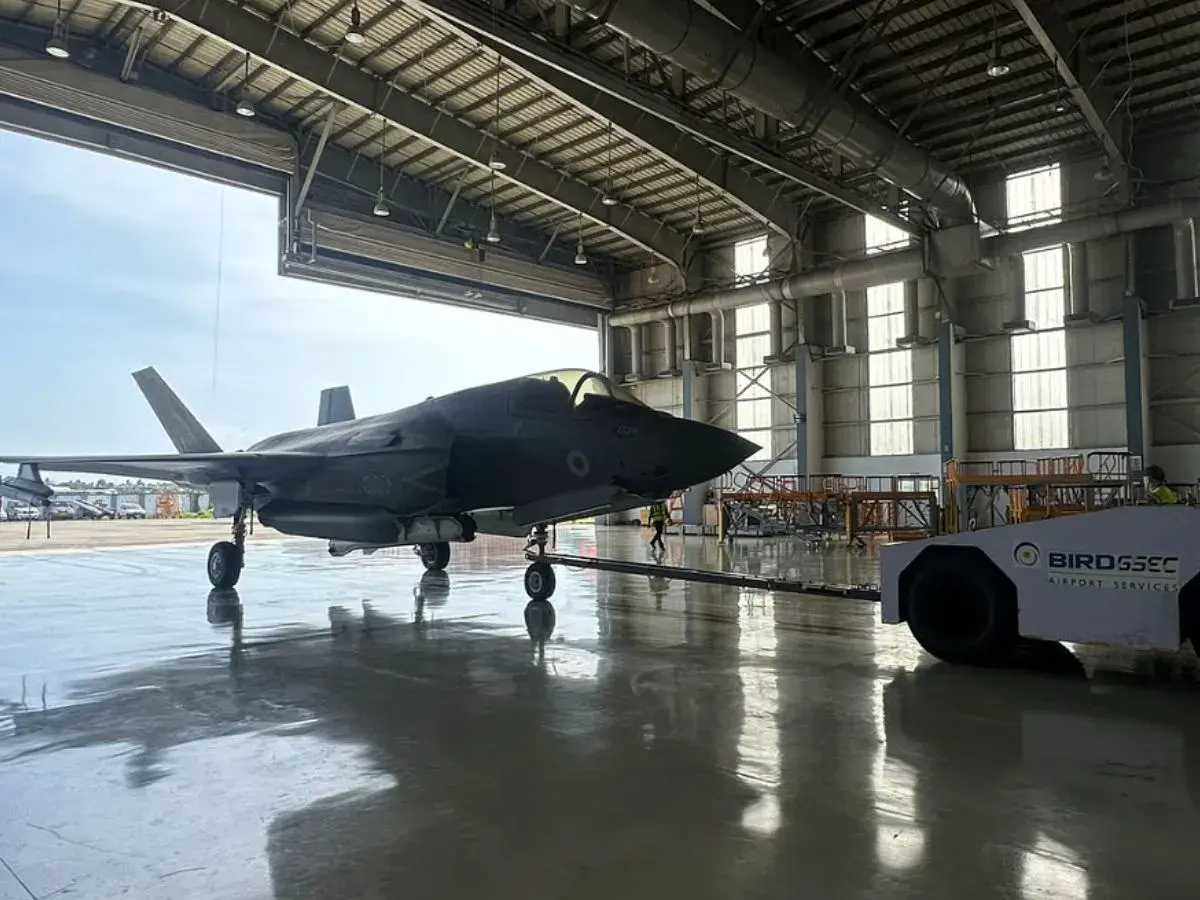
Military cooperation between India and the U.S. has intensified significantly over the past two decades. The U.S. has become one of India's top military suppliers, providing advanced technology and equipment that were previously restricted.
Recent Developments:
Major defense agreements have been signed, including the General Security of Military Information Agreement (GSOMIA) and various joint military exercises like Yuddha Abyas and Malabar.
The U.S. aims to assist India in reducing its historical dependence on Russian arms supplies while enhancing India's defense capabilities against potential threats from China.
Regional Security Frameworks
India's strategic partnerships extend beyond bilateral relations with the U.S., encompassing multilateral frameworks that enhance regional security:
The Quad: Focuses on ensuring a free and open Indo-Pacific.
I2U2: A newer grouping involving India, Israel, UAE, and the U.S., aimed at fostering economic collaboration.
Geopolitical Initiatives
Infrastructure Projects
India is actively involved in several key infrastructure projects that align with U.S. interests:
India-Middle East-Europe Economic Corridor (IMEC): This initiative aims to enhance connectivity between these regions while providing alternatives to existing trade routes dominated by China.
Strategic Ports: India's engagement with Somaliland to access strategic ports like Berbera underscores its ambitions to become a critical player in global trade routes.
Soft Power Diplomacy
India's soft power initiatives are also gaining traction as it seeks to enhance its influence across Asia and Africa:
⦁ India's commitment to providing developmental assistance positions it as an alternative partner to countries seeking support outside of Chinese influence.
⦁ Through cultural exchanges and educational programs, India is strengthening its ties with various nations while promoting its values of democracy and pluralism.
Challenges Ahead
Despite these advancements, several challenges remain that could impact India's trajectory as a geopolitical power:
Balancing Act with Russia
India's historical ties with Russia complicate its relationship with the U.S., especially regarding defense procurement. While there is pressure on India to reduce its reliance on Russian arms, New Delhi must navigate this transition carefully without alienating Moscow completely.
Domestic Economic Pressures
As India seeks to attract foreign investment, it must also address domestic economic challenges such as unemployment and infrastructure deficits. Ensuring that foreign investments translate into job creation will be critical for sustaining public support for closer ties with the U.S.
Regional Tensions
India's relationships with neighboring countries remain fraught with tension, particularly concerning Pakistan and China. Any escalation of conflicts could divert attention away from economic reforms and international partnerships.
India's ascent as a geopolitical power is undeniably reshaping its relationship with the United States. As both countries navigate complex global dynamics characterized by competition with China and evolving regional security challenges, their partnership offers significant opportunities for economic growth and strategic collaboration.
With ongoing initiatives aimed at deepening trade ties, enhancing military cooperation, and fostering regional stability through infrastructure projects, India stands poised to play a pivotal role on the global stage. As this partnership matures, it will be essential for both nations to address existing challenges while capitalizing on their shared interests—ultimately contributing to a more balanced multipolar world order.
Explore the latest edition of Journal of Supply Chain Magazine and be part of the JOSC News Bulletin.
Discover all our upcoming events and secure your tickets today.
Journal of Supply Chain is a Hansi Bakis Media brand.
Leave Comment
Join the community of 150,000+ industry professionals
Subscribe to our Daily Newsletter
Subscribe For FreeBy continuing you agree to our Privacy Policy & Terms & Conditions
Latest





Feature Articles



Related