News

West Asia Conflict Threatens India's Pharma Supply Chain as API Costs Surge

March 12, 2026 5 min read
author Anamika Mishra, Sub Editor
New Delhi : India's pharmaceutical industry is beginning to feel the pressure from the escalating West Asia conflict, with disruptions in the import of active pharmaceutical ingredients (API) threatening to push up prices of key starting materials (KSM) across the sector.

Industry veterans are raising alarm bells, warning that prolonged conflict could spell serious trouble for the country's drug manufacturing ecosystem. Vinod Kalani, who advises the Confederation of Indian Pharmaceutical Industry (CIPI), expressed his concerns in a conversation with ETV Bharat on Wednesday. "The war's impact on India's pharma sector has already begun to manifest," Kalani noted. "Should hostilities stretch beyond 10 to 15 days, we're looking at a significant crisis."

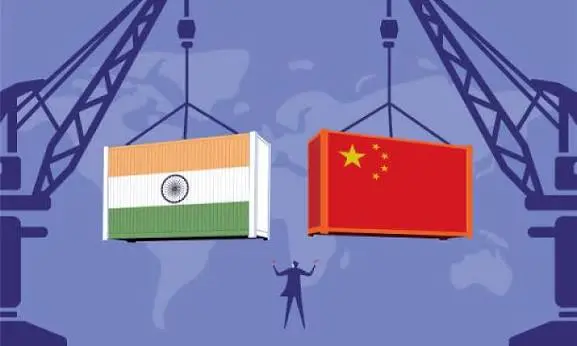
The numbers paint a stark picture of India's pharmaceutical dependencies. Data released by the Ministry of Chemicals and Fertilisers reveals that during the 2024-25 period, India brought in 200 different categories of APIs, bulk drugs, and drug intermediates valued at roughly US$ 4.35 billion. These imports originated from more than ten nations worldwide. The most striking aspect of this trade flow is China's overwhelming dominance, accounting for nearly three-quarters—73.7 per cent to be precise—of all these imports.

The ministry has identified several critical vulnerabilities in this import-heavy model. These include dependence on single-source suppliers, unpredictable price swings, and the risk of predatory pricing tactics. "These single-source dependencies pose a direct threat to our self-sufficiency and pharmaceutical security," the ministry stated, recalling similar challenges faced during the COVID-19 pandemic.

Several Critical Treatment Areas Face High Import Dependency

The therapeutic segments most vulnerable to import disruptions span a wide range of essential treatments. These include antibiotics, anti-fungal medications, drugs for antiamoebic infections, antidiabetic treatments, medications for gastrointestinal disorders, treatments for endocrinal and hormonal imbalances, cardiovascular drugs, oncology therapeutics, female infertility treatments, contraceptive products, neurology medications including those for substance use disorders, and supplements for essential amino acid deficiencies.

Therapeutic segments represent distinct disease categories that pharmaceutical companies target with their drug development efforts, with particular emphasis on high-volume areas such as oncology, cardiology, immunology, and neurology.

Breaking down the import sources further, data compiled by the Directorate General of Commercial Intelligence and Statistics (DGCIS) for 2024-25 shows China leading with 73.71 per cent share of API imports. The European Union follows at a distant second with 13.64 per cent. Singapore contributes 2.49 per cent, while the United States accounts for 1.96 per cent. Japan supplies 1.82 per cent, Switzerland provides 1.03 per cent, Mexico contributes 0.80 per cent, and the United Kingdom adds 0.76 per cent. Hong Kong and Malaysia each supply approximately 0.53 per cent and 0.51 per cent respectively, with various other nations making up the remaining 2.75 per cent.

The West Asia Conflict Creates Ripple Effects Across Supply Chains


Experts tracking the pharmaceutical sector believe the intensifying tensions between Iran and the US-Israel alliance are now directly impacting India's drug manufacturing supply chain through escalating costs of essential raw materials.

Vinod Kalani from CIPI pointed to tangible evidence of this impact. "We're witnessing price increases for key starting materials, active pharmaceutical ingredients, and API intermediates," he explained. Several factors are converging to drive these cost increases, according to Kalani's assessment. Currency exchange rate volatility, petroleum-linked cost escalations, and fresh disruptions to global shipping networks over recent weeks are all playing their part.

The financial stakes are considerable. According to projections from the Pharmaceuticals Export Promotion Council of India, if export disruptions continue throughout March, the country's pharmaceutical sector could face losses ranging between Rs 2,500 crore and Rs 5,000 crore.

India holds a commanding position in global pharmaceutical supply, particularly for vaccines. Data indicates that between 65 and 70 per cent of vaccines on the World Health Organization's essential immunisation schedule originate from Indian manufacturers. "Ten of the world's top 25 generic drug producers are based in India, and the United States—representing over 31 per cent of our global exports—stands as our primary market," representatives from the Pharmaceuticals Export Promotion Council of India emphasized.

Logistical bottlenecks are adding another layer of complexity. Kalani reported that shipping containers loaded with pharmaceutical products are stuck at various points along their routes, creating significant operational headaches. "The conflict has already begun affecting exports of pharmaceutical products manufactured in India," he observed.

Consumers May Eventually Face Price Increases

For now, Indian consumers aren't feeling the immediate pinch of these supply chain disruptions. "There's no direct impact on consumers at this moment because maximum retail prices are fixed," Kalani clarified. "However, manufacturers are already absorbing higher costs on their end."

The situation could change if supply shortages develop. Consumers would begin experiencing the crisis only if essential medicines become scarce in the marketplace, according to Kalani's analysis. "When a critical medicine becomes both unavailable and prohibitively expensive, that's when consumers will feel the direct consequences," he said. "We haven't reached that point yet, but we're maintaining vigilant oversight of how things unfold."

The industry body is preparing for various scenarios. Kalani revealed that CIPI might petition the National Pharmaceutical Pricing Authority (NPPA) for permission to raise medicine prices should conditions deteriorate further. "We're keeping a close eye on developments," he said. "If circumstances warrant it, we'll engage with the appropriate regulatory authorities about price adjustments."

The NPPA operates as an autonomous regulatory body responsible for drug pricing oversight and ensuring medicines remain available and accessible at reasonable costs. It was established through a Government of India Resolution and functions as an attached office under the Department of Pharmaceuticals (DoP) within the Ministry of Chemicals & Fertilizers. The authority's primary mandate includes setting and adjusting drug prices in accordance with the Drugs Prices Control Order (DPCO), overseeing compliance and drug availability across the market, and providing expert guidance on pharmaceutical policy matters.


Explore the latest edition of Journal of Supply Chain Magazine and be part of the JOSC News Bulletin.

Discover all our upcoming events and secure your tickets today.


Journal of Supply Chain is a Hansi Bakis Media brand.

Leave Comment

logo

Subscribe to Our Newsletter

The week’s best stories, handpicked by JOSC editors in your inbox every week.

Stay informed with exclusive content