Telangana is in the process of finalising an integrated Logistics Master Plan that will assess existing capabilities while outlining a long-term roadmap, alongside a new Logistics Policy 2.0 to steer sustained multimodal infrastructure development.
Together, the initiatives are expected to support the State’s ambition of emerging as a leading inland cargo and logistics hub. Central to the proposed Logistics Policy is a six-pillar framework covering infrastructure and multimodal integration; digital and smart logistics; regulatory simplification; sustainability and green logistics; skill development, including initiatives to encourage women’s participation in logistics; and investment promotion and innovation. The emphasis will be on reducing logistics costs while creating a resilient and inclusive supply-chain ecosystem, sources familiar with the policy initiative being shaped by the State government said.
On the Logistics Master Plan, the sources said Telangana aims to position itself as one of India’s top logistics destinations by 2047, driven by high-value manufacturing, stronger MSME competitiveness, agri-value chains and next-generation e-commerce. The plan will chart current and projected freight flows, industrial clusters, consumption centres and export corridors, while enabling demand-led and future-ready infrastructure development.
Phased development
A comprehensive framework emerging from the mapping exercise will guide the phased development of logistics parks, warehousing zones and air-cargo facilities, integrated seamlessly with road, rail and air networks. Leveraging Hyderabad’s strong technology ecosystem, the government plans to prioritise automation and the adoption of green logistics practices. Logistics is seen as critical to achieving the State’s goal of becoming a $3 trillion economy and forms a core element of Chief Minister A. Revanth Reddy’s Telangana Rising 2047 vision.
Only land-locked State
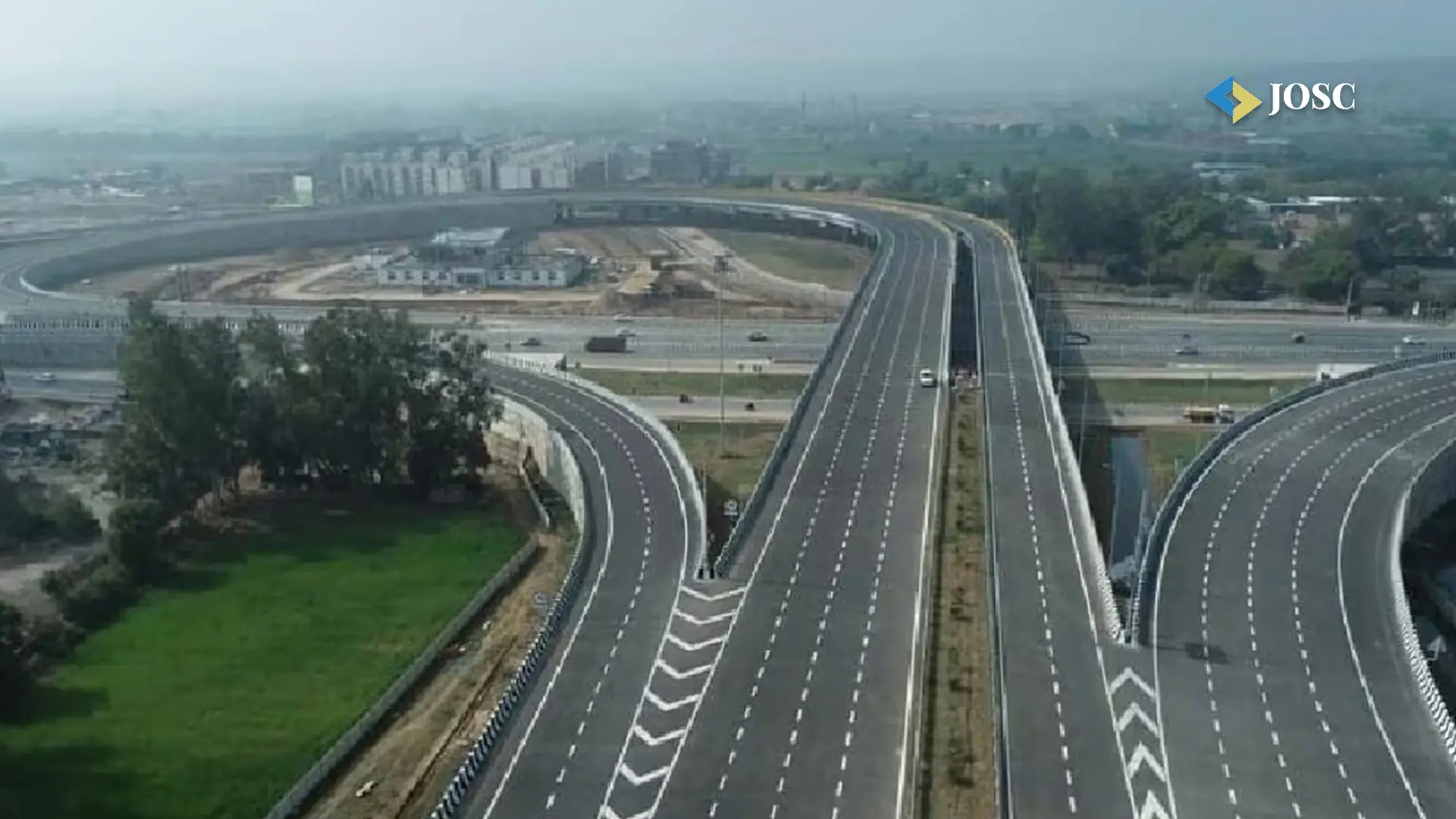
As the only land-locked State in southern India, Telangana is seeking to turn its central location into a strategic advantage by positioning itself as an inland logistics and distribution hub. The State has already announced plans to develop a dry port near the Regional Ring Road, along with a 297-km greenfield expressway and a rail link connecting the facility to Bandar Port in Machilipatnam, Andhra Pradesh.
The Peri-Urban Region Economy (PURE) zone, located between the existing Outer Ring Road and the upcoming RRR, has been identified for growth corridors spanning manufacturing, MSME clusters and logistics, linking rural and urban economies. In addition to the proposed dry port, the State government intends to build on existing infrastructure such as logistics parks at Mangalapally and Batasingaram on the outskirts of Hyderabad. Plans are underway to develop 10–12 additional logistics parks, along with dry ports and bonded warehousing zones. The upcoming Mega Multimodal Logistics Park at Manoharabad will integrate road and rail freight operations.
The State government also aims to integrate air cargo with road and rail networks, alongside the redevelopment of Warangal Airport and expansion of regional air connectivity.
Rajiv Gandhi International Airport (RGIA), Hyderabad, is already among India’s leading air-cargo hubs, handling pharmaceuticals, life sciences, perishables, electronics and other high-value cargo.
Explore the latest edition of Journal of Supply Chain Magazine and be part of the JOSC News Bulletin.
Discover all our upcoming events and secure your tickets today.
Journal of Supply Chain is a Hansi Bakis Media brand.
Subscribe to our Daily Newsletter
Subscribe For FreeBy continuing you agree to our Privacy Policy & Terms & Conditions