News

Mpox Outbreak Threatens India-Africa Trade Relations

August 20, 2024 3 min read
author Anamika Mishra, Sub Editor

The resurgence of Mpox, particularly across Africa, has raised new concerns among Indian exporters, who consider the continent a vital market for their goods. Although the outbreak is currently localized to specific regions, the potential for it to spread more widely poses a significant threat to India-Africa trade relations. Additionally, the recent emergence of Mpox cases in neighboring Pakistan and India's subsequent directive for heightened vigilance at its borders highlight the growing seriousness of the situation.

Ajay Sahai, Director General of the Federation of Indian Export Organizations (FIEO), commented on the situation, stating, "While the situation is not yet alarming, exporters are closely monitoring the developments. A wider outbreak could pose significant challenges to trade."

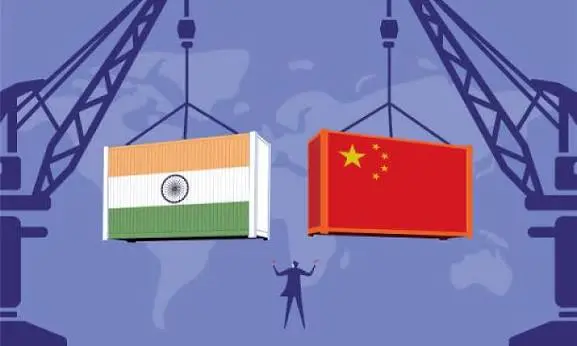
India's trade with Africa saw substantial growth, reaching approximately USD 100 billion in 2022-23, with exports alone valued at USD 51 billion. Crude oil and pharmaceuticals make up nearly 40% of India's exports to the continent. Conversely, Africa mainly exports raw materials like crude oil, minerals, and agricultural products to India.

Both regions have set an ambitious goal to double bilateral trade to USD 200 billion by 2030. However, the Mpox outbreak could disrupt this trajectory if it escalates. Unlike the COVID-19 pandemic, which led to stringent travel bans, the current Mpox situation has not yet necessitated such measures. Nevertheless, Ajay Srivastava, founder of the Globe Trade Research Initiative (GTRI), stresses the importance of vigilance.

"While the direct impact on global trade has been relatively limited thus far, India must remain alert to the evolving situation," Srivastava noted. "Preventive measures are crucial to safeguard both public health and economic interests."


India's strong trade relations with Africa, coupled with the continent's strategic importance, require a proactive approach to mitigate potential disruptions. By drawing lessons from the COVID-19 pandemic and implementing effective contingency plans, India can aim to minimize the impact of Mpox on its trade with Africa.

Learning from COVID-19: Mitigating Potential Impact

Organizations can leverage the lessons from the COVID-19 pandemic to prepare for a potential Mpox outbreak:

Robust Business Continuity Plans: Companies should ensure operations can continue amidst disruptions through remote work capabilities, alternate supply chains, and crisis management protocols.

Supply Chain Diversification: Reducing dependency on single suppliers or regions can mitigate risks.

Enhanced Risk Management: Organizations should regularly assess potential risks and develop strategies to manage them, including scenario planning and crisis simulations.


Digital Transformation: Investing in digital technologies can improve supply chain visibility, enable remote work, and facilitate contactless operations.


Employee Health and Safety: Prioritizing employee well-being through vaccination, testing, and appropriate safety measures is crucial.


Strong Communication: Maintaining open and transparent communication with stakeholders, including employees, customers, and suppliers, is essential for building trust and managing expectations.

Government Collaboration: Working closely with government agencies to understand and comply with regulations is vital.


Financial Resilience: Building financial reserves and exploring insurance options can help protect the business during challenging times.


As the situation continues to evolve, proactive measures can help organizations minimize the potential impact of Mpox on their operations and contribute to a global response to this health crisis.


Explore the latest edition of Journal of Supply Chain Magazine and be part of the JOSC News Bulletin.

Discover all our upcoming events and secure your tickets today.


Journal of Supply Chain is a Hansi Bakis Media brand.

Leave Comment

logo

Subscribe to Our Newsletter

The week’s best stories, handpicked by JOSC editors in your inbox every week.

Stay informed with exclusive content