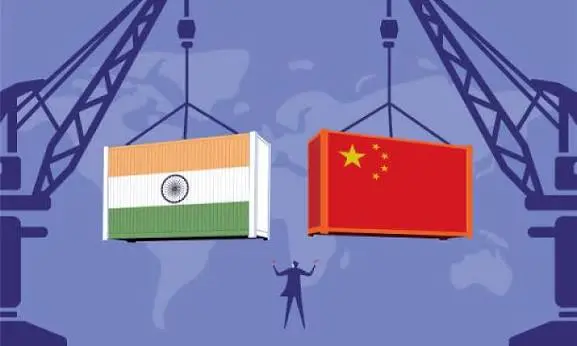
In recent years, geopolitical tensions and evolving economic policies have prompted a global reevaluation of trade relationships, particularly concerning China. Countries aligned with Western economies are reassessing their dependence on China for manufacturing, raw materials, and technology. Now, Mexico—a key ally of the United States and a significant player in global trade—has joined the anti-China trade movement, marking a critical turning point in the reconfiguration of global supply chains.
The trade landscape has undergone rapid changes influenced by factors such as the US-China trade war, the COVID-19 pandemic, and growing concerns over supply chain vulnerabilities. For decades, China has been the world’s manufacturing hub, supplying goods worldwide. However, escalating tensions with the US and other nations have spurred a movement towards diversifying supply chains away from China.
The US-China trade war, which began in 2018, highlighted the risks associated with heavy reliance on China for essential goods, particularly in sectors like electronics, textiles, and medical supplies. The disruptions caused by the COVID-19 pandemic only intensified these concerns, as factory shutdowns in China and international logistics challenges severely impacted global supply chains. As a result, many countries, including Mexico, are exploring ways to reduce their reliance on Chinese imports and forge trade relationships that align with their strategic interests.
Why Mexico is Shifting Away from China
Several factors are driving Mexico’s decision to reduce its trade dependence on China and align itself with the anti-China stance of many Western nations:
US Pressure and Geopolitical Alignment: As a close ally and neighbor of the United States, Mexico is significantly influenced by US trade policies. Washington has explicitly aimed to lessen dependence on China, particularly in critical sectors like technology and pharmaceuticals. By aligning its trade policies with the US, Mexico strengthens its relationship with its largest trading partner and positions itself as an attractive alternative for US companies seeking to relocate production from China.
Economic Opportunities Through Nearshoring: Mexico's geographic proximity to the US makes it an ideal location for companies looking to "nearshore" their operations. This strategy offers advantages like shorter supply chains, reduced transportation costs, and faster delivery times. With one of the busiest trade corridors in the world, Mexico’s ongoing efforts to modernize border infrastructure enhance its appeal as a nearshoring destination. In recent years, there has been a surge in foreign direct investment (FDI) across various sectors, including automotive and electronics, as companies move production closer to the North American market.
Supply Chain Resilience: The COVID-19 pandemic exposed the vulnerabilities of global supply chains, particularly those heavily reliant on China. This crisis underscored the risks of concentrating production in one region. Mexico's established manufacturing base and strong trade agreements with the US and Canada provide a more resilient alternative for companies looking to mitigate these risks.
Strengthening Domestic Industries: Reducing dependence on Chinese imports allows Mexico to focus on bolstering its domestic industries. The Mexican government is actively promoting policies to enhance local manufacturing, especially in high-tech sectors like electronics and renewable energy. By doing so, Mexico aims to build a more robust industrial base while reducing foreign dependence. Incentives such as tax breaks and streamlined regulations are also being offered to attract foreign investment.
Potential Challenges
While Mexico’s shift away from China presents significant opportunities, challenges remain. Analysts note that China continues to be a critical player in global supply chains, particularly in electronics and manufacturing, making complete decoupling difficult. Furthermore, Mexico must address internal issues, such as improving infrastructure, reducing crime, and enhancing labor rights, to fully capitalize on the nearshoring trend.
Mexico’s alignment with the anti-China trade push reflects a broader trend toward supply chain diversification and regionalization. As companies and nations seek to lessen their reliance on Chinese manufacturing, Mexico is well-positioned to reap the benefits. Its strategic location, established trade agreements, and growing industrial capabilities make it an attractive destination for nearshoring.
As the anti-China trade movement gains momentum, policymakers, businesses, and investors will closely monitor Mexico's evolving role in global trade. The country’s ability to adapt to these changes and seize opportunities in supply chain diversification will shape its future position in the global economic landscape.
Explore the latest edition of Journal of Supply Chain Magazine and be part of the JOSC News Bulletin.
Discover all our upcoming events and secure your tickets today.
Journal of Supply Chain is a Hansi Bakis Media brand.
Subscribe to our Daily Newsletter
Subscribe For FreeBy continuing you agree to our Privacy Policy & Terms & Conditions