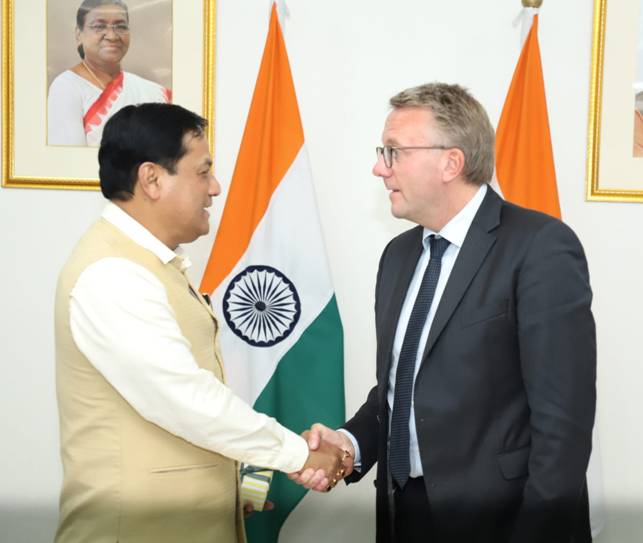
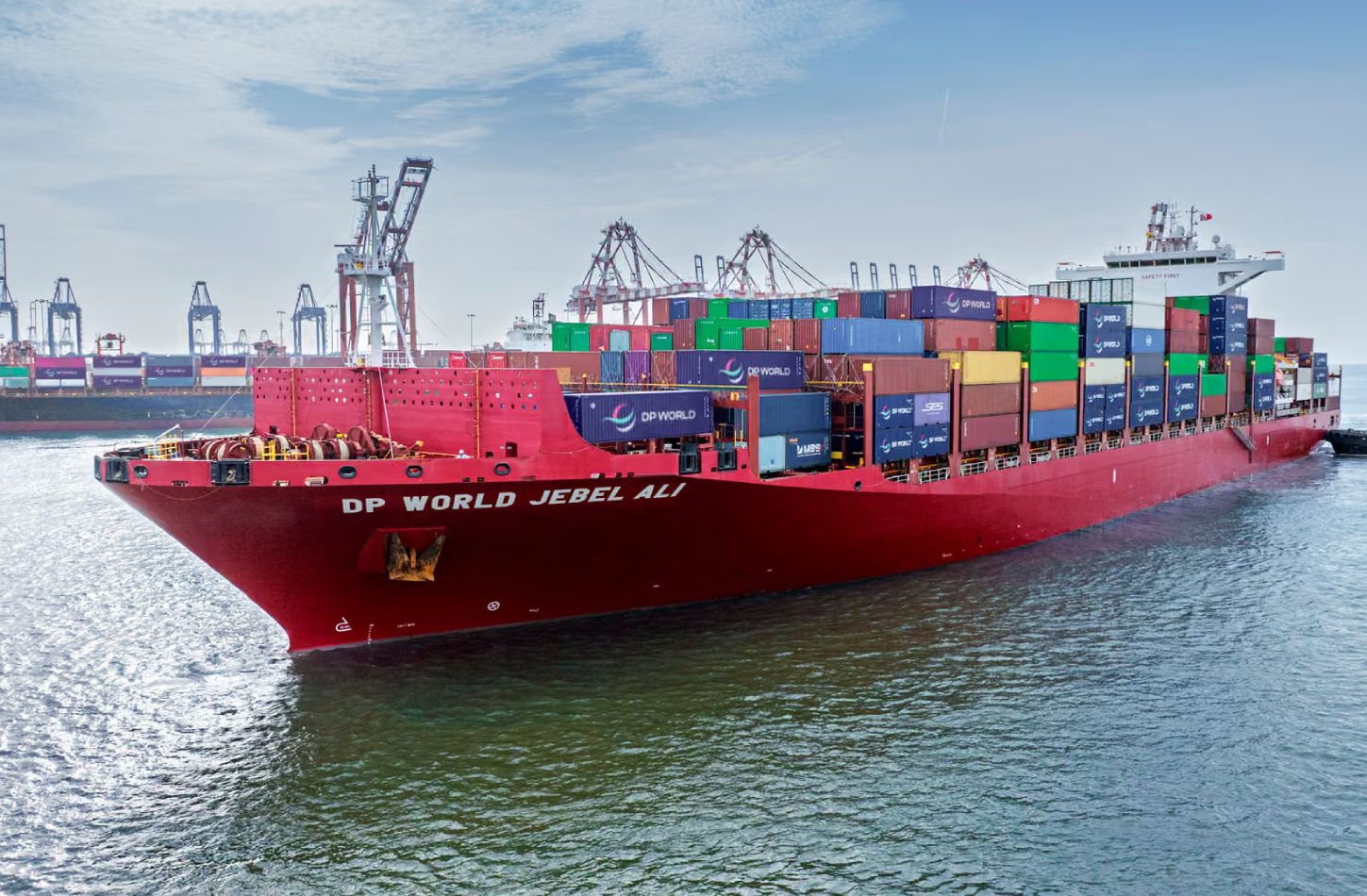
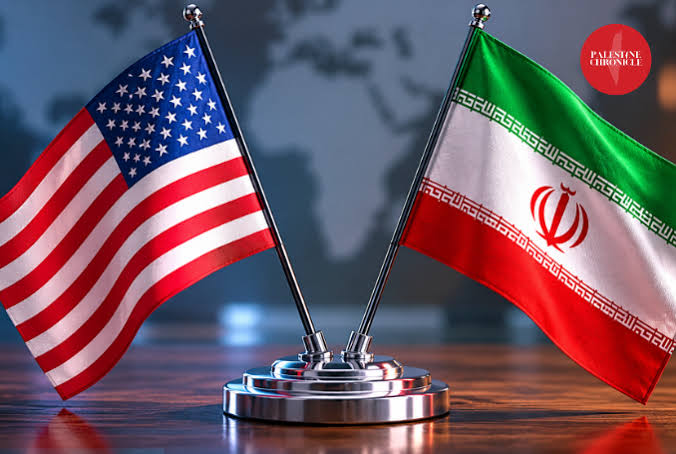
New Delhi, May 17: Prime Minister Narendra Modi's visit to the United Arab Emirates arrives at a pivotal moment for West Asia. With US-Iran tensions escalating, the Strait of Hormuz under persistent security pressure, and geopolitical alignments across the Gulf in flux, India's decision to deepen its engagement with the UAE carries both strategic urgency and long-term consequences. What began as centuries-old maritime trade across the Arabian Sea has evolved into one of the world's most dynamic modern partnerships rooted in mutual trust, economic complementarity, and a shared commitment to regional stability. Today, the India-UAE relationship spans energy security, defence cooperation, technology, logistics, infrastructure, and investment, and this visit elevated it further through a Strategic Defence Partnership, agreements on crude oil reserves and LPG supplies, a ship repair cluster collaboration, and a commitment of up to five billion dollars in UAE investment into India. For India, whose energy appetite will shape global demand for decades, the UAE is far more than a supplier it is a trusted, long-term strategic partner. For the UAE, India represents a vast, stable market and a central pillar in its own economic diversification strategy. Together, they are demonstrating that stability and prosperity can be built through sovereign decision-making and economic interdependence rather than external intervention. A Partnership Built on Trust and Shared Vision Since Modi's landmark Abu Dhabi visit in 2015, bilateral ties have moved well beyond the transactional. The Comprehensive Strategic Partnership and the Comprehensive Economic Partnership Agreement (CEPA) have institutionalised cooperation across trade, investment, defence, and technology. The UAE ranks among India's largest trading partners and most significant sources of foreign direct investment, with sovereign wealth funds
The only supply chain registration you need
Unrivaled context behind every news and article for free.
 Our Correspondent,