News
India may lift tariffs on imports', FM Sitharaman talks about safeguarding Indian companies
 Anamika Mishra,
Sub Editor
Anamika Mishra,
Sub Editor
Anamika Mishra,
Sub Editor
Anamika Mishra,
Sub Editor
Union Finance Minister Nirmala Sitharaman recently indicated that India may consider reducing certain import tariffs, but only in a way that does not harm local businesses. Her comments came in response to criticism from US President-elect Donald Trump, who lambasted India for its high tariff rates.
Speaking at an event in New Delhi, Sitharaman stressed the importance of balancing trade liberalization with protecting India's domestic industries. She noted that every tariff is implemented for a specific reason, and any changes would need to safeguard India's manufacturing sector. "We can consider reducing tariffs, but only if it does not undermine our manufacturing capability," she explained, emphasizing the need to find a balance between promoting domestic industries and facilitating international trade.
Sitharaman's remarks align with those made by Commerce and Industry Minister Piyush Goyal, who, during a Business Today session in Mumbai, suggested that India might be open to reducing tariffs on products like Harley-Davidson motorcycles, where there is no significant domestic competition. "We don't manufacture heavy bikes like Harley-Davidson, so we wouldn't have an issue with revisiting tariffs on such products," Goyal said, emphasizing India's willingness to enhance trade relations with the US where mutually beneficial.
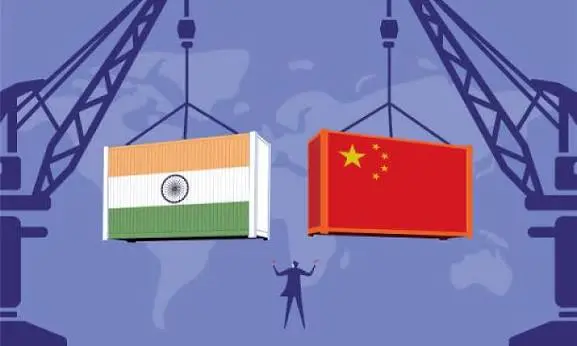
Goyal also downplayed concerns about global tariff hikes, particularly those targeting China. He noted that such increases could benefit India, as the country stands to gain from trade diversions. "India is seen as a trusted partner by the democratic world, and we're confident we will continue to perform well regardless of global tariff trends," he added.
The Trump administration has been vocal about its dissatisfaction with India’s high tariffs, particularly on products like motorcycles, which it has labeled as a significant barrier to trade. Despite this, Goyal's comments indicate that India is not entirely opposed to tariff reductions, especially for products that do not face strong domestic competition.
India's trade relationship with the US has grown rapidly, with bilateral trade reaching $119.7 billion in the most recent fiscal year—a 33% increase over the past five years. Despite a widening trade deficit, the US continues to import a significant amount of goods from India, underscoring the country’s competitive edge in various sectors. This expanding trade footprint positions India to benefit from shifts in global supply chains and evolving trade policies.
Explore the latest edition of Journal of Supply Chain Magazine and be part of the JOSC News Bulletin.
Discover all our upcoming events and secure your tickets today.
Journal of Supply Chain is a Hansi Bakis Media brand.
Subscribe to our Daily Newsletter
Subscribe For FreeBy continuing you agree to our Privacy Policy & Terms & Conditions